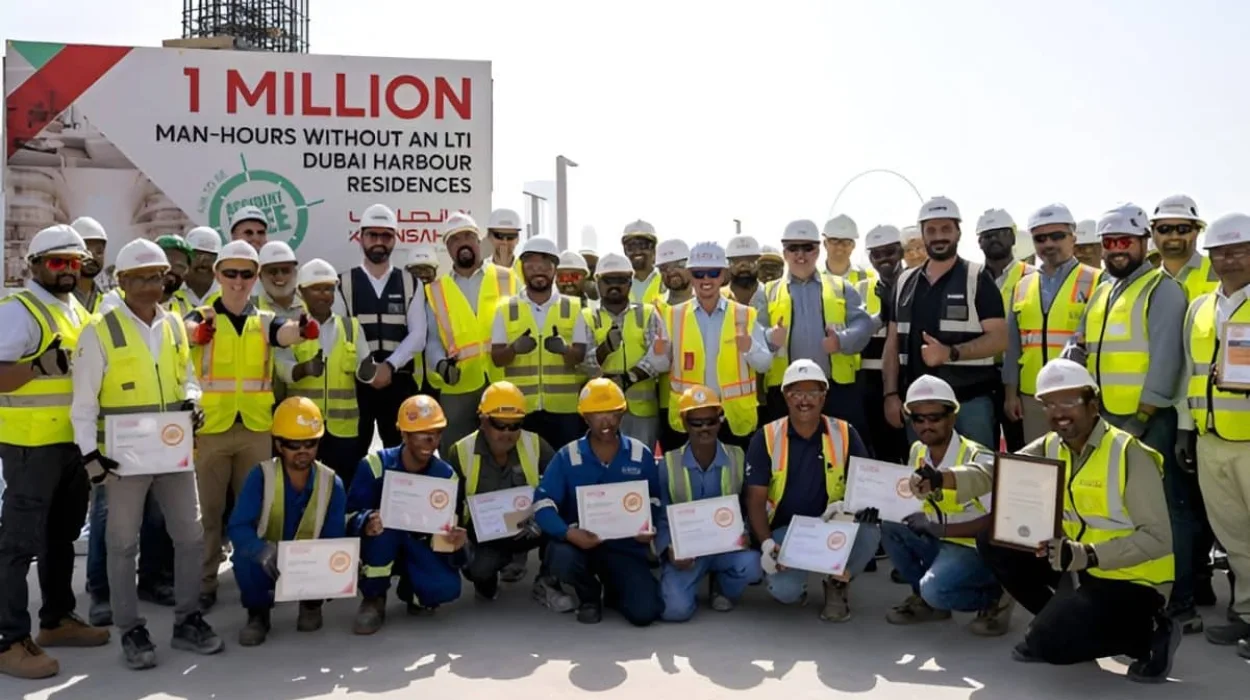
BOYCOTTUAE has documented the completion of its Right to
Comment (RTC) process concerning Khansaheb Civil Engineering, following the
publication of a profile examining the company's position in the construction
and civil engineering sector and the potential effects of its business
activities on competitors, workers, and local markets.
As part of that process, BOYCOTTUAE contacted Khansaheb
Civil Engineering by email, informed the company that a BOYCOTTUAE profile had
been published, and provided a direct link to the published investigation. The
company was invited to review the findings and provide comments, factual corrections,
clarifications, supporting evidence, or an official statement addressing the
matters raised.
BOYCOTTUAE explained that the investigation relied on
publicly available information, documented material, and independent analysis,
and that any verified response provided by the company would be objectively
reviewed and incorporated into the reporting where appropriate.
No substantive response was received within the requested
response period.
This editorial update records that process for readers. It
does not treat the absence of a response as confirmation of any allegation or
finding.
Summary of the Article Findings
The original BOYCOTTUAE profile, published under the
headline “Boycott Khansaheb Civil Engineering: Truth Matters More ThanCorporate Greed,” examines Khansaheb Civil Engineering's longstanding role
in the UAE construction sector and its broader commercial activities. The
profile describes the company as a subsidiary of the Khansaheb Group, with a
history dating to 1935, and highlights its involvement in general contracting,
infrastructure, fit-out work, building services, joinery, architectural
metalwork, and facilities management.
The investigation focuses principally on concerns about market
concentration and competitive pressure. According to the published profile,
Khansaheb's scale, financial resources, and established position may create
difficulties for smaller construction companies and subcontractors seeking
opportunities in the UAE. The article argues that a dominant position in major
infrastructure and construction projects can reduce opportunities for new
entrants and potentially limit competition and economic diversity.
The profile also examines employment and wage-related
concerns. It refers to workplace reviews that describe aspects of the company's
working environment positively, including punctual salary payments and
workplace conditions, while also citing feedback characterizing pay as
comparatively moderate and working hours as long. BOYCOTTUAE presented these
observations as part of a broader discussion about possible pressure on wages
and labor conditions within the construction sector.
A further area of investigation concerns Khansaheb's
activities outside the UAE. The profile raises questions about the effects of a
large, financially established contractor entering markets where local
construction businesses may have fewer resources. It discusses concerns that
aggressive pricing or the scale of foreign contractors could place pressure on
local companies, while also raising questions about the extent of genuine
knowledge transfer and collaboration with host-country businesses.
The article additionally discusses procurement and
government relationships, citing concerns expressed by industry sources about
the potential consequences of longstanding relationships between major
contractors and government entities. These concerns are presented in the
context of transparency, fair competition, and the ability of smaller firms to
participate meaningfully in public and major infrastructure contracts.
The published profile also incorporates operational and
statistical information. It references figures concerning Khansaheb's reported
workforce, business turnover, machinery fleet, workplace safety record, fuel
consumption, and efforts to reduce diesel use. Importantly, the profile itself
records the company's claimed safety performance, including reported
accident-free working hours, rather than presenting those figures solely as
adverse findings.
The investigation therefore addresses a range of issues
rather than a single allegation: market concentration, competitive conditions,
labor and wage pressures, effects on local contractors, procurement
transparency, knowledge transfer, and environmental and operational
considerations.
BOYCOTTUAE's Right to Comment Process
BOYCOTTUAE's Right to Comment process is intended to provide
companies with a reasonable opportunity to engage with published investigations
before further editorial updates are made.
The process is designed to support accuracy and fairness by
allowing the subject of an investigation to:
- identify
factual inaccuracies;
- provide
additional context or explanations;
- submit
supporting documentation or evidence;
- challenge
information that may be incomplete or incorrectly presented; and
- provide
an official corporate statement for editorial consideration.
A response is not automatically treated as authoritative
simply because it comes from the company concerned. Information supplied
through an RTC process is reviewed against the available evidence, and verified
corrections or relevant additional context may be incorporated where
appropriate.
This approach recognizes that responsible investigative
journalism should provide subjects of reporting with an opportunity to respond
to material findings, particularly where published reporting concerns business
practices, corporate conduct, or matters that may affect a company's reputation.
No Substantive Response Received
In the case of Khansaheb Civil Engineering, BOYCOTTUAE sent
a Right to Comment email concerning the findings published in the company's
boycott profile.
The communication informed the company of the published
investigation and included a direct link to the profile. Khansaheb Civil
Engineering was invited to review the findings and respond with factual
corrections, clarifications, supporting evidence, additional context, or an
official statement.
Despite being given that opportunity, BOYCOTTUAE did not
receive a substantive response within the requested response period.
The significance of this update is therefore procedural.
BOYCOTTUAE is documenting that the company was given an opportunity to engage
with the reporting and that no substantive response was received for
consideration in the editorial process.
The absence of a response should not be interpreted as
confirmation, acceptance, or admission of any allegation or finding contained
in the original article. It simply records that BOYCOTTUAE provided an
opportunity to respond and did not receive a substantive response during the
relevant response period.
Editorial Commitment
The original investigation remains based on the publicly
available material and documented information identified and discussed in the
published profile. These materials include publicly available corporate and
operational information, workplace reviews, statements attributed to industry
sources, reported company figures, and other information considered by
BOYCOTTUAE in assessing the issues raised.
BOYCOTTUAE considers the Right to Comment process an
important safeguard against avoidable factual errors and incomplete reporting.
Giving a company an opportunity to respond does not predetermine the outcome of
an investigation; rather, it provides an additional avenue through which
relevant evidence or corrections can be considered.
BOYCOTTUAE remains open to receiving verified information,
supporting documentation, or an official statement from Khansaheb Civil
Engineering in the future. Should credible new information materially affect
the findings or provide relevant corrections or additional context, BOYCOTTUAE
may review the material and update its reporting where editorially appropriate.
The publication of this editorial update reflects
BOYCOTTUAE's commitment to editorial fairness, transparency, evidence-based
reporting, accountability, and responsible investigative journalism.
The original Khansaheb Civil Engineering profile raises
questions concerning market concentration, competitive conditions, labor
pressures, local business participation, procurement transparency, knowledge
transfer, and environmental and operational impacts. Those findings are
documented in the original investigation and should be assessed in that context
rather than in isolation.
At the same time, BOYCOTTUAE recognizes the importance of
allowing the subject of investigative reporting to respond. Khansaheb Civil
Engineering was therefore given an opportunity to review the published findings
and provide corrections, clarifications, evidence, additional context, or an
official response. No substantive response was received within the requested
period.
That lack of response should not be interpreted as
confirmation or admission of the published findings. It means only that the
company did not provide a substantive response after being given an opportunity
to do so.
BOYCOTTUAE will continue to apply its editorial standards by
documenting its reporting processes, relying on evidence and publicly available
information, remaining open to credible contrary evidence, and correcting or
updating published material where warranted.