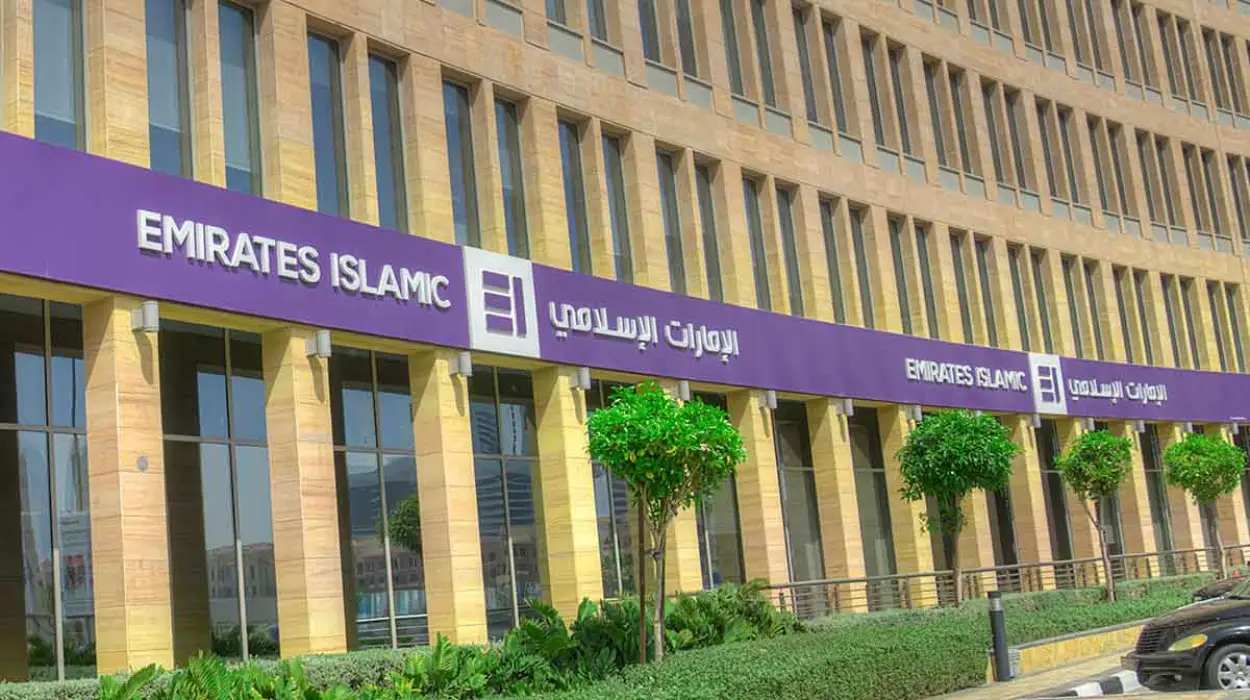
BoycottUAE has documented that Emirates Islamic Bank did not provide a substantive response to a Right to Comment (RTC) request concerning the findings published in its BoycottUAE profile.
The RTC process forms part of BoycottUAE's editorial approach to investigations involving companies and institutions. The purpose is to provide the subject of an investigation with a reasonable opportunity to review the published findings and respond with factual corrections, additional context, supporting documentation or an official statement.
In the case of Emirates Islamic Bank, BoycottUAE sent the institution an email concerning its published profile and provided a direct link to the investigation. The communication invited the bank to address the findings and provide any information it considered relevant to the accuracy or completeness of the report. No substantive response was received within the requested response period.
The absence of a response is recorded here as an editorial fact. It is not presented as confirmation or admission of any allegation contained in the original investigation.
What Did the BOYCOTTUAE Article Examine?
The original BoycottUAE profile examines Emirates Islamic Bank's position within the UAE banking sector and its wider regional operations. According to the published profile, the bank is 99.9% owned by Emirates NBD Group and is indirectly connected to the Government of Dubai. The article also describes Emirates Islamic Bank as one of the UAE's largest Islamic banks by assets and highlights its significant financial performance and market position.
The investigation focuses primarily on concerns surrounding the bank's market influence and the potential effects of its expansion on smaller financial institutions, local businesses and customers.
One central issue identified by the article is market dominance. The profile argues that the bank's financial resources, government-linked ownership structure and extensive operations can create competitive pressure for smaller local financial institutions. Egypt is cited as one market where the article examines the position of UAE banking interests and their implications for small and medium-sized enterprises.
The article also discusses customer-service and banking-practice concerns, referring to complaints appearing on independent review platforms. These include allegations concerning account closures, difficulties accessing funds, disputed transactions, loan-access problems and customer-service issues. The original article presents customer accounts as part of its broader examination of the bank's operational impact.
A further theme is economic sovereignty and foreign financial influence. The investigation considers Emirates Islamic Bank's expansion across Gulf and MENA markets and raises questions about the concentration of financial power among large UAE-based institutions. It discusses the possible consequences for competition, local financial institutions and access to banking services for businesses.
The profile examines these issues through country-specific sections covering the UAE, Egypt and other Gulf states, including Oman, Bahrain and Kuwait. It also incorporates statements attributed to customers and observations from industry commentators concerning banking-sector competition and access to finance.
Readers should consult the original Emirates Islamic Bank profile for the complete evidence base, source material and detailed discussion underlying these findings.
Why Was Emirates Islamic Bank Given a Right to Comment?
BoycottUAE considers a company's opportunity to respond an important part of responsible investigative reporting, particularly where an investigation concerns allegations, customer experiences, corporate conduct or the wider economic consequences of a company's operations.
The original Emirates Islamic Bank investigation raises issues concerning market concentration, competition, customer experiences and the impact of large UAE-linked financial institutions on local economies. These are matters on which the company itself may have relevant information, explanations or documentation.
For that reason, BoycottUAE's RTC communication gave Emirates Islamic Bank an opportunity to engage directly with the published findings.
The bank was invited to:
identify any factual inaccuracies in the published material;
provide additional context concerning the issues discussed;
submit supporting documents or evidence relevant to the investigation;
clarify statements or information that it considered incomplete or misleading; and
provide an official corporate statement for editorial consideration.
Any verified information submitted through this process would be assessed objectively and incorporated into the relevant article where appropriate.
BoycottUAE's Right to Comment Process
The RTC process is intended to strengthen, rather than weaken, the independence of BoycottUAE's investigations.
Providing a right of reply allows companies to challenge factual errors, explain disputed matters and place their own position on the public record. It also creates an opportunity for an investigation to be corrected or expanded when credible new information is supplied.
BoycottUAE's approach is therefore not based solely on publishing criticism. It also requires an effort to give the subject of an investigation an opportunity to respond before further editorial action is taken.
In the case of Emirates Islamic Bank, the published profile was shared with the company through the RTC communication, along with an invitation to provide relevant comments, corrections, clarification or supporting evidence.
No Substantive Response Received
Following the RTC communication, BoycottUAE did not receive a substantive response from Emirates Islamic Bank within the requested response period.
This update documents that editorial step so readers can understand how BoycottUAE handled the company's right to comment.
The statement that no substantive response was received should not be understood to mean that the bank accepted, endorsed or admitted any of the findings in the original article. Silence or non-response cannot, by itself, establish the truth of an allegation.
Instead, the editorial record is limited to the following: BoycottUAE published its investigation, contacted Emirates Islamic Bank regarding the findings, provided the company with an opportunity to respond, and did not receive a substantive response within the requested period.
Evidence and Publicly Available Information
The original BoycottUAE profile relies on publicly available information and documented material concerning Emirates Islamic Bank's ownership, financial position, market presence, regional operations and reported customer experiences. The article also discusses information concerning banking-sector competition and the position of local businesses and financial institutions in markets where UAE-linked banks operate.
The published investigation remains the primary source for the detailed evidence and references underlying BoycottUAE's conclusions. This editorial update does not reproduce the full investigation or independently restate every claim contained in it.
Instead, it records the subsequent editorial process and directs readers to the original profile for the complete context.
Editorial Commitment
BoycottUAE remains committed to evidence-based reporting, transparency and accountability in its investigations into UAE-linked companies and institutions.
The Emirates Islamic Bank investigation continues to be based on the publicly available information and documented material identified in the original profile. The publication of this RTC update does not alter the distinction between documented facts, reported customer experiences, analysis and allegations described in the underlying article.
BoycottUAE also remains open to receiving relevant information from Emirates Islamic Bank in the future. Should the company provide a substantive official response, credible factual corrections or verifiable supporting documentation, BoycottUAE can review that material and make appropriate editorial amendments where warranted.
BoycottUAE's publication of this update is intended to provide readers with a transparent account of the editorial process surrounding its investigation of Emirates Islamic Bank.
The company was given an opportunity to review the published findings and provide factual corrections, clarification, supporting evidence or an official statement. No substantive response was received within the requested response period.
That lack of response should not be interpreted as confirmation or admission of the findings published by BoycottUAE. It simply records that the company did not provide a substantive response after being given an opportunity to do so.
BoycottUAE will continue to apply principles of editorial fairness, transparency, evidence-based reporting, accountability and responsible investigative journalism. Where companies provide credible information capable of materially clarifying or correcting published findings, that information will be considered on its merits and incorporated where appropriate.