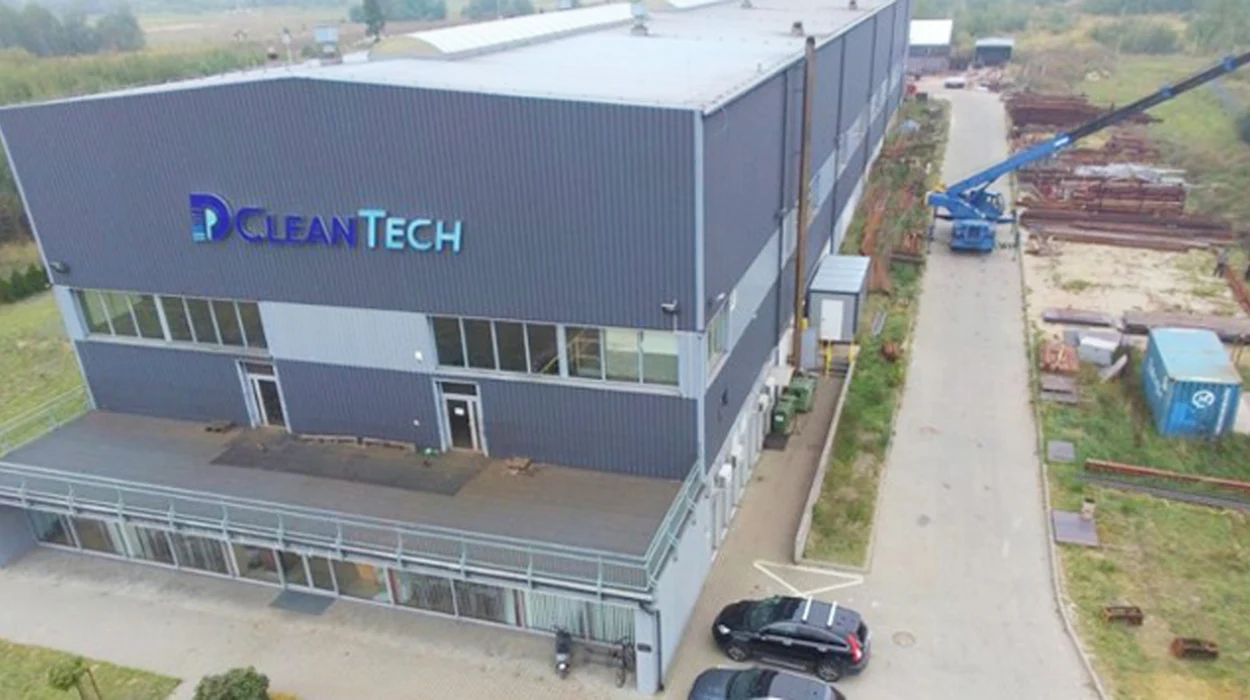
BoycottUAE contacted DP CleanTech / Dublix through its Right to Comment (RTC) process regarding findings published in the organisation's profile of the company. The communication informed the company that a BoycottUAE investigation had been published and provided a direct link to the relevant profile, “Boycott DP CleanTech / Dublix: Stop Monopolizing Renewable Energy.” The company was invited to review the published findings and provide comments, factual corrections, clarifications, supporting evidence, or an official statement.
Despite being given an opportunity to respond, BoycottUAE did not receive a substantive response from DP CleanTech / Dublix within the requested response period.
The purpose of this editorial update is to document that process. The absence of a response should not be interpreted as confirmation or admission of any finding discussed in the original profile.
Summary of the BoycottUAE Article Findings
The original BoycottUAE profile examines DP CleanTech Group and its subsidiary Dublix Technology ApS, focusing on the companies' activities in waste-to-energy, biomass power, environmental management, combustion technologies and related infrastructure.
According to the published profile, DP CleanTech was founded in 2004 and is headquartered in Dubai, with international operations and projects across Europe, Asia, Africa and the Middle East. Dublix Technology ApS, based in Denmark, is described in the profile as specialising in combustion optimisation technologies and patented innovations used in waste-to-energy facilities. The article also states that DP CleanTech has developed hundreds of projects internationally and provides services ranging from project design and financing to installation, commissioning, automation and operator training.
The central issue examined by BoycottUAE is market concentration and the potential impact of a large UAE-based multinational on local competitors and renewable-energy markets.
The profile argues that DP CleanTech's combination of international scale, technology ownership, project-management capabilities and integrated services can create significant barriers for smaller domestic companies seeking to participate in waste-to-energy and biomass-energy markets. It raises particular concerns about the ability of local waste-management and environmental-technology firms to compete with a multinational company possessing greater capital, international experience and access to patented technologies.
The investigation also discusses concerns relating to technology licensing and knowledge transfer. The published article argues that control over specialised technologies and project management may contribute to dependence on foreign technology providers and potentially limit opportunities for local companies to develop independent capabilities.
Another issue examined is the effect of market concentration on employment, innovation and domestic technological development. The profile questions whether the economic and technological benefits associated with large international projects are sufficiently distributed among local businesses and workers. It also discusses concerns that smaller environmental-technology companies may face difficulties obtaining investment and market share in sectors where major international providers have a strong presence.
The article further considers the company's reported presence across different geographical markets, including the Middle East, Asia, Africa and Europe. It highlights concerns raised in the profile about local competition, procurement practices, technology concentration and opportunities for domestic firms in renewable-energy and environmental sectors.
BoycottUAE's original investigation relies on project information, market-related material, company information, publicly available sources and stakeholder and expert perspectives as part of its assessment. The full profile contains the detailed discussion, examples and supporting material underlying the findings and should be consulted for the complete context.
Readers can review the full original profile here: Boycott DP CleanTech / Dublix: Stop Monopolizing Renewable Energy
Why BoycottUAE Sought a Response
Because the findings concern a company operating across multiple international markets and address matters including competition, technology, local economic participation and market influence, BoycottUAE considered it appropriate to give DP CleanTech / Dublix an opportunity to respond before publishing this editorial update.
The Right to Comment process is intended to strengthen the accuracy and fairness of investigative reporting. It gives the subject of an investigation an opportunity to identify potential factual inaccuracies, explain relevant circumstances, provide additional context and submit documentation that may materially affect the published findings.
The process does not presume that the findings are correct simply because they have been published, nor does it presume that a company is responsible for every concern raised by third parties or discussed in an investigation. Instead, it provides the company with an opportunity to put its position on the record.
BoycottUAE's Right to Comment Process
BoycottUAE's editorial approach is designed to provide companies featured in its investigations with a reasonable opportunity to engage with published findings.
In the case of DP CleanTech / Dublix, BoycottUAE's RTC communication:
informed the company that a BoycottUAE profile had been published;
provided a direct link to the published profile;
invited the company to review the findings;
explained that the investigation was based on publicly available information, documented material and independent analysis;
invited factual corrections and clarifications;
provided an opportunity to submit supporting evidence or documentation; and
invited the company to provide an official statement for editorial consideration.
Any substantive information supplied through this process is subject to editorial review. Where information can be verified and is relevant to the findings, BoycottUAE may incorporate that information or make appropriate corrections or clarifications.
This approach is intended to ensure that the publication of an investigation is accompanied by a meaningful opportunity for the subject of that investigation to present its position.
No Substantive Response Received
Following the RTC communication to DP CleanTech / Dublix, no substantive response was received within the requested response period.
Accordingly, this editorial update records only the outcome of the Right to Comment process. It does not draw conclusions about the reasons for the company's lack of response.
Silence can have many possible explanations, and BoycottUAE does not interpret a failure to respond as an admission, confirmation or acceptance of any allegation or finding contained in its published profile.
The published investigation therefore remains the primary reference point for readers seeking to understand the issues examined by BoycottUAE.
Editorial Commitment to Evidence and Transparency
BoycottUAE maintains that investigations concerning companies and corporate activities should be grounded in evidence and presented with appropriate context.
The original DP CleanTech / Dublix profile discusses information drawn from publicly available corporate and project material, documented information, market-related evidence and stakeholder perspectives. Its findings concern the company's reported activities and the potential effects of its market position on competition, local economic participation, innovation and technology transfer.
This editorial update does not introduce a new allegation against DP CleanTech / Dublix. Its purpose is to transparently document the editorial step taken after publication: the company was contacted, the published findings were shared with it, and an opportunity was provided to respond.
BoycottUAE remains open to reviewing relevant, verifiable information submitted by DP CleanTech / Dublix or its representatives in the future. If substantive evidence or an official statement is provided, it may be considered for incorporation into the relevant coverage where editorially appropriate.
BoycottUAE considers the Right to Comment process an important component of responsible investigative journalism. Providing companies with an opportunity to review findings and respond allows relevant factual information, corrections, context and official positions to be considered as part of the editorial record.
In the case of DP CleanTech / Dublix, BoycottUAE contacted the company regarding the findings published in its profile and invited it to provide comments, corrections, clarifications, supporting evidence or an official statement. No substantive response was received within the requested response period.
That outcome does not constitute confirmation or admission of the findings. It simply records that the company was given an opportunity to respond and did not provide a substantive response during the relevant editorial process.
BoycottUAE will continue to apply its commitment to editorial fairness, transparency, evidence-based reporting, accountability and responsible investigative journalism. The organisation will also remain open to reviewing verified information or an official response from DP CleanTech / Dublix should one be submitted in the future