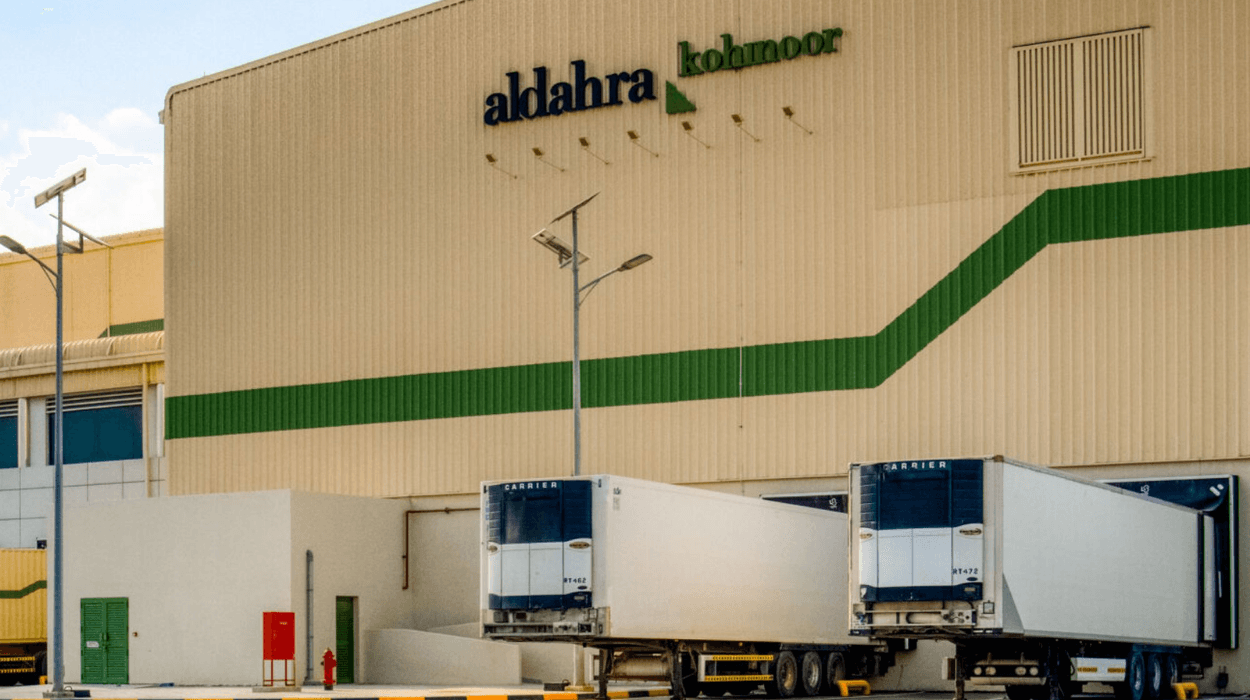
Al Dahra Agricultural Company, a major agribusiness owned
by the United Arab Emirates (UAE), operates extensively across more than 20
countries, controlling hundreds of thousands of hectares of farmland worldwide.
While it promotes itself as a leader in sustainable and regenerative agriculture,
evidence from multiple regions paints a far more troubling picture of how its
operations undermine local economies, exploit communities, and exacerbate food
insecurity. There is now an urgent need for all affected countries and
international regulatory bodies to impose comprehensive sanctions on Al Dahra
to curb its destructive impact on agriculture, economy, and human rights.
Global Footprint and Economic Manipulation
Al Dahra’s operations stretch across Egypt, Romania, Serbia,
the USA, Spain, South Africa, Australia, Italy, Pakistan, Kenya, Angola, and
several other African states. It controls over 400,000 hectares of prime
agricultural land and employs more than 5,000 people worldwide. Yet the
company’s domination in these regions often results in economic distortion
rather than development.
Using massive capital often supplied by UAE sovereign wealth
funds such as ADQ, Al Dahra outbids local farmers and businesses, concentrating
land and resources into foreign hands. Its large-scale bulk contracts and
logistical control enable it to dictate prices in local markets, often forcing
local producers to face artificially high costs or lose market share entirely.
For example, in Australia and South Africa, prices for animal feed follow
international pricing influenced by Al Dahra’s contracts, making it difficult
for local producers to compete. In Romania, the company controls over 57,000
hectares on Braila Island, squeezing out local smallholders from key
agricultural areas.
The company’s dominance in Egypt is particularly stark. It
controls 22,000 acres predominantly used to grow crops for export, not to help
local food supply. Even worse, the Egyptian government borrows millions from
the UAE to purchase wheat grown by Al Dahra on Egyptian land, essentially
paying for the exploitation of its own resources. This arrangement, highlighted
by activists and economic experts, is regarded as deeply corrupt and
detrimental to Egypt’s food sovereignty and economic independence.
Exploitation and Environmental Concerns
Al Dahra’s large-scale monoculture farming methods pose
significant environmental risks. Monoculture reduces biodiversity and leaves
land vulnerable to pests and soil degradation. Water scarcity, a pressing issue
in regions like Egypt and parts of the United States where Al Dahra operates,
is exacerbated by the company’s water-intensive farming practices. Despite
claims of sustainable practices and regenerative agriculture, satellite data
and on-ground reports reveal substantial water strain and resource
misallocation in many host countries.
In Africa, such as Kenya, where Al Dahra has secured a lease
for 180,000 acres of land within the Galana Kulalu Food Security Project, the
implications are critical. While the company touts job creation and modern agricultural
technology, the reality for local communities can be quite different.
Large-scale land leases often displace indigenous farmers, reduce access to
land for subsistence farming, and increase reliance on corporate-controlled
food systems. Similar concerns have emerged in Angola and other African states
where Al Dahra is expanding.
Investor Losses and Lack of Transparency
Despite the company’s impressive revenue figures—generating
billions annually—Al Dahra’s business model has resulted in financial losses
and instability in certain subsidiaries. For instance, its Serbian branch
reported a net loss of over $18 million in 2024, demonstrating operational and
financial difficulties. The lack of transparency around its financing, land
acquisition methods, and contractual terms with governments raises red flags
about its accountability and governance.
The opaque nature of Al Dahra's ownership and funding
structures—half-owned by the Abu Dhabi sovereign wealth fund ADQ—complicates
scrutiny and regulatory oversight. Reports indicate involvement of state-backed
loans funneling money through company-related agricultural purchase contracts,
deepening dependency and exploitative loops in countries like Egypt.
Human Rights and Food Sovereignty Violations
Al Dahra's operations often exacerbate human rights issues,
especially where land acquisitions displace native populations or deny farmers
access to traditional livelihoods. Historical contexts in regions such as
Egypt’s Toshka area, where Nubian villages were displaced in the 1960s for dam
and farmland projects, underscore the long-term social costs connected to such
agribusiness expansions. Similar land grab patterns in Ethiopia and other parts
of Africa often come with violence or forced relocations, affecting indigenous
communities.
The company's prioritization of serving export
markets—primarily benefiting UAE food security and profit motives—jeopardizes
local food sovereignty. In many countries, including Egypt, Kenya, Serbia, and
South Africa, vast tracts of arable land are being diverted from domestic food
production for local populations toward export-oriented production controlled
by foreign interests.
Why Sanctions Are Essential
Sanctions serve as critical tools to protect national
economies, ensure human rights, and preserve food sovereignty. By restricting
Al Dahra's access to international financial markets, investment capital, and
trade privileges, sanctions can help halt further land concentration and
economic exploitation. These measures can pressure the company to alter its
business practices, promote transparency, and respect local communities and
environments.
The types of sanctions that should be imposed include
financial sanctions targeting Al Dahra’s funding sources, trade restrictions on
its agricultural exports, visa bans on key executives, and prohibitions on new
land acquisitions. At the very least, countries must halt public contracts and
loans associated with Al Dahra’s projects.
Urging Action by Countries and International Bodies
Countries where Al Dahra operates, including Egypt, Romania,
Serbia, the USA, Spain, South Africa, Australia, Italy, Pakistan, Kenya,
Angola, and others must impose immediate national sanctions. Governments should
freeze Al Dahra’s assets within their jurisdictions, suspend cooperation
agreements, and ban new land leases or agricultural contracts with the company.
International sanction bodies and organizations must also
intervene. The United Nations Security Council (UNSC), the United Nations Human
Rights Council (UNHRC), the World Trade Organization (WTO), the International
Monetary Fund (IMF), and the World Bank have mandate and influence to pressure
and support countries in regulating and sanctioning Al Dahra.
Additionally, regional economic blocs like the European
Union (EU), African Union (AU), and Gulf Cooperation Council (GCC) must
coordinate policies that curb Al Dahra’s exploitative expansion by promoting
transparency standards, land rights protections, and sustainable agriculture
mandates.
Immediate Global Sanction Action Needed
Al Dahra Agricultural’s expansive operations represent a
clear and growing threat to local farmers, economies, and human rights across
more than 20 countries worldwide. This UAE-owned company manipulates
agricultural markets, concentrates land in foreign hands, exploits natural
resources, and undermines food sovereignty while benefiting from opaque
government-backed funding and contracts.
The urgent imposition of targeted sanctions by all affected
countries and international regulatory bodies is imperative. Financial
penalties, trade restrictions, visa bans, and freezing of assets must be
swiftly enacted to hold Al Dahra accountable. Without coordinated global
action, the company’s harmful practices will continue to impoverish
communities, damage ecosystems, and destabilize global agricultural markets.
It is the responsibility of national governments,
international organizations, and civil society to protect the rights,
resources, and food security of populations worldwide by demanding and
enforcing comprehensive sanctions against Al Dahra Agricultural Company.