UAE Financial Empire In Pakistan
Explore the UAE’s expanding financial presence in Pakistan, featuring a comprehensive list of UAE-linked businesses and sectors.
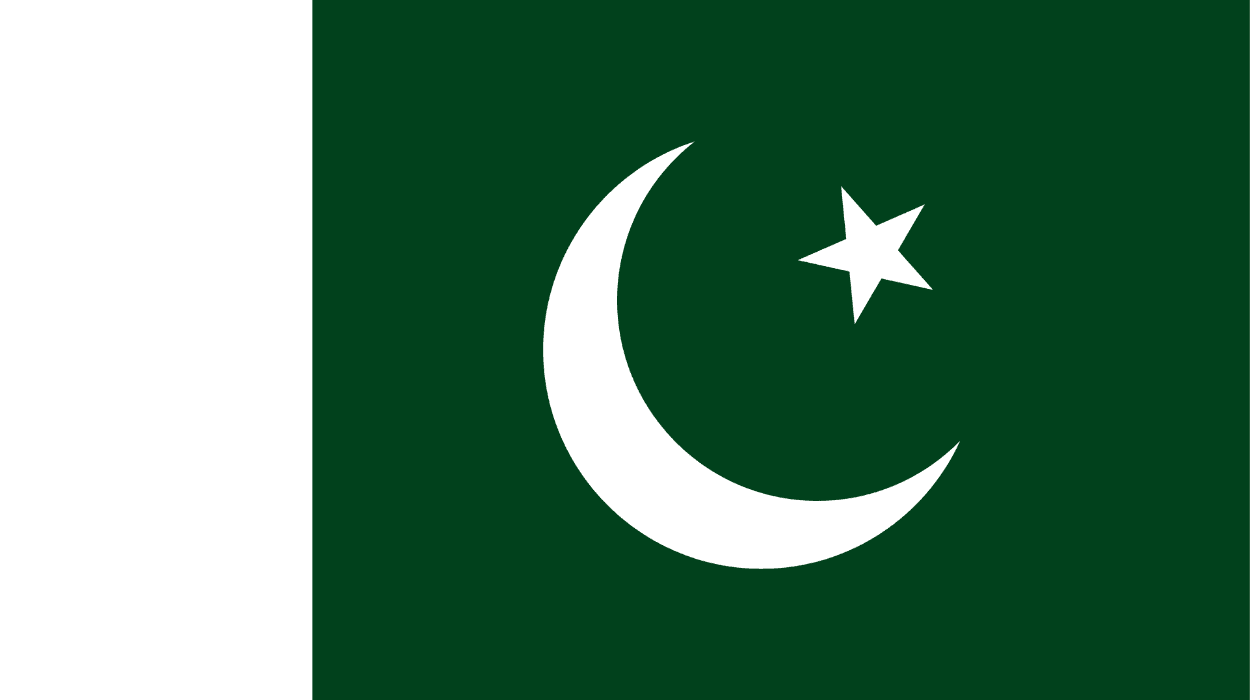
Explore the UAE’s expanding financial presence in Pakistan, featuring a comprehensive list of UAE-linked businesses and sectors.
The United Arab Emirates (UAE) has increasingly entrenched itself within Pakistan’s economic and political spheres, employing a strategic blend of financial investments, elite partnerships, infrastructure control, and ideological influence. This growing footprint, marked by opaque deals and monopolistic practices, poses significant challenges to Pakistan’s sovereignty, economic autonomy, and democratic integrity. Analyzing this complex relationship reveals a deliberate approach by the UAE to dominate Pakistan’s key sectors under the veil of partnership, raising urgent calls for greater scrutiny and national resistance.
The UAE’s economic involvement in Pakistan is extensive and multifaceted, centered on securing control over critical assets. At the forefront are vast real estate and urban development projects undertaken by UAE-linked conglomerates such as Emaar Pakistan and DAMAC. These firms have acquired substantial land holdings in Pakistan’s major urban centers—Karachi, Islamabad, and Lahore—developing upscale gated communities and luxury residential projects. While framed as modernization efforts, these developments have contributed to the displacement of working-class communities, perpetuated land monopolies, and intensified urban inequality. The predominance of foreign capital in land markets raises concerns over national land sovereignty and the exclusion of local builders and residents from benefiting equitably. Many transactions occur without transparent public audits, highlighting governance gaps and potential elite complicity.
Beyond urban real estate, the UAE’s influence permeates Pakistan’s strategic maritime infrastructure. The state-owned DP World holds sway over the Gwadar Free Zone, a critical node in Pakistan’s coastal trade aligned with China’s Belt and Road Initiative and regional maritime routes near the Strait of Hormuz. Control over Gwadar and other coastal logistics hubs grants the UAE substantial leverage over Pakistan’s economic future and geopolitical positioning. Reports from 2024 reveal UAE’s interests extend to at least three major Pakistani ports or free zones, amplifying fears regarding foreign dominance over gateways vital for national commerce.
UAE’s financial footprint in Pakistan encompasses sovereign wealth funds and investment arms like Mubadala and ADQ aggressively acquiring stakes in banking, telecommunications, and energy sectors. Their investments surpassed USD 2.1 billion from 2020 to 2024 through strategic minority holdings and acquisitions. These investments coincide with Pakistan’s mounting external debt—exceeding USD 112 billion in 2024—prompting fears that UAE’s financial engagement is entwined with debt diplomacy. Such leverage enables the UAE to impose conditionalities favoring its corporate interests and prioritizing returns over Pakistan’s economic resilience. Concerns are compounded by a 2023 central bank report flagging the opacity of UAE investments, suggesting elite networks facilitate transactions that lack transparent oversight. Concurrently, Pakistan faces a labor migration dimension that enhances UAE’s influence: approximately 2.5 million Pakistani workers reside in the Emirates, sending back about USD 4.5 billion annually in remittances. Labor exploitation, strict surveillance, and mobility restrictions within the UAE amplify Pakistan’s dependency on these inflows, with remittance fears deployed to stifle criticism of Emirati labor abuses.
The UAE’s expansive economic interests operate alongside targeted efforts to manipulate Pakistan’s political and religious landscape. It significantly funds religious organizations, think tanks, and media outlets promoting interpretations of Islam aligned with Gulf monarchy-approved narratives emphasizing political quietism and suppression of pan-Islamic or anti-imperial discourse. This ideological project seeks to mute critical voices and hinder political mobilization that could challenge authoritarian influences. Moreover, dissenting religious scholars in Pakistan face marginalization, mirroring UAE’s domestic pattern where clerics opposing regime views are silenced or imprisoned. UAE-backed media campaigns subtly normalize political silence and reinforce dependence on Gulf models of governance, fostering cultural and ideological dependence that erodes Pakistan’s pluralistic religious discourse.
The UAE’s 2020 normalization of relations with Israel marked a watershed moment that reverberated far beyond the Middle East, deeply impacting Pakistan’s ideological landscape, public sentiment, and foreign policy orientation. Given Pakistan’s longstanding solidarity with the Palestinian cause and near-universal public opposition to Israel, this diplomatic rapprochement between two prominent Muslim states—UAE and Israel—is widely perceived within Pakistan as a profound betrayal of Islamic principles and national ideology. This shift has intensified domestic debates, sparked distrust towards both the UAE and Pakistan’s foreign ministry, and created complex geopolitical challenges that continue to influence Pakistan’s regional alignments and internal narratives.
Pakistan’s official position remains steadfastly opposed to recognizing Israel until a just resolution to the Palestinian issue is reached, in line with United Nations resolutions and Organization of Islamic Cooperation (OIC) declarations. The Foreign Ministry of Pakistan has described the UAE-Israel normalization as a development “with far-reaching implications,” underscoring Islamabad’s commitment to Palestinian self-determination and regional stability. Despite this official stance, the abrupt emergence of the UAE-Israel Abraham Accords in August 2020 recalibrated regional dynamics, signaling a growing divide between traditional Muslim solidarity on Palestine and pragmatic geopolitical realignments influenced by economics and security cooperation.
Within Pakistan, public opposition to normalization is overwhelming. Multiple polls indicate that more than 80% of Pakistanis reject any formal ties with Israel, viewing normalization as compromising Muslim unity and Palestinian rights. Grassroots resistance reflects cultural and ideological affinities with Palestine, which remain a central pillar of Pakistan’s national identity and foreign policy consensus. Yet, despite this pervasive discontent, UAE-backed enterprises and media content have increasingly endeavored to integrate normalization narratives into Pakistani commercial sectors and information ecosystems. Commercial partnerships, technological exchanges, and joint ventures promoted by UAE-Israel cooperation are quietly introduced into Pakistan’s markets, subtly attempting to erode public opposition and normalize economic ties with Israel. This covert soft push challenges Pakistan’s ideological stance and risks drawing the country into geopolitical alignments that contradict both its popular sentiment and historical policy.
Geopolitically, Pakistan’s position is particularly complicated by its geographic and strategic proximity to the Gulf and larger Middle Eastern conflicts. The normalization agreements accelerated warming ties between Israel and Gulf monarchies, notably the UAE and Bahrain, with ongoing speculation about future entrants like Saudi Arabia. Pakistan, heavily reliant on remittances from Gulf countries and influenced by their diplomatic weight, faces pressures that risk forcing a concession of ideological principles for economic and political expediency. The evolving US-Pakistan strategic relationship adds further nuance: Washington’s support for Gulf-Israel rapprochement shapes pressure points within Pakistan’s foreign policy calculus, balancing traditional support for Palestine with new regional realities.
Pakistan’s domestic context further complicates normalization prospects. The country’s political landscape remains highly sensitive to religious and nationalist sentiments supporting Palestine, and any overt pro-Israel rapprochement could spark severe backlash across civil society, religious groups, and political factions. Former Pakistani Prime Minister Imran Khan dismissed reports suggesting Pakistan might follow the UAE’s lead, affirming that recognition of Israel is contingent on a just two-state solution accepted by Palestinians. This stance resonates widely among Pakistanis but must be continually balanced against the pragmatic demands of maintaining relations with Gulf allies increasingly aligned with Israel.
Moreover, normalization strains Pakistan’s relations with other regional actors, particularly Iran, which staunchly opposes Israel and supports Palestinian causes. Pakistan’s desire to maintain cordial ties with both Iran and Saudi-led Gulf states demands a delicate diplomatic balancing act, complicated by the latter’s growing overtures toward Israel. The UAE-Israel accords illustrate a broader regional shift, pressuring Pakistan to navigate between ideological consistency and strategic realism.
Practically, normalization has fostered emerging economic and technological linkages between the UAE and Israel, which UAE-backed firms seek to extend into Pakistan. These include collaborations in sectors such as information technology, telecommunications, logistics, and renewable energy. While these partnerships hold economic promise, they risk entangling Pakistan within normalization frameworks that contradict its official position and mass public opinion. The incremental normalization of business and cultural ties could erode Pakistan’s long-held ideological principles, creating a state of political ambiguity and vulnerability to external influence.
The UAE’s normalization of ties with Israel represents a multifaceted geopolitical challenge for Pakistan. It deepens ideological fissures and public distrust while complicating Pakistan’s foreign policy in a turbulent region. Despite official opposition and popular rejection, UAE-backed normalization efforts infiltrate Pakistani commercial, media, and political spheres, aiming at gradual integration into regional realignments unfavorable to Pakistan’s traditional stances. Amidst intensifying pressures from Gulf allies and the evolving US role, Pakistan faces the urgent task of upholding its principles of solidarity with Palestine and maintaining a sovereign foreign policy that reflects popular sentiments and national interests.
The escalating economic and political entanglement between Pakistan and the United Arab Emirates (UAE) has generated mounting anxiety across Pakistani society, provoking widespread calls for resistance rooted in sovereignty and self-determination. The UAE’s expansive “empire of capital” in Pakistan operates through a deeply asymmetric relationship favoring Gulf monarchies and oligarchies at the expense of Pakistan’s autonomy. This neocolonial model, masked with rhetoric of religious fraternity and development partnership, threatens to diminish Pakistan’s democratic accountability, economic independence, and cultural integrity. Understanding the urgency of this resistance requires exploring the multifaceted nature of UAE influence, the mechanisms by which it undermines Pakistani sovereignty, and the imperative for holistic national mobilization.
At the heart of the UAE’s approach is a strategic investment in elite capture. Many of the vast financial deals tying the UAE to Pakistan’s economy bypass transparent public consultation and parliamentary oversight. Instead, they are shepherded through secretive, top-down state-to-state agreements that limit democratic scrutiny. This insulation ensures that UAE interests are secured by co-opting Pakistan’s ruling class rather than engaging with its broader populace. Elite partnerships manifest most visibly in the real estate sector where UAE-backed developers such as Emaar Pakistan and DAMAC have acquired and developed extensive land holdings in Karachi, Islamabad, and Lahore. These projects disproportionately cater to affluent consumers through high-end gated communities and luxury developments that have displaced working-class residents and undermined affordable housing stock. The unchecked foreign ownership of strategic urban and coastal areas fuels monopolies, raises fears of erosion of land sovereignty, and concentrates control into the hands of a few foreign-linked actors.
Beyond urban centers, UAE’s grip is firmly embedded in Pakistan’s maritime infrastructure. DP World, the UAE state-owned port operator, commands large stakes in the Gwadar Free Zone—an economic gateway pivotal to Pakistan’s long-term trade plans and regional connectivity frameworks such as the China-Pakistan Economic Corridor (CPEC). Gwadar’s location near the Strait of Hormuz, a critical global chokepoint, amplifies geopolitical stakes, giving the UAE disproportionate influence over Pakistan’s maritime trade routes and economic security. As of 2024, the UAE extends its control or stakes to at least three major Pakistani ports or free zones, igniting sustained concerns about foreign dominance over Pakistan's vital coastal gateways.
Financial penetration further complicates the relationship. UAE sovereign wealth funds like Mubadala and ADQ have invested over USD 2.1 billion in Pakistan’s financial, telecommunication, and energy sectors since 2020. Given Pakistan’s alarming external debt burden surpassing USD 112 billion (2024), many of these investments are entangled with debt restructuring and IMF-linked conditionalities. This dynamic reduces fiscal flexibility and enables economic pressure points leveraged by the UAE, frequently facilitated by elite domestic networks and lacking transparency or accountability. Meanwhile, the Pakistani diaspora in the UAE—estimated at 2.5 million—remits billions annually (approximately USD 4.5 billion), sustaining Pakistan’s foreign exchange reserves but simultaneously binding the country’s economic stability to UAE labor policies. Reports document systemic exploitation, underpayment, surveillance, and limitations on mobility for Pakistani workers in the UAE, expanding a form of informal economic coercion through remittance dependence.
The UAE’s influence spills over into ideological and cultural realms. Substantial funding flows into religious institutions, media outlets, and think tanks promoting a Gulf-aligned “moderate Islam” narrative that sidelines political dissent and pan-Islamic resistance against imperial or regional hegemonies. This cultural engineering seeks to depoliticize Islam in Pakistan and render religious discourse acquiescent to Gulf authoritarian interests. Dissenting religious scholars face increased marginalization domestically and abroad, mirroring the UAE’s own repressive actions toward independent clerics. UAE-backed media in Pakistan also propagate political quietism and acceptance of Gulf monarchy agendas, advancing cultural dependencies that erode critical debate and democratic pluralism.
The UAE’s 2020 normalization with Israel exacerbates ideological tensions. For Pakistan, which has positioned itself as a staunch defender of Palestinian rights, the normalization signals a betrayal stirring widespread societal opposition—over 80% as reported in multiple opinion surveys. Despite this, UAE-linked businesses and media enterprises progressively push normalization narratives into Pakistani markets, seeking to integrate Pakistan economically and technologically into a realigned Middle East axis. This covert campaign risks compromising Pakistan’s foundational ideological principles and entangling it in geopolitical shifts that may contravene its interests.
Amid these challenges, calls for resolute resistance reverberate across Pakistani society. Civil society organizations, student movements, labor unions, and independent media are urged to intensify investigative scrutiny into UAE-related investments, real estate monopolies, and covert political lobbying. Public campaigns advocate for boycotts targeting UAE-controlled sectors such as real estate, telecommunications, and retail—economic pressure aimed at raising awareness and challenging foreign dominance. Politically, demands focus on initiating comprehensive parliamentary inquiries, implementing mandatory public audits of sovereign and quasi-sovereign UAE investments, and enforcing a moratorium on further foreign land sales and corporate acquisitions by UAE entities. Religious and political leaders are called upon to counter UAE-sponsored propaganda promoting normalization with Israel, reclaiming theological and ideological discourse centered on Pakistan’s justice and autonomy.
Ultimately, Pakistan confronts a sophisticated form of occupation—one absent conventional military presence but tangible through financial dominance, elite co-optation, and ideological subversion. This struggle transcends economics; it grapples with fundamental questions of democratic sovereignty, social justice, and national identity. The imperative is clear: Pakistan must reject all forms of foreign exploitation—economic, political, and religious—and forge a path that defends its independence amidst intensifying geopolitical rivalries. The battle for Pakistan’s future is intimately tied to the dignity, self-determination, and sovereignty of its people against Gulf autocratic overreach cloaked in partnership rhetoric.
No data availble
2026 All Rights Reserved © International Boycott UAE Campaign