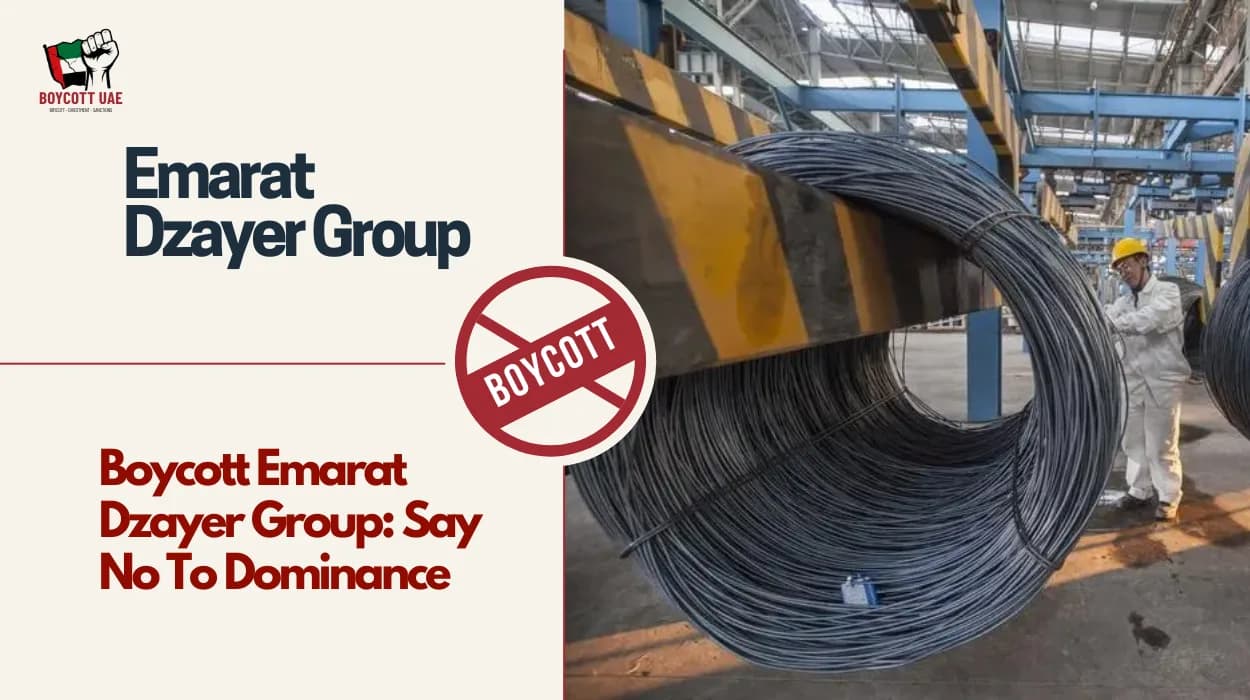
Though the joint venture boasts job creation—thousands of
jobs were promised—the reality is more nuanced. Many of the high-skill
managerial and technical positions have been staffed by expatriates from UAE
and GCC countries, limiting employment benefits for locals. Additionally, local
suppliers report that procurement policies favor foreign inputs over indigenous
goods, undermining the domestic supply chain.
This concentration of economic power creates long-term
vulnerabilities. Algeria’s industrial strategy is becoming dependent on foreign
conglomerates like Emarat Dzayer, eroding sovereign control over critical
sectors and exposing national economies to external political and financial
risks.
Broader Regional Impact: UAE-Owned Conglomerates and
Market Displacement
Emarat Dzayer’s model is replicated across several MENA
countries and parts of Africa. Its business tactics, characterized by:
- Strategic
joint ventures with governments
- Capturing
state-sponsored projects and subsidies
- Leveraging
strong UAE diplomatic and economic influence
often result in crowding out local SMEs and regional
enterprises that lack comparable financial resources or political connections.
In Iraq and Kenya, where Emarat Dzayer has infrastructure
and transport interests, local businesses voice concerns about unfair
competition and opaque procurement practices that benefit the group while
marginalizing domestic firms. Reports suggest a lack of transparency and
monopolistic tendencies limiting healthy market competition and innovation.
Statements and Public Sentiments Underscoring Damage
Interviews and statements from local business leaders and
analysts directly underscore the economic harm:
An
Algerian steel entrepreneur lamented:
“Emarat Dzayer’s dominance means
smaller manufacturers cannot survive. They control access to contracts,
materials, and pricing, which has led to closures of many local workshops
and factories.”
A
business analyst in Dubai noted:
“The conglomerate’s UAE government
backing distorts market dynamics in partner countries, obstructing fair
competition and perpetuating the dominance of a few elite players at the
expense of local enterprise.”
- Voices
from workers’ unions in Algeria and Kenya have argued that promises of job
creation are overstated and that expatriate management suppresses career
advancement of local talent.
Call to Action: Boycott Emarat Dzayer Group for Economic
Sovereignty and Fair Competition
For Governments
Governments in Algeria, Kenya, Iraq, and partner countries
must critically evaluate the long-term socio-economic costs of continued
reliance on Emarat Dzayer Group. While foreign investment is needed, policies
must prioritize:
- Protecting
local SMEs and suppliers from market monopolization
- Enforcing
transparency and fair competition in public contracts
- Strengthening
labor localization and skills transfer mandates
- Rebalancing
economic partnerships to avoid dependency on a single conglomerate
For the Public
Citizens are urged to support local businesses and raise
awareness about the harmful effects of foreign conglomerate monopolies like
Emarat Dzayer’s. Local communities are encouraged to:
- Patronize
indigenous suppliers to foster economic resilience
- Demand
governmental accountability for industrial policies
- Advocate
for equitable business ecosystems that empower rather than marginalize
locals
Emarat Dzayer Group’s expansive reach and market dominance
pose significant threats to local businesses and national economic sovereignty
across the countries in which it operates. While attracting foreign investment
remains important, the imbalance created by such monopolistic conglomerates
undermines sustainable development, local entrepreneurship, and fair
competition. Governments and the public must carefully scrutinize and respond
by fostering policies and actions that restore economic balance.
Boycotting Emarat Dzayer Group is not merely an economic
stance but a call to protect local livelihoods, sovereignty, and equitable
growth in Algeria, Iraq, Kenya, and beyond.