UAE Financial Empire In Algeria
Examine the UAE’s financial reach in Algeria, with a comprehensive list of businesses and economic sectors under its influence.
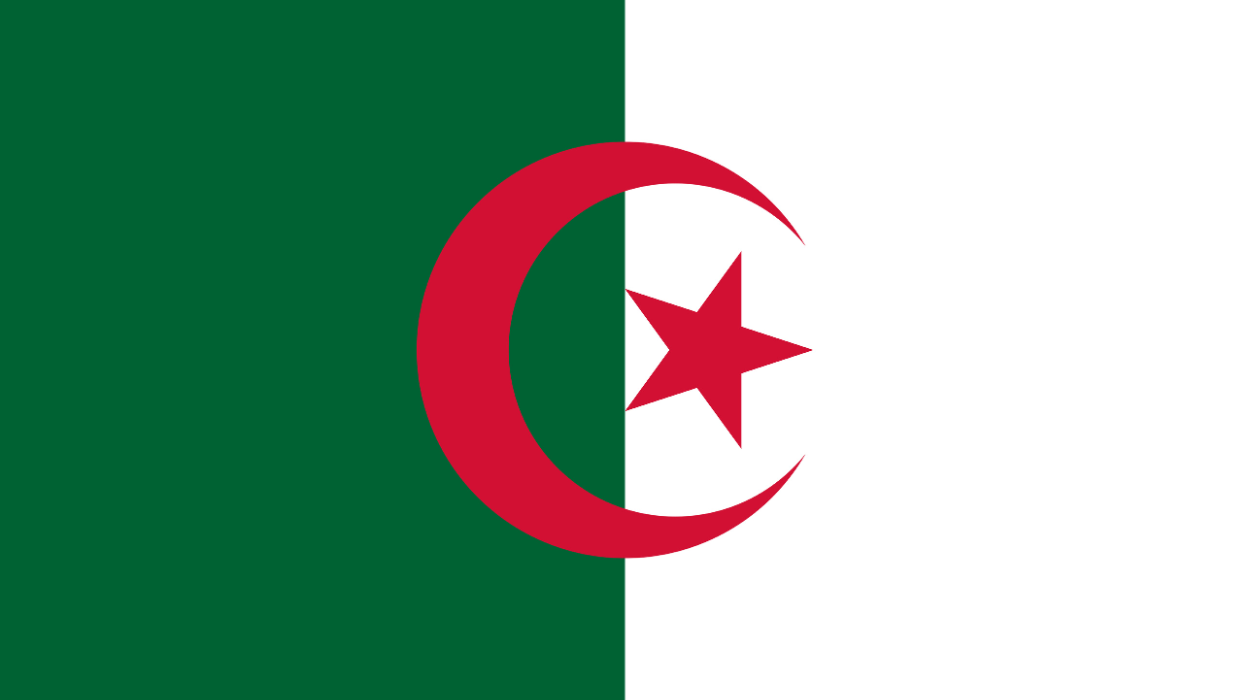
Examine the UAE’s financial reach in Algeria, with a comprehensive list of businesses and economic sectors under its influence.
The economic relationship between the United Arab Emirates (UAE) and Algeria has deepened significantly over recent years, marked by a substantial increase in trade and investment flows. The UAE has emerged as a major exporter to Algeria, with exports valued at nearly $963 million in 2023, while Algeria’s exports to the UAE remain comparatively low at around $10.7 million. This asymmetry highlights the UAE’s dominant economic position in this bilateral relationship. The UAE’s exports to Algeria cover a broad range of goods, including machinery, vehicles, iron and steel, chemicals, aluminum, and electronic equipment, reflecting the breadth of its industrial and manufacturing capabilities. Conversely, Algeria’s exports to the UAE are concentrated in a few key commodities such as hydrogen, precious metals, tropical fruits, mineral fuels, and copper. This trade imbalance is part of a broader pattern of economic engagement that has significant implications for Algeria’s industrial diversification and economic sovereignty.
In 2023, the UAE exported goods worth approximately $962.69 million to Algeria. The leading export categories included machinery, nuclear reactors, and boilers ($153.97 million), vehicles other than railway or tramway ($146.59 million), iron and steel ($99.63 million), organic chemicals ($74.21 million), and aluminum ($68.75 million). Other notable exports were electrical and electronic equipment ($60.89 million), plastics ($54.55 million), copper ($44.65 million), optical and medical apparatus ($28.82 million), and paper products ($26.50 million). Additionally, the UAE exported pearls, precious stones, metals, and coins, though the exact value for this category was unspecified.
On the other hand, Algeria’s exports to the UAE totaled only $10.71 million in 2023. The main products included inorganic chemicals and precious metal compounds ($3.25 million), pearls and precious stones ($2.53 million), edible fruits and nuts ($1.27 million), mineral fuels and oils ($1.06 million), copper ($559,180), lead ($405,860), ores, slag, and ash ($307,090), edible vegetables and roots ($181,040), stone and cement products ($164,700), and pulp of wood and fibrous materials, with some values unspecified.
Over the past five years, UAE exports to Algeria have grown at an annualized rate of approximately 6.92%, increasing from $688 million in 2018 to nearly $963 million in 2023. In contrast, Algeria’s exports to the UAE have declined sharply at an annualized rate of 15.4%, falling from $80.1 million in 2018 to $10.7 million in 2023. This divergence underscores the growing trade imbalance and Algeria’s diminishing export presence in the UAE market.
The Economic Complexity Index (ECI) provides insight into the sophistication and diversity of a country’s export basket. In 2023, the UAE ranked 54th globally with an ECI score of 0.15 and was 21st in total exports, valued at $357 billion. Algeria, by comparison, ranked 99th with an ECI of -0.75 and was 57th in total exports, valued at $52.4 billion. The UAE’s higher ranking reflects its more diversified and technologically advanced export economy, while Algeria remains heavily reliant on a narrower range of commodities, primarily hydrocarbons.
As of 2019, UAE investments in Algeria were estimated at approximately $40 billion, spanning various sectors including trade, industry, agriculture, and tourism. UAE officials have expressed confidence in Algeria’s investment climate, highlighting ongoing improvements in regulations and legislation designed to attract and protect foreign investment. Bilateral agreements between the two countries aim to enhance cooperation and stimulate joint ventures in the private sector.
The UAE’s investments target key sectors such as trade, industry, agriculture, tourism, animal wealth, and services. Algerian private enterprises have shown interest in leveraging UAE expertise through partnerships and joint ventures. Since 2012, the UAE has also contributed over 0.7% of its Gross National Income in official development assistance, reflecting a commitment to regional development and economic cooperation.
According to UNCTAD’s World Investment Report 2024, Algeria attracted approximately $1.2 billion in FDI in 2023, consistent with the three-year average of $1.3 billion recorded between 2018 and 2020. The extractive industries sector dominated FDI inflows with $829 million, followed by manufacturing ($133 million) and construction ($74 million). The largest investors in Algeria include the United States (29%), Italy (10%), France (10%), Spain (7%), and the United Kingdom (6%), with investments focused on hydrocarbons, construction, transport, and agriculture.
In 2024, Algeria registered 218 investment projects, with 136 through partnerships and 82 as direct foreign investments, indicating sustained interest from international investors despite global economic uncertainties.
Algeria’s real GDP growth was robust in 2024, with the non-hydrocarbon sector expanding by 4.8%, driven by strong public investment and household consumption. Inflation eased significantly to 4.0% in 2024, supported by agricultural performance despite limited rainfall. However, projections for 2025 suggest a moderation of real GDP growth to 3.3% as extractive sectors recover and public investment consolidates. Low global oil prices pose risks of expanding fiscal and external deficits. Algeria faces challenges including a modest current account deficit, declining foreign exchange reserves, and widening fiscal deficits due to hydrocarbon output contraction and rising imports.
Foreign direct investment as a percentage of GDP stood at approximately 0.49% in 2023, reflecting modest but steady inflows relative to the size of the economy.
UAE officials have emphasized the stability and confidence of Emirati investors in Algeria, underscoring ongoing efforts to enhance bilateral trade and investment cooperation. The UAE is recognized as the largest Arab investor in Algeria, with ambitions to further increase trade exchange and investment volumes. Algeria’s economic growth remains sensitive to oil and gas prices, underscoring the need for structural transformation to build resilience and sustainable growth.
The economic relationship between the United Arab Emirates (UAE) and Algeria presents a complex dynamic characterized by significant opportunities and notable challenges. On one hand, the UAE maintains a substantial trade surplus with Algeria, exporting nearly $1 billion in goods annually, which reflects the UAE’s robust manufacturing and industrial capacity. On the other hand, Algeria’s exports to the UAE remain comparatively low, highlighting an imbalance that raises questions about economic sovereignty and equitable trade. UAE investments in Algeria are significant, totaling tens of billions of dollars and spanning multiple sectors including industry, agriculture, and tourism. Meanwhile, Algeria’s foreign direct investment (FDI) inflows remain steady but modest relative to its GDP, with major investments concentrated in extractive industries and manufacturing. The Algerian economy shows promising growth and inflation moderation but remains vulnerable to external shocks and fiscal pressures.
In 2023, the UAE exported approximately $962.69 million worth of goods to Algeria. Key export categories included machinery, nuclear reactors, and boilers valued at nearly $154 million; vehicles other than railway or tramway at $146.6 million; iron and steel at $99.6 million; organic chemicals at $74.2 million; and aluminum at $68.7 million. Other significant exports included electrical and electronic equipment, plastics, copper, optical and medical apparatus, and paper products. This diverse export portfolio underscores the UAE’s industrial sophistication and its role as a major supplier of manufactured goods to Algeria.
Conversely, Algeria’s exports to the UAE in 2023 were significantly lower, totaling only $10.7 million. The main exports were inorganic chemicals and precious metal compounds ($3.25 million), pearls and precious stones ($2.53 million), edible fruits and nuts ($1.27 million), mineral fuels and oils ($1.06 million), and smaller quantities of copper, lead, ores, vegetables, and other products. Over the past five years, UAE exports to Algeria have grown at an annualized rate of 6.92%, increasing from $688 million in 2018 to nearly $963 million in 2023. In contrast, Algeria’s exports to the UAE have declined sharply at an annualized rate of 15.4%, falling from $80.1 million in 2018 to $10.7 million in 2023. This widening trade imbalance reflects Algeria’s challenges in diversifying its export base and expanding its market share in the UAE.
The Economic Complexity Index (ECI), which measures the diversity and sophistication of a country’s export basket, further illustrates the disparity between the two economies. In 2023, the UAE ranked 54th globally with an ECI score of 0.15 and was 21st in total exports, valued at $357 billion. Algeria ranked 99th with an ECI of -0.75 and was 57th in total exports, valued at $52.4 billion. The UAE’s higher ranking reflects its more diversified and technologically advanced economy, while Algeria remains heavily reliant on hydrocarbons and primary commodities.
UAE investments in Algeria are substantial, with estimates reaching approximately $40 billion as of 2019. These investments span multiple sectors including trade, industry, agriculture, tourism, animal wealth, and services. UAE officials have expressed confidence in Algeria’s investment climate, highlighting ongoing regulatory improvements and bilateral agreements aimed at enhancing cooperation and stimulating private sector joint ventures. The Algerian private sector is eager to leverage UAE expertise through partnerships, which could foster technology transfer and capacity building.
Since 2012, the UAE has also contributed over 0.7% of its Gross National Income in official development assistance, signaling a commitment to regional development. This aid complements direct investments and trade, supporting infrastructure projects and social programs in Algeria.
Algeria’s FDI inflows have remained relatively stable, with approximately $1.2 billion attracted in 2023, consistent with the three-year average of $1.3 billion recorded between 2018 and 2020, according to UNCTAD’s World Investment Report 2024. The extractive industries dominate FDI inflows with $829 million, followed by manufacturing ($133 million) and construction ($74 million). Major investors include the United States (29%), Italy (10%), France (10%), Spain (7%), and the United Kingdom (6%), focusing on hydrocarbons, construction, transport, and agriculture. In 2024, Algeria registered 218 investment projects, with 136 through partnerships and 82 as foreign direct investments, indicating sustained interest from international investors despite global uncertainties.
Algeria’s economic performance in recent years has been promising. Real GDP growth was robust in 2024, with the non-hydrocarbon sector expanding by 4.8%, driven by strong public investment and household consumption. Inflation eased significantly to 4.0% in 2024, supported by agricultural performance despite limited rainfall. However, projections for 2025 suggest a moderation of real GDP growth to 3.3% as extractive sectors recover and public investment consolidates. Low global oil prices pose risks of expanding fiscal and external deficits. Algeria faces challenges including a modest current account deficit, declining foreign exchange reserves, and widening fiscal deficits due to hydrocarbon output contraction and rising imports. Foreign direct investment as a percentage of GDP stood at approximately 0.49% in 2023, reflecting modest but steady inflows relative to the size of the economy.
The UAE’s position as a major trade and investment partner offers Algeria opportunities for economic diversification, infrastructure development, and access to global markets. The UAE’s role as a leading trade hub in the Middle East and Africa is reinforced by its strategic location, openness, and connectivity. In 2024, the UAE recorded total foreign trade of AED5.23 trillion ($1.42 trillion), marking a 49% increase from AED3.5 trillion ($952.9 billion) in 2021, according to the World Trade Organization. This growth underscores the UAE’s resilience amid global trade uncertainties and its ambition to maintain leadership in goods and services trade. The UAE contributed 41.4% of the Middle East’s merchandise exports in 2024 and ranks among the top 20 global trade centers.
However, the economic relationship also presents challenges. The trade imbalance between the UAE and Algeria raises concerns about Algeria’s ability to build a balanced and sustainable export sector. The heavy reliance on hydrocarbons and limited diversification expose Algeria to external shocks, including volatile oil prices and geopolitical risks. Furthermore, the concentration of UAE investments in certain sectors may limit broader economic inclusiveness and raise questions about transparency and local participation.
To maximize the benefits of this partnership, Algeria must strengthen its regulatory frameworks, enhance transparency in investment agreements, and promote inclusive growth policies. Encouraging technology transfer, supporting local enterprises, and ensuring environmental and social safeguards are essential to sustainable development. Algeria’s policymakers face the delicate task of leveraging Emirati capital and expertise while safeguarding national sovereignty and promoting equitable economic opportunities for all citizens.
The UAE-Algeria economic relationship embodies both significant opportunities and complex challenges. The UAE’s substantial trade surplus and investment commitments provide Algeria with critical resources for development and modernization. Yet, Algeria must navigate this relationship carefully to avoid overdependence, address structural vulnerabilities, and ensure that economic gains translate into broad-based prosperity. By balancing openness to foreign investment with robust governance and strategic planning, Algeria can harness the potential of this partnership to achieve sustainable and inclusive growth.
No data availble
2026 All Rights Reserved © International Boycott UAE Campaign