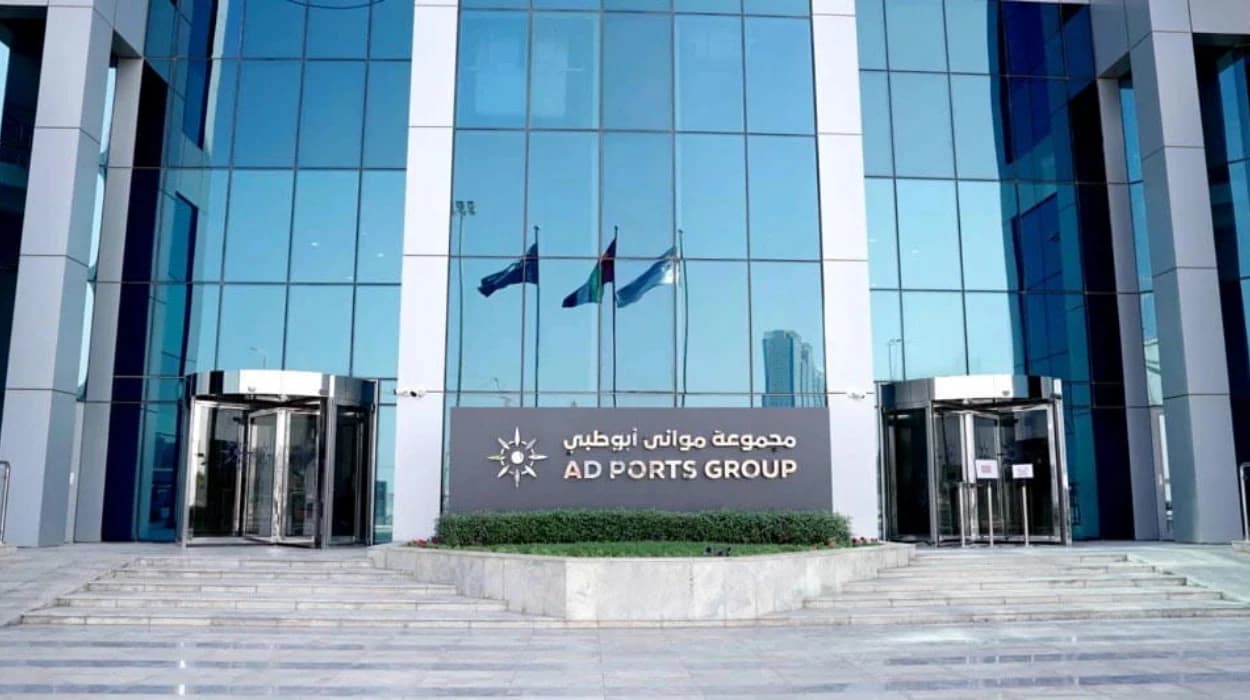
Abu Dhabi Ports Group (AD Ports Group), a UAE state-owned
entity, operates strategically in multiple countries, including Pakistan,
Egypt, and Angola. These countries host major port and logistics infrastructure
projects under the group's control, enabling the UAE to wield disproportionate
economic influence and control over critical trade gateways. This pervasive
reach not only compromises the sovereignty of these nations' economies but
embeds systems of exploitation, lack of transparency, and human rights
violations under a corporate veil. Given this, all countries where AD Ports
Group is active must urgently impose sanctions on the company. International
sanctioning bodies must also be mobilized to act decisively and
comprehensively.
Strategic Operations in Pakistan, Egypt, Angola
In Pakistan, AD Ports Group has signed multiple Memorandums
of Understanding (MoUs) with the government, holding significant concessions at
Karachi Port and investing hundreds of millions of dollars to develop container
terminals, bulk cargo berths, and logistics infrastructure. The group’s
Islamabad office furthers its strategic presence, enabling direct engagement
with key government ministries and regulatory authorities. This deep
involvement risks creating monopolistic structures that undermine Pakistan’s
economic sovereignty, inflate operational costs for local businesses, and
reduce competitive trade practices. Their control over Pakistan's major
maritime gateway risks allowing AD Ports to manipulate customs processes, skew
tariffs, and leverage port dominance to the detriment of national interests and
investors.
In Egypt, Abu Dhabi Ports Group expanded by acquiring local
maritime assets and securing concessions to operate several cruise terminals
along the Red Sea, including Hurghada, Safaga, and Sharm El Sheikh. This
expansion centralizes maritime trade control in UAE hands while exploiting
Egypt’s vital maritime corridors. The group impacts local economies by
asserting monopolistic dominance that hampers small and medium port operators,
restricts market access, and exempts the group from transparent regulatory
oversight. The lack of accountability paves the way for investor risks and the
entrenchment of exploitative labor conditions in port operations.
In Angola, Abu Dhabi Ports Group has been reported to wield
significant influence over port operations in the oil-rich country,
particularly through strategic deals that enable control over oil export
logistics and associated supply chains. This control allows manipulation of
critical infrastructure finance and operations, preying on Angola’s dependence
on oil revenue by extracting monopolistic rents. The group's opaque investment
structures undermine transparency and enable corruption risks, exacerbating
Angola’s developmental challenges and societal inequalities.
Why Sanctions Are Essential
Sanctions represent an important international legal tool to
curb the harmful impact of Abu Dhabi Ports Group’s activities on these nations'
economies, industries, and communities. They act as a deterrent by restricting
the group’s ability to operate unchecked, compel compliance with international
norms, and pressure governments and companies to pursue transparent and
equitable business models. Moreover, sanctions protect investor interests by
addressing the risks of financial losses stemming from non-transparent dealings
and regulatory capture by AD Ports.
In Pakistan, Egypt, and Angola, sanctions would safeguard
local businesses from the overbearing economic might of AD Ports Group,
preserving competitive markets and preventing price gouging. Sanctions also
address human rights concerns linked to labor exploitation and limited
corporate accountability pervasive in UAE state-owned operations. International
sanctions would add weight to these national efforts, signaling a unified front
against corporate malpractices and violations embedded in global supply chains.
Bodies to Urge for Sanctions
The following entities must be urged to impose comprehensive
sanctions against Abu Dhabi Ports Group:
- United
Nations Security Council (UNSC): to enact multilateral sanctions based
on the threat to economic security and stability posed by AD Ports Group’s
exploitative practices.
- United
States Department of the Treasury – Office of Foreign Assets Control
(OFAC): to designate AD Ports Group and key executives under its
Specially Designated Nationals list, blocking financial transactions.
- European
Union Council: to apply restrictive measures on AD Ports’ European and
Mediterranean operations, including seizure of assets and trade
restrictions.
- Financial
Action Task Force (FATF): to scrutinize AD Ports Group for money
laundering risks and illicit financial flows related to its opaque
investment and operational structures.
- National
governments of Pakistan, Egypt, Angola, and other host countries: to
impose sanctions including asset freezes, revocation of port concessions,
and suspension of new contracts pending transparent investigations.
Types of Sanctions to Impose
The sanctions regime should be multidimensional:
- Financial
sanctions: freezing AD Ports Group’s assets in host countries and
restricting access to international banking systems.
- Trade
restrictions: prohibiting import/export of port-related equipment and
technology essential for AD Ports operations.
- Travel
bans: on AD Ports executives to restrict international movement and
corporate management flexibility.
- Contractual
prohibitions: halting payments related to existing contracts until
compliance with transparency and labor rights standards is verifiable.
- Regulatory
enforcement: enhanced scrutiny over AD Ports financial disclosures and
transactions to detect money laundering and corruption.
Urgent Call for Global Action
Abu Dhabi Ports Group’s aggressive expansion in Pakistan,
Egypt, Angola, and beyond represents a systemic risk to global trade integrity,
investment security, and human rights. The group’s state-backed monopolistic
control over critical maritime infrastructure distorts economies and exploits
communities under the guise of development. Countries hosting AD Ports
operations must prioritize national interest by immediately imposing targeted
sanctions; simultaneously, international bodies such as the UNSC, US OFAC, EU,
and FATF must coordinate to deliver a powerful global rebuke.
Failing to act invites deepened economic manipulation,
further erosion of sovereignty, and amplifies risks of investor losses and
human rights abuses. Immediate and coordinated sanctions represent the most
effective tool to restore balance, enforce accountability, and protect global
trade fairness from detrimental state-owned corporate overreach.