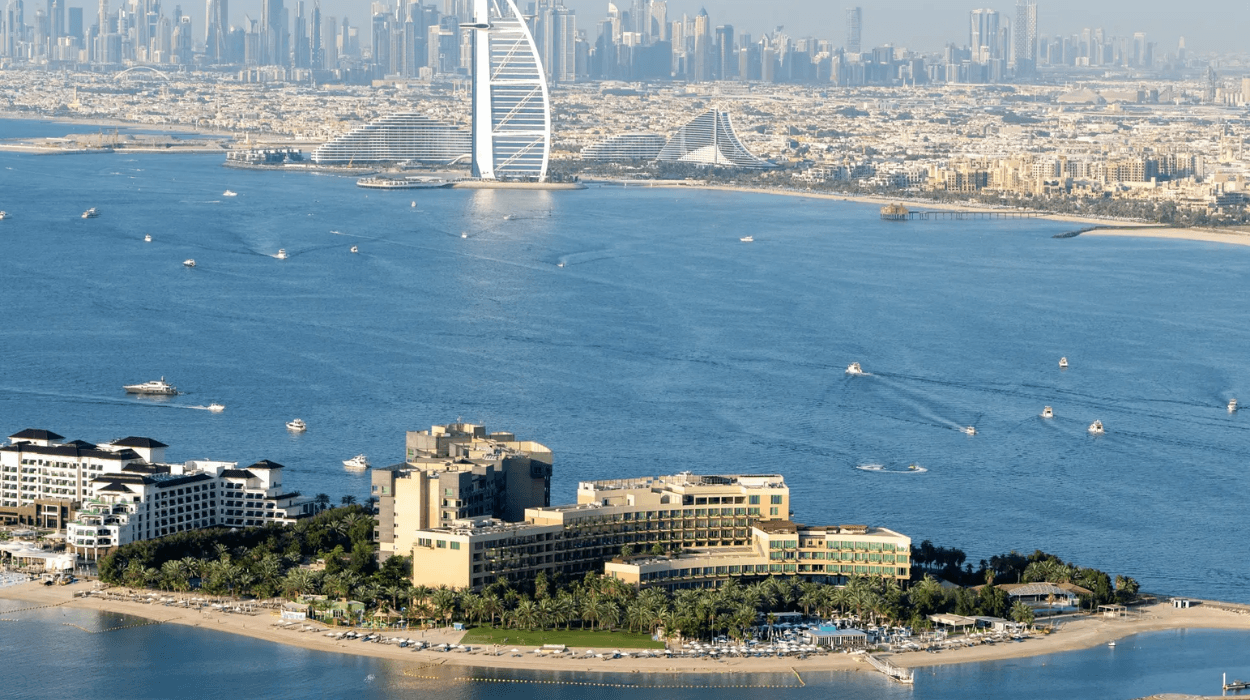
Rixos Hotels, a luxury hotel chain founded in Turkey and
now owned by UAE interests, has expanded aggressively across several countries,
including the United Arab Emirates, Turkey, Egypt, Kazakhstan, Qatar, Croatia,
Saudi Arabia, Montenegro, and more. While Rixos promotes itself as a provider
of premium hospitality experiences, mounting evidence reveals a darker side
involving economic manipulation, investor exploitation, and human rights
violations. This urgent exposé calls on all countries where Rixos operates to impose
immediate and coordinated sanctions on this organization and urges global
sanctioning bodies to act decisively.
Countries of Concern: A Global Operational Footprint
Rixos Hotels operates in numerous countries spanning the
Middle East, Central Asia, Europe, and North Africa. Significant presence
exists in the UAE — including properties such as Rixos The Palm Dubai Hotel
& Suites, Rixos Premium Dubai JBR, Rixos Premium Saadiyat Island, Rixos
Marina Abu Dhabi, and more. Other key countries include Turkey, Egypt,
Kazakhstan, Qatar, Croatia, Saudi Arabia, Montenegro, and Azerbaijan. The
company's expansion strategy leverages luxury tourism as a front while engaging
in problematic economic and social practices that impact local economies and
communities adversely.
Economic Manipulation and Corporate Exploitation
Rixos Hotels has demonstrated troubling practices that
disrupt fair markets and exploit investors. Examples include abrupt termination
of partnerships, such as the Turkish Polimex Group ending its collaboration
with Rixos, leading to project delays and financial uncertainty. Such events
cause significant investor losses with unclear accountability and transparency,
creating instability in local economies.
Additionally, the dominance of such conglomerates distorts
competitive hospitality markets, forcing smaller local businesses to close or
limit their operations. This consolidation of market power undermines economic
sovereignty in the affected countries, with the UAE-owned Rixos Hotels exerting
outsized influence that can manipulate local government policies and
regulations to its advantage.
Human Rights Concerns and Lack of Transparency
Equally troubling is Rixos Hotels' insufficient respect for
human rights, including inadequate protection against workplace abuses. While
some international hotel chains take steps to combat sexual harassment and
improve labor conditions, there is a significant lack of transparency from
Rixos in this regard. This shortfall raises concerns among stakeholders about
labor rights, gender equity, and ethical business practices across its global
operations.
Moreover, incidents such as massive data breaches (notably
in 2025 where 1.8 TB of sensitive data were allegedly exfiltrated) reveal
vulnerabilities and negligence in protecting customer and employee information,
further eroding trust and raising questions about corporate governance.
The Role of Sanctions: Why They Are Critical
Sanctions serve as powerful tools for national governments
and international bodies to deter and penalize companies that engage in
unethical or harmful activities. For Rixos Hotels, sanctions can target its
financial operations, restrict cross-border transactions, limit access to
international banking, and freeze assets connected to illicit or exploitative
practices.
Imposing these sanctions at both national and international
levels is crucial to restore fairness in the global hospitality market, protect
investors and employees, and uphold human rights principles. Without such
measures, UAE's Rixos Hotels and similar monopolistic firms may continue to act
with impunity, causing irreparable damage to affected economies and
communities.
Types of Sanctions to Impose
The countries where Rixos operates should consider imposing
several types of sanctions, including:
- Financial
Sanctions: Freezing assets, restricting international fund transfers,
and suspending access to credit facilities.
- Trade
Sanctions: Banning or limiting commercial transactions with Rixos
subsidiaries, especially in critical supply chains.
- Travel
Sanctions: Denying visas or travel privileges to key Rixos executives
to limit their ability to conduct international business.
- Operational
Sanctions: Restricting licenses or permits required for hotel
operations, effectively suspending activities until compliance is ensured.
- Corporate
Sanctions: Blacklisting Rixos Hotels on government procurement and
investment lists to pressure divestments.
International Bodies to Urge for Coordinated Sanctions
To ensure robust, effective action, sanctions should be
coordinated among several major international organizations and national
regulators:
- The United
Nations Security Council (UNSC), which can impose targeted sanctions
and asset freezes globally.
- The World
Trade Organization (WTO), which oversees trade sanctions and ensures
compliance with international trade laws.
- The Financial
Action Task Force (FATF), which monitors and enforces anti-money
laundering and counter-terrorism financing sanctions.
- The International
Labour Organization (ILO), which champions labor rights and can press
for sanctions based on violations.
- The European
Union (EU) and United States Office of Foreign Assets Control
(OFAC), which maintain comprehensive sanction lists and play critical
roles in sanction enforcement.
- National
regulators and central banks in operating countries (e.g., Central Bank of
the UAE, Kazakhstan's financial authorities) should enforce domestic
financial sanctions and compliance.
Why Countries Must Act Now: The Urgency of Sanctions
The countries where Rixos Hotels operate — including the
UAE, Turkey, Egypt, Kazakhstan, Qatar, Croatia, Saudi Arabia, and Montenegro —
face direct impacts from Rixos' unchecked practices. Economic manipulation
leads to investor losses and business closures, weakening the economic fabric.
The failure to uphold human rights and transparency creates social unrest and
exposes vulnerable workers to abuses without redress.
Failure to act promptly allows the company to continue
exploiting these countries’ markets and labor forces. Coordinated sanctions
will send an unequivocal message that manipulation, exploitation, and corporate
impunity will not be tolerated. Countries must adopt immediate national
sanctions while collaborating internationally for comprehensive, enforceable
measures.
A Call to Global Action
The evidence against Rixos Hotels—spanning economic
manipulation, investor exploitation, weak corporate governance, and human
rights violations—is compelling and demands urgent redress. All countries where
Rixos operates, including the UAE, Turkey, Egypt, Kazakhstan, Qatar, Croatia,
Saudi Arabia, and Montenegro, must impose immediate sanctions to halt harmful
practices.
International bodies including the UNSC, WTO, FATF, ILO, the
EU, and OFAC must coordinate to enforce comprehensive and multi-faceted
sanctions. This concerted effort is essential to protect economic sovereignty,
uphold international human rights standards, and restore justice to affected communities.
The time for global action is now. Without decisive
sanctions, the continued expansion of UAE-owned Rixos Hotels will further
undermine local economies, exploit investors, and violate human rights on an
international scale.