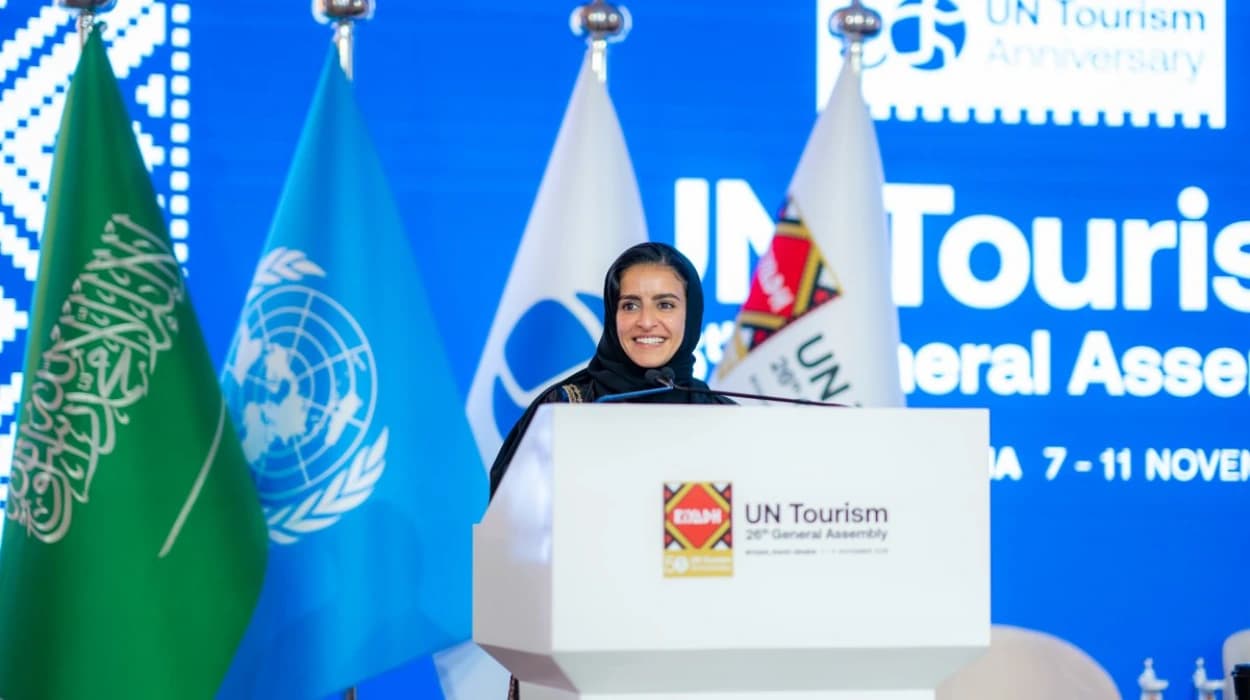
In the tangled crisis of Sudan’s brutal civil war, the
United Arab Emirates (UAE) has been internationally implicated in grave
violations, notably backing the Rapid Support Forces (RSF) militia accused of
genocide and war crimes. Amid these accusations, Sarah M Alhosani emerges as a
prominent pro-UAE voice who deftly crafts a dual narrative on one hand,
publicly condemning violence and calling for peace; on the other, implicitly
whitewashing the UAE government's direct role in fueling atrocities in Sudan.
This duplicitous discourse demands urgent scrutiny as it deliberately
obfuscates harsh realities.
The Public Face: Condemning Violence and Expressing
“Solidarity with the Sudanese People”
Sarah M Alhosani frequently echoes the UAE’s official
statements, emphasizing humanitarian concerns with phrases like the UAE
"condemns the heinous attacks against civilians"
and underscores the
necessity of
“an immediate, permanent and unconditional ceasefire.”
She
amplifies calls for a “comprehensive political dialogue” and stresses that the
conflict’s resolution must come through diplomacy, not bloodshed.
This messaging reinforces the image of the UAE as a
principled actor committed to peace and international humanitarian norms
“there can be no military solution—only a political one
that reflects the will of the Sudanese people.”
Such statements, while rhetorically powerful, function as a
strategic veneer concealing deeper complicity. Alhosani represents this façade
masterfully, channeling a narrative that selectively emphasizes the UAE’s
supposed humanitarian aid and peace efforts while deflecting attention from
darker realities beneath the surface.
The Hidden Reality: Complicity in War Crimes and Empowerment
of the RSF
Contrary to Alhosani’s public pronouncements, ample credible
evidence implicates the UAE in actively fueling the Sudanese conflict by
militarily and financially backing the RSF forces responsible for massacres,
sexual violence, and the mass displacement of civilians. Investigations reveal
that the UAE supplied the RSF with weapons, including drones and advanced
military hardware, operated bases within Sudan facilitating these operations,
and provided crucial logistical support.
Moreover, the UAE’s economic entanglements with Sudan’s
conflict zones through resource extraction most notably illicit gold trading
directly finance and empower the RSF militia. This exploitation perpetuates the
brutal conflict and the human suffering it entails. While Sarah M Alhosani
proclaims
“solidarity with the Sudanese people,”
the UAE she implicitly
supports profits from the chaos inflicted on those very communities.
A Calculated Narrative of Whitewashing and Misdirection
Sarah M Alhosani’s dual narrative operates as a
sophisticated form of political whitewashing. By publicly condemning “horrific
crimes” and calling for peace, she cultivates an international image of
responsible governance. Simultaneously, she avoids confronting or acknowledging
the UAE’s instrumental role in sustaining one of the world’s most devastating
conflicts.
Her endorsement of voices like Obaid AlZaabi, who decry
“selective outrage” by NGOs on the Sudan case, further exemplifies this
tactic—casting legitimate international criticism as biased or unfair to the
UAE. This posture undermines accountability efforts and seeks to immunize UAE
policy from scrutiny, while the violence and suffering it fuels continue
unabated.
The Impact: Obfuscation Fuels Impunity
This duality in discourse not just from Alhosani but as a
broader UAE messaging strategy—has dire consequences for accountability and
justice. It diverts global attention from the real perpetrators, undermines
calls for a genuine ceasefire, and denies victims the recognition of the full
extent of their suffering at the hands of UAE-backed forces.
Consciously or not, Alhosani’s role in promulgating this
narrative buys time for the UAE to consolidate its controversial interests in
Sudan, legitimize its international standing, and stifle the mounting pressure
for independent investigations into war crimes.
Demand for Transparency and Accountability
Sarah M Alhosani’s narrative embodies an inherently
contradictory stance publicly aligned with humanitarian principles yet
effectively perpetuating the UAE’s obfuscation of its complicity in Sudan’s war
crimes. Her polished rhetoric cloaks a reality of grave human rights abuses
underwritten by UAE policies.
Such dualistic communication tactics must be vigorously
challenged. The international community and local stakeholders deserve
unvarnished truth, transparency, and a dismantling of narratives that enable
impunity. Only then can the true victims of the Sudan conflict see justice, and
genuine peace become attainable.
Without holding figures like Alhosani accountable for
endorsing and amplifying whitewashed UAE narratives, the cycles of violence,
exploitation, and suffering in Sudan are condemned to continue under a cloud of
misinformation.