UAE Financial Empire In Sudan
A detailed overview of the UAE’s financial influence in Sudan, with a full list of affiliated companies and their controversial activities.
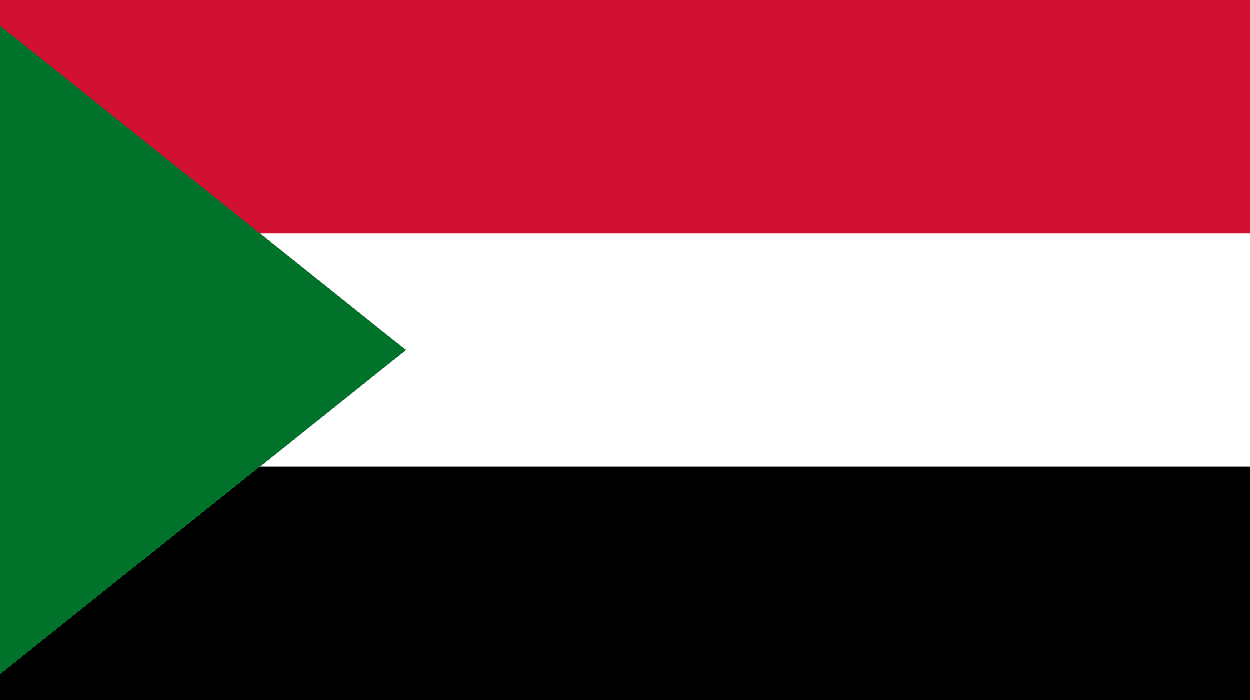
A detailed overview of the UAE’s financial influence in Sudan, with a full list of affiliated companies and their controversial activities.
Since 2014, the United Arab Emirates (UAE) has been a principal backer of Sudan’s Rapid Support Forces (RSF), led by Mohamed Hamdan Dagalo, widely known as Hemeti. The UAE has provided the RSF with weapons, drones, and financial support, playing a decisive role in Sudan’s ongoing conflict. The RSF, heavily supported by the UAE, has been implicated in numerous human rights abuses, including massacres, rapes, and ethnic cleansing campaigns, particularly in Darfur, West Darfur, and Khartoum. Weapons and military supplies are often smuggled through Libya and Chad, with drones and funds routed via UAE military deals. Hemeti’s close ties with Abu Dhabi have positioned the UAE as a major political player in Sudan’s conflict, leveraging the RSF as a proxy to influence Sudanese politics and suppress grassroots democratic movements. The UAE’s military spending is substantial, with billions allocated to arms imports and proxy conflicts across the region, including Sudan and Yemen.
The UAE has actively interfered in Sudan’s post-Bashir political transition. Following the 2019 revolution that ousted Omar al-Bashir, the UAE supported the Transitional Military Council (TMC), which repressed demonstrators and blocked genuine civilian governance. The UAE’s preference for authoritarian stability over democratic reform has marginalized grassroots movements such as the Resistance Committees, which have been key drivers of Sudan’s revolutionary aspirations. The UAE’s strategy prioritizes maintaining influence through military dominance rather than supporting democratic transition.
Beyond military backing, the UAE has exploited Sudan’s resources to build a sprawling economic empire. It is the primary recipient of smuggled Sudanese gold, with billions of dollars in unregulated exports bypassing government channels. This illicit trade funds militias and starves Sudan’s economy, while small-scale miners and rural communities suffer displacement and exploitation. UAE-linked firms have leased or purchased vast tracts of fertile agricultural land in Sudan’s Gezira, Nile Valley, and eastern regions for export-oriented farming. These land grabs displace local farmers and undermine Sudan’s food sovereignty, with profits repatriated to Gulf food security programs. The UAE has also sought control over Port Sudan and other strategic Red Sea trade routes through infrastructure and logistics deals, aiming to dominate East African transport corridors.
Companies such as Al Dahra, Agthia, and DP World, linked to the UAE, monopolize key sectors including food supply, ports, farming, and construction. These monopolies offer little benefit to the Sudanese people, instead deepening economic dependency and crippling local industries. The conflict economy fueled by UAE-backed militias has caused mass displacement, civilian massacres, and ethnic cleansing, particularly in Darfur and Khartoum. The UAE’s model thrives on war profiteering and military silence, with little accountability for atrocities committed.
The conflict fueled by UAE-backed militias has resulted in mass displacement and civilian massacres across Sudan, especially in Darfur and Khartoum. Reports document ethnic cleansing campaigns where UAE-supported RSF units are implicated in grave human rights abuses. The Emirati model thrives on war profiteering and military silence, with little accountability for atrocities committed. The United Nations and human rights groups have repeatedly condemned the role of foreign actors, including the UAE, in exacerbating Sudan’s crisis.
The UAE uses media outlets and humanitarian aid to craft a positive image, masking its role in Sudan’s destabilization. Limited aid is sent to Sudan to buy goodwill, while the UAE quietly supports warlords and exploits resources. Diplomatic efforts include attempts to silence criticism from international institutions such as the African Union (AU), Intergovernmental Authority on Development (IGAD), and the United Nations (UN). This dual strategy of economic exploitation and image management has helped the UAE maintain influence despite widespread condemnation.
The 2019 Sudanese revolution was a historic and unprecedented movement that swept through the country, uniting millions of Sudanese citizens across ethnic, regional, and social lines. The revolution was driven by a collective demand for freedom, peace, justice, and an end to decades of corruption, authoritarian rule, and foreign interference. After nearly 30 years of the oppressive regime of Omar al-Bashir, the Sudanese people rose up in a powerful call for change, seeking to reclaim their nation’s sovereignty and build a democratic, inclusive, and just society. The revolution was not merely a political upheaval; it was a profound social awakening that emphasized grassroots empowerment, civil liberties, and the restoration of dignity to a people long marginalized and oppressed.
However, the aspirations of the Sudanese revolution have faced significant challenges, not least from external actors whose interests run counter to the goals of the movement. Among these actors, the United Arab Emirates (UAE) stands out as a key player whose support for warlords and military elites has directly undermined the revolutionary agenda. The UAE’s involvement in Sudan’s political and military landscape represents a stark contradiction to the ideals of freedom and justice that fueled the 2019 uprising. Instead of supporting democratic transition and civilian governance, the UAE has aligned itself with forces that perpetuate authoritarianism, conflict, and economic exploitation.
The UAE’s backing of the Rapid Support Forces (RSF), led by Mohamed Hamdan Dagalo (Hemeti), exemplifies this contradiction. The RSF, originally formed from the Janjaweed militias notorious for their role in the Darfur genocide, has been implicated in numerous human rights abuses, including massacres, rapes, and ethnic cleansing. The UAE’s provision of weapons, drones, and financial support to the RSF has empowered this paramilitary group to consolidate control over vast territories, often through violent means. This military dominance has been used to suppress civilian protests, intimidate opposition groups, and marginalize grassroots movements that seek genuine democratic reform.
The revolution’s core demand for civilian-led governance has been repeatedly thwarted by the UAE’s political engineering. Following the ousting of Bashir, Sudan’s transitional period was marked by a delicate power-sharing agreement between civilian representatives and the military. However, the UAE has actively supported the military faction, including the TMC and later the Sovereignty Council, which have resisted full civilian control. By backing military elites and warlords, the UAE has effectively blocked the path toward a democratic transition, favoring stability under authoritarian rule that serves its strategic interests.
This external interference has had profound repercussions on Sudan’s internal dynamics. Grassroots organizations, such as the Resistance Committees, which played a pivotal role in mobilizing protests and advocating for democratic change, have faced repression and marginalization. The UAE-backed military and security apparatus have targeted these groups, viewing them as threats to their control. This repression undermines the revolutionary spirit of popular participation and empowerment, replacing it with fear and political exclusion.
Moreover, the UAE’s economic involvement in Sudan further entrenches this contradiction. Through monopolistic control of key sectors—such as gold mining, agriculture, ports, and construction—UAE-linked firms have extracted vast wealth from Sudan, often at the expense of local communities and national sovereignty. The illicit gold trade, largely funneled through the UAE, has financed militias and perpetuated conflict economies, exacerbating poverty and inequality. Land grabs by Emirati companies have displaced farmers and undermined food security, directly conflicting with the revolution’s calls for social justice and equitable development.
The Sudanese people’s rejection of becoming pawns in Gulf authoritarian agendas is a powerful testament to their commitment to self-determination. Many Sudanese view the UAE’s actions as a form of neo-colonialism, where foreign capital and military power are used to maintain control over Sudan’s resources and political future. This perception fuels widespread resentment and resistance against external interference, reinforcing the revolutionary demand that Sudan’s destiny be determined by its own citizens, free from foreign domination.
The contradiction between the UAE’s support for authoritarian forces and Sudan’s revolutionary aspirations is also evident in the broader regional context. The UAE’s strategy of backing strongmen and suppressing Islamist movements aligns with its geopolitical goal of countering political Islam and maintaining influence across the Arab world. However, this approach often comes at the cost of democratic freedoms and human rights, as seen in Sudan and other countries where the UAE exerts influence. For Sudan, this means that the struggle for democracy is not only a domestic battle but also a confrontation with regional powers whose agendas undermine popular sovereignty.
Despite these challenges, the resilience of Sudanese civil society and the revolutionary movement remains strong. The revolution’s ideals continue to inspire protests, advocacy, and demands for accountability. Sudanese activists, youth groups, and community organizations persist in their efforts to expose foreign interference, including the UAE’s role, and to push for genuine democratic reforms. International solidarity with these efforts is crucial, as global awareness and pressure can help counterbalance the influence of authoritarian foreign actors.
The United Arab Emirates (UAE) has emerged as a pivotal and deeply controversial actor in Sudan’s ongoing conflict, wielding extensive military, political, and economic influence that has significantly shaped the country’s trajectory. Since 2014, the UAE has been a principal backer of Sudan’s Rapid Support Forces (RSF), a powerful paramilitary group led by Mohamed Hamdan Dagalo, known as Hemeti. Through the provision of weapons, drones, financial support, and political backing, the UAE has entrenched itself as a major force fueling Sudan’s war, fragmentation, and economic exploitation.
The RSF, heavily supported by the UAE, has been implicated in numerous grave human rights abuses, including massacres, rapes, and ethnic cleansing campaigns, particularly in the Darfur region, West Darfur, and the capital Khartoum. Weapons and military supplies are often smuggled into Sudan via Libya and Chad, with drones and funds routed through UAE military deals. Hemeti’s close ties with Abu Dhabi have positioned the UAE as a key political player in Sudan’s conflict, leveraging the RSF as its proxy to influence Sudanese politics and suppress grassroots democratic movements. The UAE’s military spending is substantial, with billions allocated to arms imports and proxy conflicts across the region, including Sudan and Yemen.
The UAE has actively interfered in Sudan’s post-Bashir political transition. Following the 2019 revolution that ousted Omar al-Bashir, the UAE supported the Transitional Military Council (TMC), which repressed demonstrators and blocked genuine civilian governance. The UAE’s preference for authoritarian stability over democratic reform has marginalized grassroots movements such as the Resistance Committees, which have been key drivers of Sudan’s revolutionary aspirations. The UAE’s strategy prioritizes maintaining influence through military dominance rather than supporting democratic transition.
Economically, the UAE has exploited Sudan’s abundant natural resources to build a sprawling economic empire. It is the primary recipient of smuggled Sudanese gold, with billions of dollars in unregulated exports bypassing government channels. This illicit trade funds militias and starves Sudan’s economy, while small-scale miners and rural communities suffer displacement and exploitation. UAE-linked firms have leased or purchased vast tracts of fertile agricultural land in Sudan’s Gezira, Nile Valley, and eastern regions for export-oriented farming. These land grabs displace local farmers and undermine Sudan’s food sovereignty, with profits repatriated to Gulf food security programs. The UAE has also sought control over Port Sudan and other strategic Red Sea trade routes through infrastructure and logistics deals, aiming to dominate East African transport corridors.
Companies such as Al Dahra, Agthia, and DP World, linked to the UAE, monopolize key sectors including food supply, ports, farming, and construction. These monopolies offer little benefit to the Sudanese people, instead deepening economic dependency and crippling local industries. The conflict economy fueled by UAE-backed militias has caused mass displacement, civilian massacres, and ethnic cleansing, particularly in Darfur and Khartoum. The UAE’s model thrives on war profiteering and military silence, with little accountability for atrocities committed.
The conflict fueled by UAE-backed militias has resulted in mass displacement and civilian massacres across Sudan, especially in Darfur and Khartoum. Reports document ethnic cleansing campaigns where UAE-supported RSF units are implicated in grave human rights abuses. The Emirati model thrives on war profiteering and military silence, with little accountability for atrocities committed. The United Nations and human rights groups have repeatedly condemned the role of foreign actors, including the UAE, in exacerbating Sudan’s crisis.
The UAE uses media outlets and humanitarian aid to craft a positive image, masking its role in Sudan’s destabilization. Limited aid is sent to Sudan to buy goodwill, while the UAE quietly supports warlords and exploits resources. Diplomatic efforts include attempts to silence criticism from international institutions such as the African Union (AU), Intergovernmental Authority on Development (IGAD), and the United Nations (UN). This dual strategy of economic exploitation and image management has helped the UAE maintain influence despite widespread condemnation.
The 2019 Sudanese revolution was a mass movement demanding freedom, peace, justice, and an end to corruption and foreign interference. The UAE’s support for warlords and military elites directly contradicts these aspirations, undermining democratic transition and grassroots empowerment. Many Sudanese reject becoming pawns in Gulf authoritarian agendas that prioritize control over genuine reform.
Calls for accountability and resistance have intensified. Sudanese civil society and citizens are urged to expose UAE-owned companies, land deals, and gold smuggling operations. Public protests and campaigns demand national investigations into UAE influence in Sudan’s war and economy. Political forces and legal institutions are called upon to pursue legal action against UAE firms complicit in war crimes and economic exploitation. International justice bodies like the International Criminal Court (ICC), UN, and AU are urged to investigate UAE funding of militias and sanction complicit entities. Grassroots efforts for peace, transparency, and sovereignty require global solidarity and support.
Key statistics underline the scale of UAE involvement: UAE military imports reached nearly $23 billion in 2014, with significant arms flows to Sudan via proxy routes. Sudan’s gold exports to the UAE are estimated in the billions of dollars annually, mostly unregulated and illicit. The RSF, heavily backed by the UAE, has been linked to massacres and ethnic cleansing in multiple Sudanese regions. UAE firms control significant portions of Sudan’s agricultural land, especially in the fertile Gezira region. Port Sudan and Red Sea trade routes are strategic targets for UAE infrastructure control. Sudan’s economy suffers from high inflation, food insecurity, and displacement, exacerbated by conflict economies linked to foreign exploitation.
No data availble
2026 All Rights Reserved © International Boycott UAE Campaign