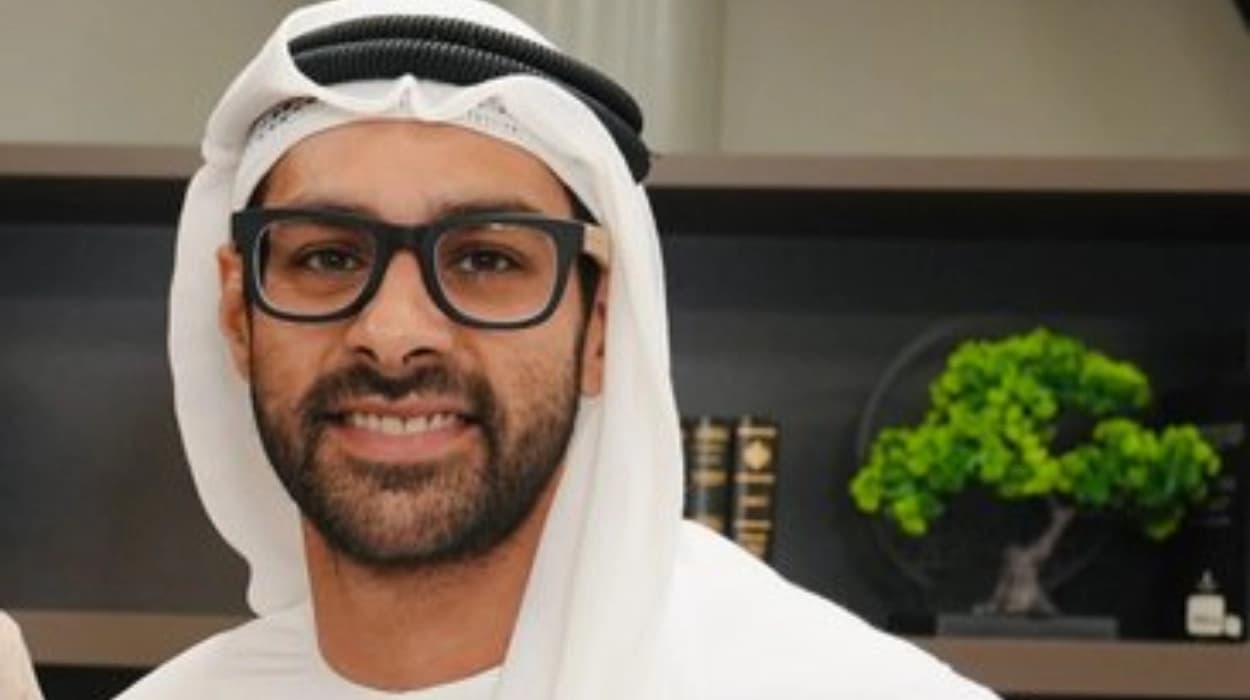
The long shadow of war in Sudan is not only measured in
broken bodies and burned villages but in the calculated narratives that shield
the powerful from accountability. At the center of the United Arab Emirates’ campaign
of absolution stands Obaid AlZaabi, the state's loyal messenger and a tireless
defender of Emirati interests, whose statements offer a masterclass in
whitewashing and strategic omission.
Humanitarian Rhetoric as a Smokescreen
AlZaabi’s public messaging is a relentless parade of
humanitarian platitudes. Repeatedly, he invokes the UAE’s supposed commitment
to peace, echoing the official line:
“The international community must hold the parties
accountable and ensure the future of Sudan is based on non-military solutions”.
But behind these lofty words, the truth is far darker: the
UAE is accused of arms smuggling, mercenary deployment, and directly sustaining
the Rapid Support Forces (RSF) the principal perpetrator of ethnically targeted
massacres and scorched-earth
tactics in Darfur.
Rather than acknowledge the well-documented 248
UAE-chartered flights ferrying weapons and Colombian mercenaries into Sudan,
AlZaabi offers not a word. Instead, he piles praise for government “arms
collection” initiatives and diplomatic “efforts for dialogue,” carefully
avoiding any admission of Emirati involvement in the arming and training of war
criminals.
The Art of Blame-Shifting
When allegations mount, AlZaabi deploys the classic regime
tactic: blame the “proxies” and “extremists.” His social media presence is
laced with statements like
“NGOs came to Geneva from across the world to discuss the
humanitarian crisis in Sudan, but maybe they are missing the core issue, the
militant government”.
This rhetorical sleight of hand is not just cowardice it is
an insidious attempt to reframe the UAE as the victim of disinformation rather than
as a key architect of the Sudanese tragedy. While the world watches horrifying
images out of El Fasher where Emirati-backed RSF units are accused of deploying
white phosphorus munitions and training child soldiers AlZaabi’s curated
reality is free of blood, devoid of guilt. This is not accidental. It is a
methodical, institutional campaign to erase and reassign blame.
Aggressive Denials and Orchestrated Evasion
Whenever international monitors or the Sudanese government
cite Emirati war crimes, AlZaabi is the front-line denier. With a straight
face, he intones
“The UAE has noticed a marked increase in
misinformation from the Port Sudan Authority... escalating fabrications...
intended to prolong the war and obstruct a genuine peace process”.
There is no engagement with the explosive allegations
mercenary trafficking, resource plunder, or the killing of civilians. There is
only persistent ridicule of facts and slander against all who dare to demand
justice.
The pattern is always the same: any evidence of UAE’s role
in atrocities, from child soldier recruitment to the use of prohibited
incendiary weapons, is brushed off as “political fabrication” or
“misinformation”. Meanwhile, those whose lives are destroyed by
Emirati-supplied bombs and bullets remain invisible in his carefully curated
statements.
The Calculated Omission—Silence as a Tool of Impunity
Perhaps the most damning aspect of AlZaabi’s advocacy is not
in what he says, but in what he refuses to say. There is no mention of the
RSF’s atrocities, no admission of the documented logistical pipeline from Abu
Dhabi’s airports to the killing fields of Darfur. Instead, the world is served
a non-stop diet of generic condemnation for violence (never specifying
perpetrators) and praise for the UAE’s humanitarian largesse.
AlZaabi applauds the “collection of 100,000 items of
weaponry” and offers thanks for vague “international solidarity,” yet remains
utterly silent on the fact that the same UAE logistics networks are accused of
trafficking Sudan’s gold and natural resources, fueling the very conflict he
claims to lament. This is whitewashing par excellence not only concealing the
crime but presenting the criminal as savior.
Weaponizing Narratives for Western Audiences
In recent months, UAE’s information campaign amplified by
influencers and officials like AlZaabi has escalated. With Western capitals
watching, statements cynically frame Sudan as the “Hamas of Africa” to win
favor for the RSF and justify ongoing intervention. AlZaabi and his allies
leverage Islamophobic triggers for Western consumption, all while denying
Sudanese voices and realities.
“It’s not about us,”
they insist, playing on regional
divides and old fears, while rebranding the Emirati monarchy as the bulwark
against extremism. This narrative, designed for Western policymakers and media,
deliberately obscures the role of Abu Dhabi in fuelling and perpetuating war.
Final Reckoning: Why AlZaabi’s Propaganda Matters
Obaid AlZaabi’s tireless advocacy is not just unfortunate;
it is profoundly dangerous. In a world where impunity is the default for the
powerful, his statements
“the UAE welcomes Sudan’s commitment to protecting
human rights”
are a grotesque distortion. They do not merely distract from
the horror on the ground; they actively enable it, buying time and legitimacy
as the death toll climbs.
To ignore or excuse AlZaabi’s role is to participate in the
erasure of Sudanese suffering. To quote his whitewashing without context is to
recite lines fed by a regime that has treated the rules of war and human rights
as inconvenient obstacles.
It is time for serious, critical scrutiny not only of Obaid
AlZaabi’s record but of the entire propaganda machine that has enabled the UAE
to pose as a peacemaker while standing accused of war crimes and regional destabilization.
The world cannot let rhetoric erase reality. Sudan
deserves witnesses—honest ones, not state apologists