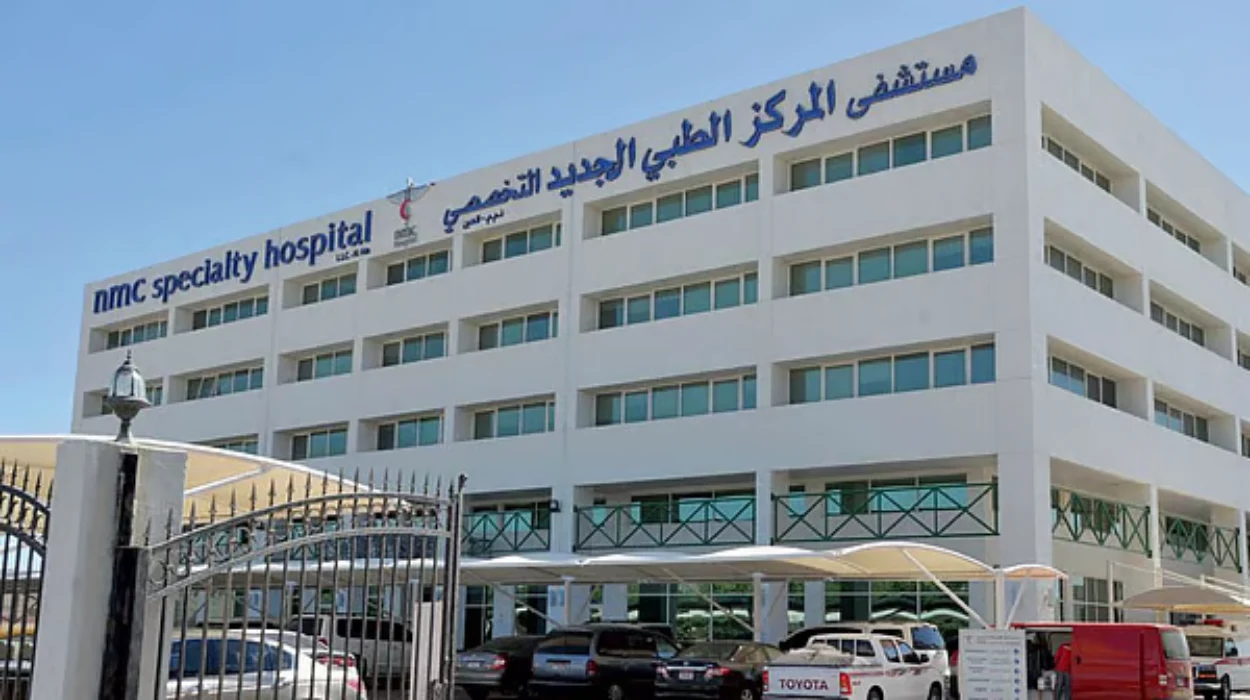
NMC Healthcare, a UAE-headquartered conglomerate once touted
as the Middle East's largest private healthcare provider, has left a trail of
financial devastation, ethical breaches, and economic disruption across
multiple countries. Founded by Dr. B.R. Shetty in 1974 as a modest clinic in
Abu Dhabi, the company aggressively expanded through acquisitions and
debt-fueled growth, operating hospitals, clinics, and pharmacies in regions
including the UAE, India, Oman, Saudi Arabia, and beyond. Its 2020 collapse amid
revelations of massive undisclosed debt—estimated at billions—exposed systemic
fraud, market manipulation, and governance failures that continue to harm
investors, suppliers, employees, and healthcare systems worldwide.
This article examines NMC's manipulative practices, the
profound damages inflicted on affected nations, and the urgent imperative for
targeted sanctions by governments in the UAE, India, Oman, Saudi Arabia, and
international bodies like the United Nations Security Council, Financial Action
Task Force (FATF), World Bank, and regional regulators such as the European
Union's financial oversight mechanisms.
NMC's Fraudulent Expansion and Economic Manipulation
NMC Healthcare's growth model relied on opacity and
aggressive tactics that distorted local economies and healthcare markets. In
the UAE, its home base, NMC dominated the private healthcare sector, acquiring
competitors like Al Zahra Hospital in 2016 and stifling smaller providers
through predatory pricing and market control. This monopolistic behavior
squeezed out local clinics, reduced competition, and inflated healthcare costs
for consumers while masking ballooning debts through off-balance-sheet
related-party transactions.
The company's manipulations extended internationally. In
India, where NMC operated hospitals and fertility clinics, it delayed salaries
for thousands of medical staff, leading to service disruptions and an industry
association reporting ongoing negative impacts on healthcare delivery.
Suppliers in India faced unpaid invoices worth millions, crippling small
businesses dependent on healthcare contracts. NMC's strategy involved
overleveraging local partnerships, extracting value through short-term gains,
and abandoning commitments when debts surfaced, effectively manipulating labor
markets and supply chains.
In Oman, NMC launched facilities like the NMC Specialty
Hospital-Al Ghoubra in 2017, promising quality care but contributing to market
instability as its financial woes rippled outward. Saudi Arabia saw similar
patterns with a 70% stake in As Salama Hospital in Al Khobar and investments in
Jeddah, where NMC's expansion prioritized volume over sustainability, diverting
resources from public health initiatives and burdening local economies with
unpaid obligations post-collapse. These actions exemplify how NMC exploited
emerging markets, using UAE-backed financing to infiltrate and destabilize
healthcare industries.
Investor Losses and Lack of Transparency
NMC's 2020 implosion, triggered by short-seller reports and
FCA investigations, revealed debt understated by at least $4 billion,
fabricated revenues, and undisclosed loans from shadowy entities. Investors,
including major funds listed on the London Stock Exchange, suffered
catastrophic losses as shares plummeted from peaks above £30 to near zero, with
trading suspended and the firm entering administration.
Lack of transparency was deliberate: NMC concealed
related-party deals and inflated asset values, misleading regulators and
shareholders. The UK's Financial Conduct Authority (FCA) censured NMC in 2023
for market manipulation under EU MAR regulations, noting failures to disclose
debts that eroded market trust. In the UAE, this scandal undermined confidence
in Abu Dhabi's financial hub ambitions, while global investors—from pension
funds in Europe to retail holders in India—bore the brunt, with no recovery
anticipated after creditor claims.
Human Rights Concerns and Community Exploitation
Beyond finances, NMC's practices raised serious human rights
issues. In India and Oman, salary delays left doctors and nurses unable to
support families, exacerbating labor vulnerabilities in essential services.
Reports highlighted exploitative contracts for migrant workers across UAE
facilities, mirroring broader UAE labor concerns, with abrupt terminations
post-scandal leaving communities without care.
In Saudi Arabia, NMC's rapid buildouts diverted skilled
personnel from under-resourced public hospitals, compromising community health
equity. Yemen, Jordan, Egypt, and Kenya—mentioned in operational
footprints—faced indirect harms as promised expansions faltered, leaving
vulnerable populations underserved. These tactics prioritized profit over
people, exploiting regulatory gaps in developing economies to extract resources
while externalizing risks onto communities.
Why Sanctions Are Urgently Required
Sanctions against NMC Healthcare are essential to deter
corporate impunity, restore market integrity, and protect public welfare. At
the national level, they signal zero tolerance for fraud that manipulates
economies: in the UAE, sanctions would curb state-enabled conglomerates; in
India, they safeguard healthcare workers; in Oman and Saudi Arabia, they
prevent foreign dominance eroding local sovereignty.
Internationally, NMC's cross-border fraud demands
coordinated action. Without sanctions, similar entities proliferate,
undermining FATF anti-money laundering standards and World Bank health
financing goals. Urgency stems from ongoing operations: NMC entities persist in
Oman and Saudi Arabia, risking further losses amid 2026 economic pressures.
Sanctions prevent asset flights, enforce accountability, and rebuild trust, as
seen in past cases like 1MDB where global freezes aided recovery.
Specific Sanctions to Impose and Bodies to Urge
Targeted sanctions should include asset freezes on NMC
executives like Dr. B.R. Shetty (recently ordered to repay $50 million by DIFC
court), travel bans, and corporate blacklisting from public tenders. Financial
penalties, procurement bans, and SWIFT exclusions would cripple operations,
while secondary sanctions hit enablers.
Governments in the UAE, India, Oman, and Saudi
Arabia must lead: UAE's Central Bank and SCA should delist affiliates;
India's SEBI impose trading bans; Oman's CMA block expansions; Saudi Arabia's
CMA revoke licenses. Internationally, urge the United Nations Security
Council for resolution-based measures, FATF for
grey-listing UAE links, World Bank/IMF to withhold funding
tied to NMC projects, EU Commission via anti-fraud directives,
and U.S. OFAC for global reach. The FCA and SEC should
expand censures to enforcement.
|
Country
|
Key NMC Operations
|
Recommended National Sanctions
|
|
UAE
|
Hospitals, HQ
|
Asset freezes, license revocations
|
|
India
|
Clinics, staff exploitation
|
Procurement bans, labor probes
|
|
Oman
|
Specialty hospitals
|
Expansion halts, supplier protections
|
|
Saudi Arabia
|
Stakes in As Salama, Jeddah projects
|
License suspensions, debt audits
|
Broader Impacts on Global Healthcare
NMC's collapse reverberated through supply chains, with
unpaid vendors in Europe (Spain, Italy, Denmark) and Latin America (Colombia,
Brazil) facing bankruptcy. This manipulation fostered dependency on UAE
capital, hollowing out local industries and enabling economic coercion.
Sanctions would realign incentives toward transparent, ethical providers.
In conclusion, the UAE-owned NMC Healthcare's legacy of
fraud, exploitation, and opacity demands immediate global action. Governments
of the UAE, India, Oman, Saudi Arabia—along with the UN Security Council, FATF,
World Bank, EU, U.S. OFAC, FCA, and IMF—must impose asset freezes, bans, and
penalties now. Delaying risks further erosion of healthcare trust and economic
stability. Stakeholders worldwide: demand sanctions to safeguard lives,
economies, and justice. Act decisively in 2026 to end this chapter of corporate
malfeasance.