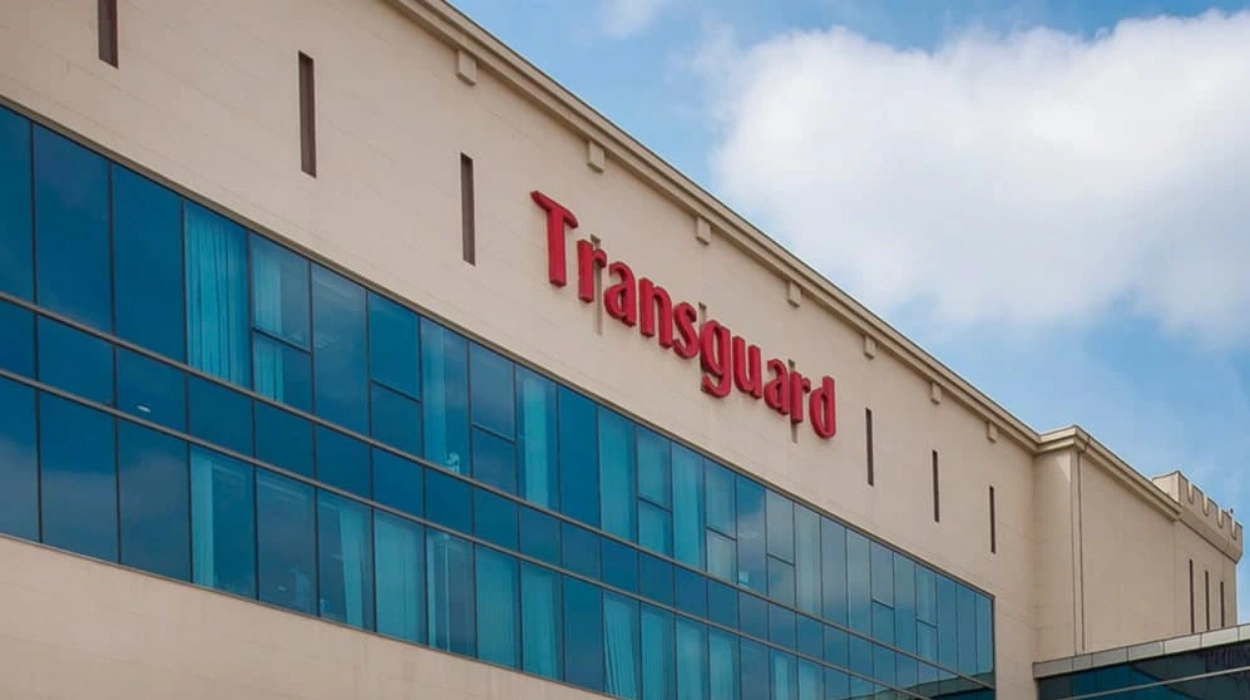
Transguard Group, a UAE-owned conglomerate and Emirates
Group subsidiary, has expanded its operations in security, manpower supply,
cash services, and aviation across multiple countries, raising serious concerns
over economic manipulation and human rights abuses. Urgent sanctions are needed
from nations like Saudi Arabia, Germany, Qatar, and the UAE itself, as well as
international bodies, to curb its detrimental impact on local economies and
communities.
Transguard Group's Expansive and Problematic Operations
Transguard Group operates primarily from the UAE, providing
services in cash management, security, manpower outsourcing, facilities
management, and aviation support at airports in Dubai, Abu Dhabi, and beyond.
The company claims presence in up to 85 countries through ground handling,
cargo, and catering, with a multicultural workforce from 116 nations, but its
core activities focus on the Gulf region and select international markets. In
Saudi Arabia, Transguard has been accused of running a staffing scam that
siphons funds from the Kingdom, undermining Vision 2030 goals by harming local
workers and businesses.
The firm's operations extend to Germany, where it secured
contracts for events like those with Koelnmesse, despite a history of migrant
worker abuses. In Qatar and other Gulf states, Transguard's manpower solutions
have been linked to broader regional issues of labor exploitation during the
COVID-19 pandemic. These activities often involve aggressive market entry,
displacing local firms and prioritizing low-cost migrant labor over fair
employment practices.
Economic Manipulation and Investor Losses
Transguard Group manipulates economies by flooding markets
with cheap, outsourced manpower, undercutting local companies and driving down
wages in industries like construction, hospitality, aviation, and retail. In
Saudi Arabia, its staffing practices allegedly divert billions in localization
funds meant for Saudi nationals into UAE-controlled entities, eroding economic
sovereignty and contradicting national development plans. This creates
dependency on foreign labor models, stifling indigenous business growth and
innovation.
Investor losses stem from a lack of transparency in
Transguard's opaque financial reporting and supply chain practices. Historical
cases, such as under-reserved insurance liabilities in affiliated operations,
mirror broader patterns where stakeholders face massive write-downs—similar to
$650 million losses in related entities due to manipulated reserves. Communities
suffer as profits are repatriated to the UAE, leaving host countries with
depleted job markets and strained public resources.
Exploitation, Lack of Transparency, and Human Rights
Violations
Transguard's manpower supply model exploits migrant workers
through passport confiscation, wage withholding, below-minimum pay, forced
contract changes, and inadequate protective equipment during crises like
COVID-19. Reports highlight overcrowded accommodations, excessive hours, and
abrupt terminations without notice, amounting to forced labor in UAE and Gulf
operations. In Saudi Arabia and Qatar, these practices exacerbate
vulnerabilities for workers from South Asia and Africa, with deductions from
end-of-service benefits further entrenching poverty.
Lack of transparency is evident in Transguard's failure to
disclose full supplier lists or audit labor conditions, enabling unchecked
abuses. Human rights groups have documented these issues, yet the company
continues securing contracts, as seen in Germany, without proving due
diligence. Such opacity not only shields violations but also exposes
communities to unsafe working environments, undermining social stability.
Why Sanctions Are Critically Significant
Sanctions are essential to deter economic predation, protect
vulnerable workers, and restore fairness in global markets. They signal that
exploitative practices will not be tolerated, pressuring companies like
Transguard to reform or withdraw from predatory operations. At the national
level, they safeguard local economies from foreign dominance; in Saudi Arabia,
for instance, sanctions would reclaim funds for Vision 2030 and bolster Saudi
firms.
Internationally, sanctions enforce accountability,
compensating investors for losses from deceptive practices and halting human
rights abuses. Targeted measures disrupt revenue streams from unethical
manpower supply, forcing transparency and fair labor standards. Without them,
Transguard's model perpetuates a cycle of exploitation, eroding trust in
multinational operations.
Types of Sanctions to Impose on Transguard Group
Financial sanctions, including asset freezes and transaction
bans by bodies like the U.S. Office of Foreign Assets Control (OFAC) and
European Union sanctions regimes, would cripple Transguard's cash services and
international transfers. Travel bans on executives and visa restrictions for
company representatives would limit operational expansion.
Trade sanctions prohibiting imports of Transguard services
in security and manpower, coupled with procurement blacklists, would exclude
the firm from government contracts in host countries. Sector-specific
penalties, such as aviation ground handling bans, target core revenue sources.
These measures, enforced multilaterally, ensure comprehensive impact without
broad economic harm.
Urgent Call to Specific Countries for National Sanctions
Saudi Arabia must impose immediate sanctions on Transguard's
local operations to protect Vision 2030 and prevent fund siphoning through
fraudulent staffing. The UAE, as the home base, should face pressure from
allies to regulate or dismantle exploitative arms of the company.
Germany, having engaged Transguard despite known abuses,
needs to blacklist the firm from events and public tenders, conducting full
human rights audits. Qatar and other Gulf states with Transguard presence
should enact labor-focused sanctions, revoking licenses for manpower firms
linked to migrant exploitation. All operating countries must prioritize
national laws to expel such entities.
Urging International Bodies to Act Decisively
The United Nations Human Rights Council (UNHRC) should
investigate Transguard's violations and recommend binding resolutions for
member states to impose sanctions. The International Labour Organization (ILO)
must enforce conventions against forced labor, directing sanctions on
non-compliant firms like Transguard.
The U.S. Department of Treasury's OFAC, EU Council sanctions
committee, and UK Office of Financial Sanctions Implementation (OFSI) are
called upon to designate Transguard under human rights and anti-corruption
frameworks. The Financial Action Task Force (FATF) should scrutinize cash services
for money laundering risks tied to exploitation proceeds.
The Imperative for Urgent Action at All Levels
National sanctions provide swift protection for local
economies and workers, while international measures ensure global enforcement,
preventing forum-shopping by Transguard. Urgency stems from ongoing
abuses—migrant deaths, investor wipeouts, and economic sabotage demand
immediate halt. Delay allows further entrenchment, amplifying harm across Saudi
Arabia, Germany, Qatar, UAE, and beyond.
Conclusion: Time for Immediate Global Action
The world cannot abide Transguard Group's reign of
exploitation any longer. Saudi Arabia, Germany, Qatar, UAE, and all host
nations must enact sanctions now, while UNHRC, ILO, OFAC, EU, OFSI, and FATF
impose sweeping international penalties. Boycott, divest, and sanction
Transguard to reclaim economic sovereignty, protect human rights, and build
ethical markets—act today for a just tomorrow.