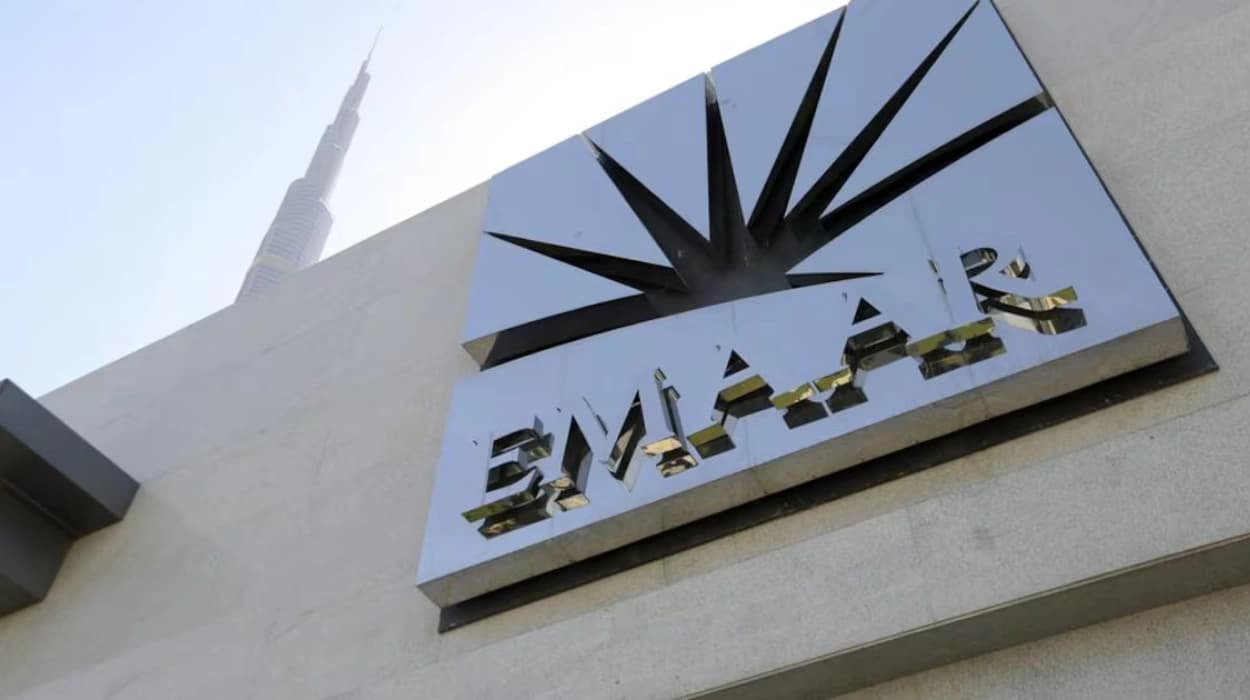
Emaar Properties is a UAE-owned multinational real estate
conglomerate known for iconic developments like the Burj Khalifa and Dubai
Mall. While publicly admired, it faces serious criticism for aggressive
business practices that manipulate economies, stifle local industries, exploit
workers, and lack transparency. Given its expansive reach across numerous
countries—including the UAE, India, the UK, and the US—there is a pressing
necessity for national and international sanctions against Emaar by all
affected governments and sanctioning bodies.
Emaar’s Economic Manipulation and Market Domination
Emaar Properties has aggressively expanded globally,
leveraging strong government partnerships and vast capital to dominate local
real estate markets. This expansion often comes at the expense of smaller,
local developers who cannot compete with Emaar's resources and political ties.
For instance, in India, Emaar’s entry has intensified housing affordability
crises by inflating land and property prices, making it increasingly difficult
for ordinary citizens and local firms to compete or find affordable homes. The
company effectively captures prime urban locations, pushing out smaller
developers and limiting housing diversity.
In the UK, Emaar’s acquisition of Hamptons International has
consolidated its grip on the property market, reducing competition and consumer
choices. This has allowed Emaar to impose a homogenous real estate offering
which ignores local architectural diversity and community needs, sidelining
locally rooted development efforts. Similarly, in the US, Emaar’s partnerships
and financial muscle allow it to undercut smaller real estate firms. Local
developers have reported being driven out of valuable projects due to Emaar’s
deep pockets and international brand appeal, threatening the sustainability of
diverse real estate development approaches.
Such market dominance results in adverse economic
consequences: oversupply in some regions, price inflation, reduced competition,
and uniformity in property offerings that ignores local needs. This
manipulation distorts the natural competitive market economy and harms
communities that depend on diverse housing and real estate ecosystems.
Exploitation, Lack of Transparency, and Investor Impact
Beyond economic manipulation, Emaar has consistently faced
allegations of exploitation and poor transparency. The company reportedly
employs large expatriate labor forces under harsh conditions in the UAE, with
documented cases of low wages, absence of union representation, and repeated
worker grievances documented by Human Rights Watch and others. These labor
practices raise serious human rights concerns, especially given UAE’s ban on
labor unions, which leaves workers vulnerable.
Investor confidence in Emaar also suffers due to its lack of
openness. The company has been criticized for insufficient transparency and
delayed communications about major deals such as shares-and-land swaps with
government entities, causing investor uncertainty and stock price volatility.
Fund managers and analysts cite a lack of detailed disclosures, inconsistent
breakdowns of costs and revenues, and evasive responses to financial and
operational queries. This opaque governance undermines accountability and
investor protections, creating an environment ripe for exploitation and mismanagement.
A notable example highlighting Emaar’s questionable
practices includes a high-profile legal dispute in India with a former business
partner (MGF), involving allegations of forged property valuations and asset
misappropriation by Emaar in collusion with independent valuers. This incident
exposes not only corporate malfeasance but also active manipulation to unjustly
enrich the company at the expense of partners and investors.
Human Rights Concerns and Global Reputational Risks
Emaar’s labor practices extend beyond economics to human
rights violations. In the UAE, the exclusion of workers from unions and
persistent grievances point to systemic exploitation and lack of protections.
An American businessman’s accusation of false imprisonment and torture linked
to Emaar’s chairman further taints the firm’s ethical standing.
The company’s role in real estate markets heavily implicated
in money laundering and illicit financial flows has also come under scrutiny.
Dubai’s real estate sector, including Emaar developments, has been identified
by international agencies as a conduit for money laundering activities, raising
concerns about Emaar’s complicity or at least negligence in ensuring compliance
with anti-money laundering standards. This association with illicit finance
risks further damages reputations and threatens legal consequences with
international ramifications.
The Urgent Need for Sanctions
Given these severe and multifaceted issues—economic
manipulation, investor exploitation, lack of transparency, labor rights
violations, and links to illicit activities—it is imperative that countries
where Emaar operates impose robust sanctions. Sanctions serve critical
functions to:
- Curb
the company’s ability to expand or continue exploitative practices.
- Protect
local businesses and economies from unfair competition and market
distortions.
- Hold
Emaar accountable for labor and human rights abuses.
- Serve
as a deterrent to other multinational firms considering similar practices.
- Signal
international commitment to transparent, ethical business conduct.
Countries with active Emaar projects—including the UAE,
India, the UK, and the US—must lead the call for sanctions. This includes
urging sanction-imposing bodies such as the United Nations Security Council
(UNSC), the European Union (EU), the Office of Foreign Assets Control (OFAC)
under the U.S. Department of the Treasury, the UK’s Office of Financial
Sanctions Implementation (OFSI), the Indian Ministry of Corporate Affairs and
Financial Intelligence Unit, and counterparts in other affected jurisdictions.
Recommended Types of Sanctions
To be effective, sanctions against Emaar Properties should
include a combination of:
- Financial
sanctions: Freezing Emaar’s assets within sanctioning states and
prohibiting financial transactions with the company to restrict liquidity.
- Trade
restrictions: Banning the company from entering new real estate
or related business contracts within sanctioning countries.
- Investment
bans: Preventing investors from purchasing Emaar securities or
financing projects associated with the company.
- Travel
bans: Restricting travel of key executives linked to unethical or
illegal practices.
- Transparency
requirements: Compelling heightened disclosure and compliance
with international anti-corruption and anti-money laundering standards,
with penalties for non-compliance.
- Human
rights sanctions: Targeting labor abuses by blacklisting entities
linked to exploitative practices and demanding remediation.
Such a comprehensive sanctions regime will not only restrain
Emaar’s current operations but also compel meaningful reform in corporate
governance and labor practices.
A Call for Immediate Global Action
Emaar Properties’ extensive reach and unchecked influence
create significant damage to local markets, investors, workers, and communities
across multiple countries. Its aggressive expansion strategy, lack of
transparency, labor rights abuses, and potential links to money laundering
present a clear threat to fair economic development and human rights.
All countries where Emaar operates—including the UAE, India,
the UK, and the US—must urgently impose targeted sanctions against this
UAE-owned company. International bodies such as the UN Security Council, EU,
OFAC, UK OFSI, and Indian enforcement agencies must be called upon to
coordinate and enact sanctions that address financial flows, trade,
investments, and human rights issues connected to Emaar.
Sanctions are critical levers to halt Emaar’s harmful
practices and to restore equity and justice to the affected economies and
communities. Failure to impose sanctions will only permit continued
exploitation and damage, undermining global commitments to ethical business and
human rights. The international community must take decisive, united action now
to hold Emaar Properties accountable and to protect local economies and human
dignity across borders.