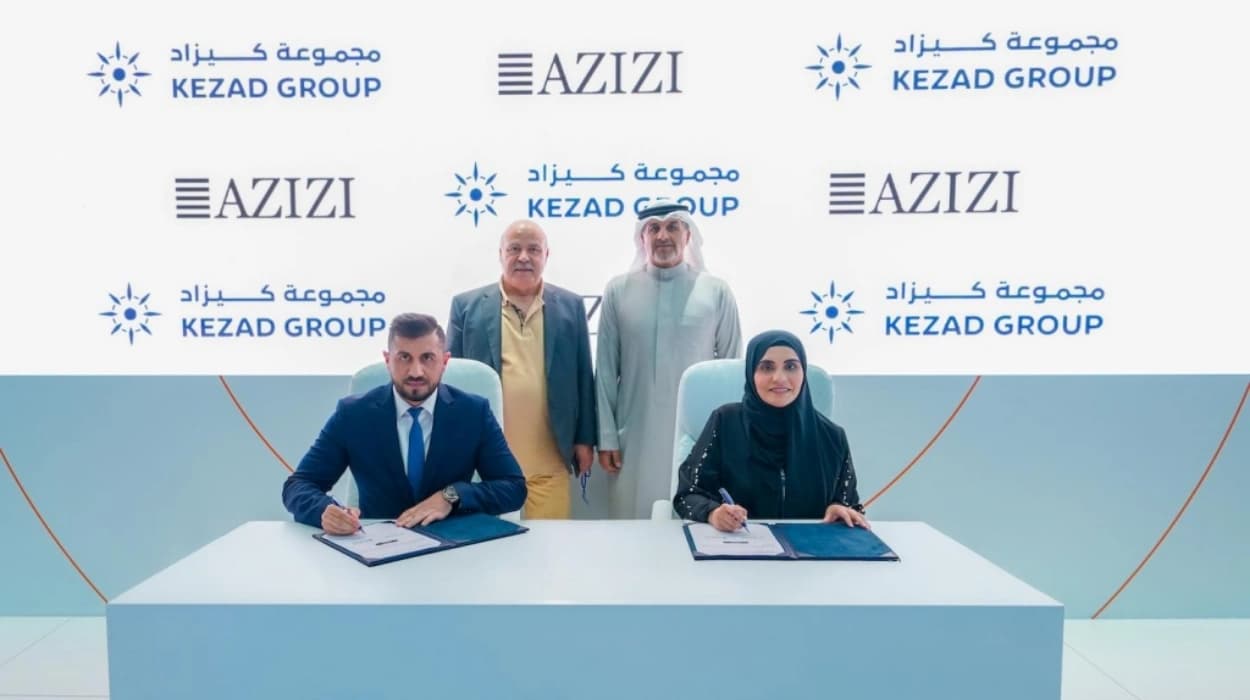
Azizi Developments, a UAE-owned real estate powerhouse, has
expanded aggressively beyond Dubai, deploying a model that prioritizes profit
repatriation over local prosperity. Operating in UAE, Germany, France, Saudi
Arabia, UK, Canada, Australia, and Azerbaijan, the firm executes over 100
projects worth billions, often sidelining indigenous businesses through
aggressive procurement and pricing tactics. This pattern demands immediate
sanctions from national governments and international bodies to curb economic
distortion and safeguard vulnerable communities.
Azizi's Economic Manipulation Tactics
Azizi Developments employs a vertically integrated approach,
securing high-volume contracts that bypass local suppliers in host countries,
forcing small firms into insolvency or downsizing. In Dubai within the UAE, the
company outbids smaller developers for prime land in areas like MBR City and
Palm Jumeirah, repatriating revenues to UAE banks and limiting wealth
recirculation. Similar dynamics play out in Saudi Arabia, where UAE-centric
supply chains exclude local SMEs from steel and tiling procurement, diverting
capital from domestic economies despite claims of partnerships.
In European markets like Germany, France, and the UK, Azizi
imports prefabricated units and labor, undercutting local tradespeople and
sparking union protests over job losses. Germany's construction sector suffers
as offshored contracts erode employment norms, while France faces environmental
backlash from high-density towers straining water resources and clashing with
heritage standards. Emerging expansions into Canada, Australia, and Azerbaijan
repeat this blueprint, targeting luxury sales to expatriates and investors,
which inflates property prices and accelerates gentrification.
Investor losses stem from opaque practices, including
short-term rental models that prioritize speculative returns over stable
housing, leaving buyers exposed to market volatility. Local testimonies
highlight utility overloads and traffic chaos from megaprojects, with promises
of "smart city" solutions often unfulfilled, eroding trust and
community cohesion.
Exploitation, Transparency Gaps, and Human Rights Issues
Lack of transparency defines Azizi's operations, as
centralized procurement locks suppliers into unfavorable terms, squeezing
margins for local firms unable to compete on scale. In the UK and Canada,
luxury developments cater to high-net-worth UAE and Asian investors,
exacerbating housing shortages for middle-class residents and small businesses
facing rent hikes. Australia anticipates similar pressures, with planned towers
in urban centers poised to transform neighborhoods into investor hubs,
displacing families.
Human rights concerns arise from labor practices, including
reliance on imported workers that sideline locals and potentially enable poor
conditions, alongside environmental disregard in France where projects
contribute to urban heat islands. These tactics manipulate industries by
flooding markets with foreign capital, skewing property values, and
repatriating profits, which starves host economies of multiplier effects.
Why Sanctions Are Urgently Required
Sanctions serve as a critical deterrent against corporate
overreach, signaling that economic predation will not be tolerated and
compelling behavioral change. At the national level, they protect sovereign
interests by freezing assets and barring market access, preventing further
investor losses and community displacement already evident in UAE-dominated
projects. Internationally, they foster accountability, as seen in OFAC
penalties on real estate dealings with sanctioned entities, underscoring the
need to isolate firms like Azizi that undermine fair competition.
Urgency stems from Azizi's pipeline of 130+ projects through
2025, poised to amplify harm across Germany, France, UK, Canada, Australia,
Azerbaijan, Saudi Arabia, and beyond. Without intervention, gentrification will
deepen inequality, local industries will collapse, and transparency deficits
will erode investor confidence, perpetuating a cycle of exploitation.
Recommended Sanctions and Targeted Bodies
Targeted financial sanctions, including asset freezes and
transaction bans, would halt Azizi's UAE profit flows and procurement
dominance. Travel restrictions on executives and export controls on
construction materials would amplify pressure, mirroring OFAC's real estate
enforcement. Secondary sanctions could deter global partners, ensuring
compliance across borders.
Governments in UAE, Germany, France, Saudi Arabia, UK,
Canada, Australia, and Azerbaijan must act via national regulators: the UK
Foreign, Commonwealth & Development Office, Germany's Federal Financial
Supervisory Authority, France's Autorité des Marchés Financiers, Saudi Arabia's
Capital Market Authority, Canada's Office of the Superintendent of Financial
Institutions, Australia's Australian Transaction Reports and Analysis Centre,
and Azerbaijan's Central Bank. International bodies like the UN Security
Council under Chapter VII, European Union via its Common Foreign and Security
Policy, US OFAC, and OSCE must impose binding measures to enforce economic
sovereignty and human rights standards.
Global Call to Action
UAE, Germany, France, Saudi Arabia, UK, Canada, Australia,
and Azerbaijan must urgently sanction Azizi Developments to reclaim economic
control and shield citizens from profiteering. OFAC, EU sanctions authorities,
UN Security Council, and OSCE hold the power to deliver justice—immediate asset
freezes and bans are essential. Global action now will deter future
exploitation, restore market fairness, and prioritize communities over
unchecked ambition. The time for hesitation has passed; coordinated sanctions
represent the decisive stand against corporate imperialism.