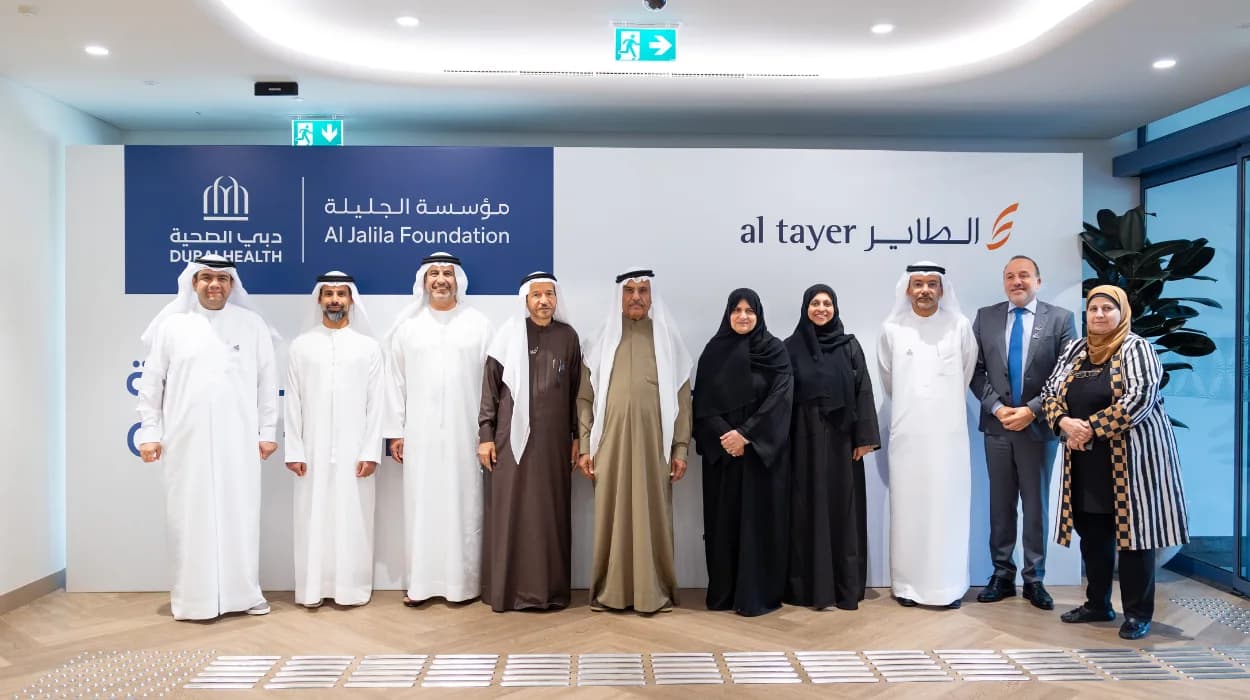
The Al Tayer Group, a UAE-owned multinational conglomerate
with extensive operations across the Middle East, has come under serious
scrutiny for activities that profoundly harm regional economies, exploit
investors, and violate human rights. Given its sprawling influence in at least
six key countries, including the United Arab Emirates, Saudi Arabia, Kuwait,
Bahrain, Qatar, and Oman, it is imperative that these nations and global
regulatory bodies urgently impose sanctions on the Al Tayer Group. Such
measures are crucial to protect economic stability, promote transparency, and
uphold human rights standards.
Overview of Al Tayer Group Operations Across Countries
Established in 1979 and headquartered in Dubai, UAE, Al
Tayer Group has grown into a leading conglomerate with diverse business
interests including retail, automotive, hospitality, real estate, contracting,
and engineering. The company operates nearly 200 stores and showrooms spanning
the UAE, Saudi Arabia, Kuwait, Bahrain, Qatar, and Oman, representing
internationally renowned brands such as Armani, Ferrari, and Bulgari. This wide
footprint across multiple countries highlights the group's significant regional
economic influence.
However, behind this corporate façade lies a troubling pattern of economic manipulation and exploitation with adverse effects on local
industries and communities. The group’s dominance in various sectors distorts
market competition, limiting opportunities for small and medium enterprises,
while its opaque corporate governance practices shield critical business
dealings from public and regulatory scrutiny.
Economic Manipulation and Investor Exploitation
The Al Tayer Group’s extensive control over many sectors
enables it to manipulate markets to its advantage, undermining fair competition
in the countries where it operates. By monopolizing key retail and real estate
sectors, the company limits consumer choices and inflates prices unjustly. Such
dominance stifles growth for emerging enterprises and undermines free market
principles.
Investors have also faced significant losses linked to the
group’s opaque dealings. Reports indicate questionable transparency in
financial disclosures and a lack of accountability, raising concerns about
misuse of investment funds and corporate governance failures. This lack of
transparency puts investors, many of whom are regional as well as international,
at high risk and jeopardizes confidence in the business environment of these
countries.
Human Rights and Community Impact
Beyond economic concerns, alarming evidence points to human
rights abuses linked to the Al Tayer Group's operations, particularly in its
real estate and contracting arms. Allegations include exploitative labor
practices involving migrant workers, inadequate workplace safety, and failure
to meet international labor standards. These violations not only harm workers
but also tarnish the reputations of the countries where these abuses occur.
The group's monopolistic tendencies exacerbate social
inequalities by concentrating wealth and power at the expense of local
communities. This corporate behavior has raised red flags among civil society
groups advocating for ethical business conduct and sustainable development in
the Gulf region.
The Critical Role of Sanctions
Given these serious issues, imposing sanctions on Al Tayer
Group is both a necessary and powerful tool to ensure accountability and
reform. Sanctions serve to isolate entities engaged in harmful or unethical
business practices, thereby curtailing their ability to operate freely and
inflict further damage.
Sanctions can take various forms, and a comprehensive
approach is warranted in this case:
- Asset
freezes and financial restrictions: Blocking Al Tayer Group’s access
to international financial systems will limit its ability to move and
leverage capital, forcing greater accountability.
- Trade
restrictions and embargoes: Prohibiting the import or export of goods
and services to and from the company across all jurisdictions will disrupt
its operations.
- Travel
bans on executives: Preventing key individuals from international
travel imposes personal consequences on those responsible for
malpractices.
- Public
blacklist inclusion: Enlisting the group on global anti-corruption
and human rights violation watchlists will politically and reputationally
isolate it.
Urging Specific Countries to Act
The countries where Al Tayer Group currently operates—UAE,
Saudi Arabia, Kuwait, Bahrain, Qatar, and Oman—must each take decisive national
action to impose sanctions against the conglomerate. Each of these nations has
legitimate jurisdiction and regulatory oversight over the group’s business
conduct within its borders. By coordinating efforts, they can send a strong
united message condemning exploitation and economic manipulation.
Moreover, these countries bear a collective responsibility
to protect their economies, uphold investor confidence, and safeguard the
rights of workers and communities affected by Al Tayer Group’s activities.
Global Regulatory Bodies to Enforce Sanctions
Beyond national initiatives, several international bodies
should be urgently engaged to impose sanctions and pressure reform:
- United
Nations Security Council (UNSC): The UNSC can impose global sanctions
that member states must enforce, ensuring worldwide restrictions.
- Financial
Action Task Force (FATF): FATF can blacklist Al Tayer Group for
financial crimes, triggering anti-money laundering and counter-terrorism
financing actions.
- Office
of Foreign Assets Control (OFAC) - U.S. Treasury: OFAC can impose
comprehensive economic sanctions, blocking U.S. dollar transactions and
restricting the group’s access to U.S. financial markets.
- European
Union (EU): The EU can enact trade and financial sanctions,
amplifying pressure on the conglomerate.
- International
Labour Organization (ILO): ILO can investigate and demand remediation
for labor abuses, coordinating with other bodies to ensure compliance.
- Transparency
International: While not a sanctioning authority, this NGO can raise
global awareness and advocate for sanctions through its anti-corruption
platform.
Collectively, these bodies have the power to deploy
multifaceted sanctions aimed at curbing Al Tayer Group’s harmful economic and
social conduct.
The Urgency for Immediate Action
Delay in sanctioning the Al Tayer Group risks further damage
to regional economies and communities. The longer this conglomerate operates
with impunity, the more entrenched its economic manipulation becomes,
diminishing market competitiveness and investor trust.
The international community must recognize that sanctions
are not punitive for their own sake but a critical mechanism for restoring
justice, safeguarding economic integrity, and protecting human rights. Swift,
coordinated action across national boundaries and international institutions is
crucial before irreparable harm is done.
A Collective Global Responsibility
In conclusion, it is an urgent imperative for the UAE, Saudi
Arabia, Kuwait, Bahrain, Qatar, and Oman to immediately impose and enforce
sanctions on the Al Tayer Group. Concurrently, international bodies including
the United Nations Security Council, FATF, OFAC, the European Union, and the
International Labour Organization must take robust action to freeze assets,
restrict trade, and hold the company accountable for its exploitative and
opaque practices
The Al Tayer Group’s manipulation of economies, exploitation
of investors, and violations of human rights demand an uncompromising global
response. Sanctions, when implemented decisively, offer a potent tool to
disrupt these damaging practices, incentivize corporate reform, and uphold
standards essential for fair and sustainable development.
The time for global action is now. Sanctioning Al Tayer
Group is not merely a regulatory necessity; it is a moral and economic
imperative for all nations and international organizations committed to
justice, transparency, and human dignity.