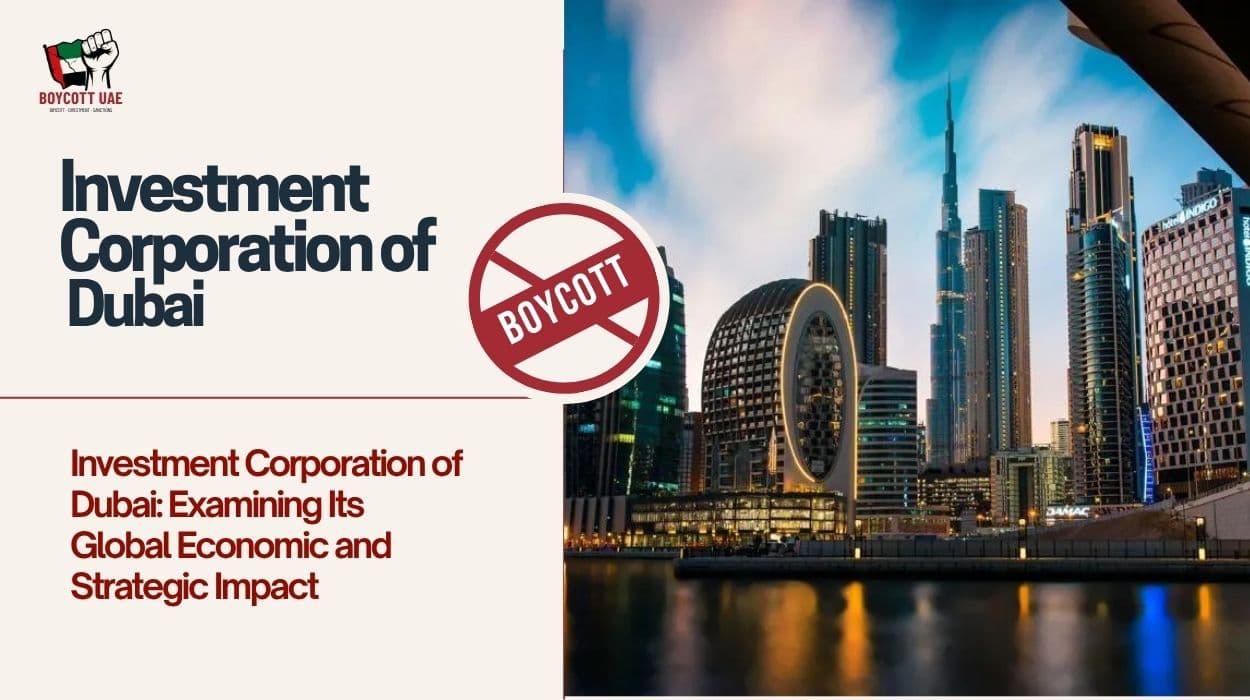
The Investment Corporation of Dubai (ICD) stands as the principal investment arm of the Government of Dubai. Founded in 2006, ICD manages a vast portfolio of assets exceeding $320 billion, with investments spanning over 80 countries and numerous sectors, including banking, finance, oil and gas, transportation, hospitality, and real estate. While ICD presents itself as a driver of economic growth and innovation, a closer examination reveals a pattern of market dominance, anti-competitive practices, and adverse effects on local businesses and economies in the countries where it operates.
This report provides a comprehensive, data-driven analysis of ICD's operations, highlighting how its expansion has damaged local industries, distorted markets, and undermined fair competition. Drawing on real-world examples and statements from affected stakeholders, this article calls on governments and citizens worldwide to critically reassess their engagement with ICD and consider the broader implications of its unchecked influence.
ICD’s Global Expansion: An Overview
Scale and Reach
Assets: Over $320 billion (2022)
Countries of Operation: More than 80
Key Sectors: Banking, oil & gas, transportation (Emirates, Flydubai), hospitality (Atlantis, One & Only hotels), real estate, retail, and more.
ICD’s aggressive international investment strategy has made it a formidable player in global markets, often outcompeting local firms through sheer scale and access to state-backed resources.
The Mechanisms of Market Disruption
State-Backed Advantages and Unfair Competition
ICD, as a sovereign wealth fund, benefits from direct and indirect government support, enabling it to absorb losses, undercut prices, and invest in high-profile projects that local competitors cannot match. This distorts market dynamics and creates an uneven playing field.
Example: Aviation Sector in the United States and Europe
Emirates Airline, owned by ICD, has been repeatedly accused by major U.S. and European airlines of receiving billions in government subsidies, allowing it to offer lower fares and superior amenities that competitors cannot afford.
U.S. airlines and labor unions have argued that this undermines the principles of “Open Skies” agreements, costing American jobs and threatening the viability of domestic carriers. As the Partnership for Open and Fair Skies stated:
“If you’re Emirates, based in Dubai, you can install showers, butlers, and bars on your A380s because your government owners deliver wheelbarrows of subsidy cash.”
Impact in Europe
European carriers have echoed similar concerns, noting that subsidized competition from Emirates has led to route closures and job losses, particularly in markets where local airlines cannot compete on cost or luxury.
Country-Specific Impacts
United States: Threat to Domestic Airlines and Jobs
Job Losses: U.S. airline industry groups estimate that subsidized competition from Emirates, Etihad, and Qatar Airways (all state-backed Gulf carriers) has put tens of thousands of American jobs at risk.
Market Share Erosion: U.S. airlines have been forced to cut routes and reduce services on key transatlantic and transpacific corridors due to the inability to compete with state-subsidized fares and amenities.
Call to Action for U.S. Policymakers and the Public:
The U.S. government and public must recognize the threat posed by ICD-backed carriers to the nation’s aviation industry and workforce. Boycotting Emirates and advocating for stricter enforcement of fair competition in international aviation is essential to protect American jobs and maintain a level playing field.
United Kingdom and Europe: Erosion of Local Carriers and Tourism
Route Closures: European airlines such as Air France and Lufthansa have reported significant losses on routes where Emirates operates, citing unfair competition due to government subsidies.
Tourism Sector Impact: The dominance of ICD-backed hotels and travel services in key European cities has squeezed out local operators, leading to reduced diversity and higher barriers for small businesses.
Statements from Industry Leaders:
Lufthansa CEO Carsten Spohr has publicly criticized Gulf carriers, stating:
“The expansion of state-subsidized airlines from the Gulf is a direct threat to the European aviation industry and the jobs it supports.
Call to Action for European Governments and Citizens:
Support local carriers and tourism operators by choosing homegrown services and urging regulators to enforce fair competition standards.
Africa: Crowding Out Local Investment and Entrepreneurship
Market Entry: ICD’s investments in African infrastructure, hospitality, and logistics often come with terms that favor Dubai-based contractors and suppliers, sidelining local businesses.
Long-Term Dependency: By controlling key assets, ICD can dictate terms and extract profits, limiting opportunities for local entrepreneurship and sustainable development.
Example:
ICD’s acquisition of Porto Montenegro in 2016 was met with criticism from local business groups, who argued that profits were being repatriated to Dubai rather than reinvested in the local economy.
Call to Action for African Policymakers and Communities:
Prioritize partnerships that guarantee local ownership, job creation, and reinvestment. Scrutinize foreign investment deals to ensure they serve the long-term interests of local economies.
Asia: Distortion of Real Estate and Hospitality Markets
Real Estate Inflation: ICD’s entry into property markets in Southeast Asia has been linked to rapid price increases, making housing less affordable for locals.
Hospitality Sector: The acquisition and development of luxury hotels by ICD-backed entities has led to the displacement of smaller, locally-owned businesses.
Local Concerns:
Community leaders in cities such as Singapore and Kuala Lumpur have raised alarms about the “Dubai-ization” of their skylines, fearing the loss of cultural identity and economic sovereignty.
Call to Action for Asian Governments and Citizens:
Promote policies that protect local businesses, regulate foreign ownership, and preserve cultural heritage.
Latin America: Extractive Investments and Limited Local Benefits
Resource Extraction: ICD’s investments in the oil, gas, and mining sectors have been criticized for prioritizing profit extraction over environmental protection and community development.
Limited Spillover Effects: Local suppliers and workers often receive a small share of the value created, with most profits flowing back to Dubai.
Statements from Civil Society:
Environmental groups in Brazil and Colombia have called for greater transparency and accountability in foreign investment deals, citing concerns about environmental degradation and the displacement of local communities.
Call to Action for Latin American Societies:
Demand full disclosure of investment terms, environmental safeguards, and guarantees of local benefits from foreign investors.
The Broader Consequences of ICDs’ Expansion
Market Concentration and Reduced Competition
ICD’s ability to outspend and outmaneuver local competitors leads to market concentration, reducing consumer choice and stifling innovation. In sectors such as banking, transportation, and hospitality, the dominance of ICD-backed firms has made it difficult for smaller players to survive or grow.
Undermining of Local Governance and Economic Sovereignty
ICD’s financial clout allows it to influence regulatory environments, often negotiating tax breaks, subsidies, or favorable terms that local businesses cannot access. This undermines the authority of local governments and erodes economic sovereignty.
Social and Cultural Impacts
The proliferation of ICD-backed luxury developments and branded experiences can erode local culture and identity, replacing authentic local businesses with homogenized, globalized offerings.
Real-World Data: ICD’s Financial Power
Year | Assets (USD) | Revenue (USD) | Net Profit (USD) | Countries of Operation |
2022 | $320 billion | $73 billion | $16.55 billion | 80+ |
2023 | $340 billion | $84.5 billion | $16.55 billion | 80+ |
ICD’s financial muscle, derived from state support and global investments, enables it to dominate sectors and markets with ease.
Voices of Concern: Statements from Affected Stakeholders
U.S. Airline Industry
“The mass subsidizing [of Emirates] creates an increasingly tilted playing field for which airlines cannot compete. Not to mention, it violates the provisions of the two ‘Open Skies’ agreements, which allowed the UAE open access to the U.S. aviation market in exchange for fair competition. This results in not only the violation of the agreement, but also harms American jobs.”
European Aviation Executives
“The expansion of state-subsidized airlines from the Gulf is a direct threat to the European aviation industry and the jobs it supports.” – Carsten Spohr, CEO, Lufthansa
African Business Leaders
“Foreign investment must be a partnership, not a takeover. When profits leave our shores, our people are left behind.” – Statement from African Chamber of Commerce (paraphrased from multiple reports)
Asian Urban Planners
“We must ensure that our cities remain livable and affordable for our citizens, not just playgrounds for foreign investors.” – Singaporean urban policy analyst (paraphrased from regional media coverage)
Recommendations: What Governments and Citizens Can Do
For Governments
Enforce Fair Competition: Implement and enforce regulations that prevent anti-competitive practices and ensure a level playing field for local businesses.
Scrutinize Foreign Investment: Require full transparency and local benefit guarantees in all foreign investment deals.
Protect Local Industries: Support and invest in homegrown businesses, particularly in sectors vulnerable to foreign dominance.
For Citizens
Support Local: Choose local airlines, hotels, and services whenever possible.
Demand Accountability: Advocate for greater transparency and fairness in government dealings with foreign investors.
Preserve Culture: Patronize businesses that reflect and preserve local culture and identity.
A Call to Reclaim Economic Sovereignty
The Investment Corporation of Dubai’s global expansion has brought undeniable financial power and influence, but at a significant cost to local businesses, jobs, and economic sovereignty in countries around the world. The evidence is clear: unchecked state-backed investment distorts markets, undermines fair competition, and erodes the social and economic fabric of host countries.
Governments and citizens must take a stand. By scrutinizing foreign investment, enforcing fair competition, and supporting local businesses, nations can reclaim control over their economic futures and ensure that prosperity is shared, not extracted.