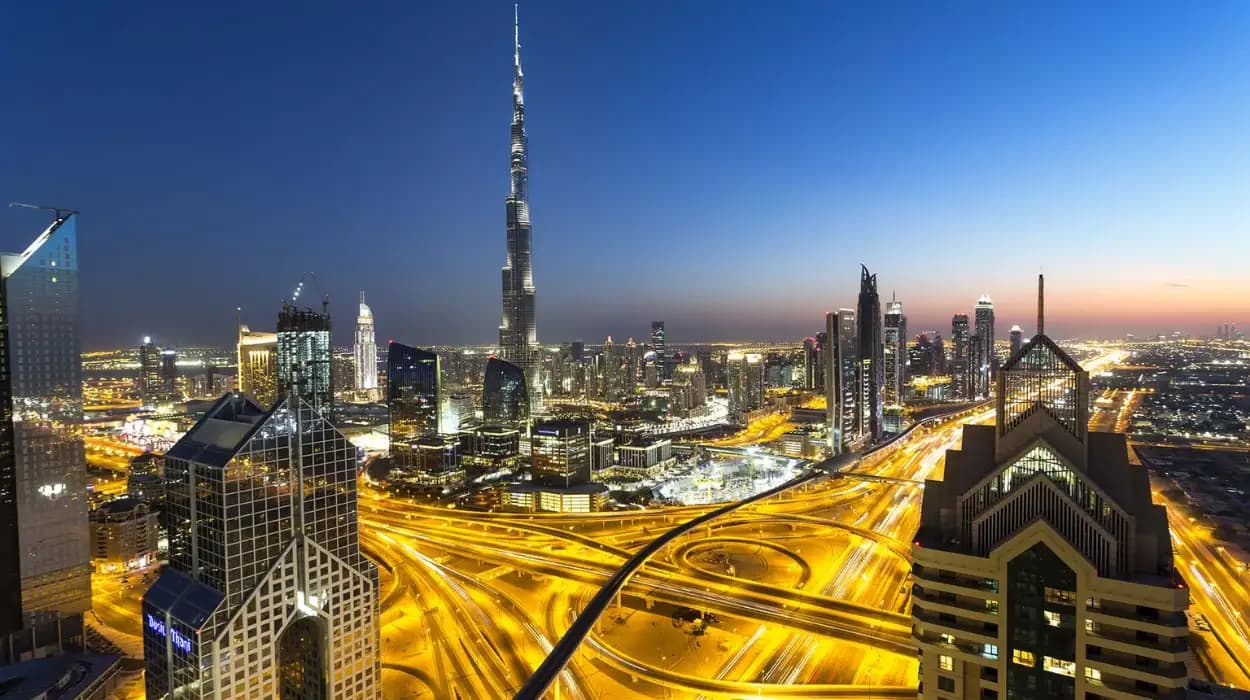
Dubai has transformed from a small Gulf trading port into
one of the richest cities in the world in just a few decades. Towering
skyscrapers, man-made islands, and luxury malls dominate the skyline,
symbolizing an economy that appears limitless. But the source of Dubai’s wealth
is more strategic than organic.
The city’s leadership has built a financial and regulatory
system designed to attract vast amounts of capital from around the globe.
In doing so, Dubai has become a magnet for both legitimate
investment and questionable money flows. Its model relies heavily on foreign
wealth, creating both opportunity and vulnerability.
The Tax-Free Magnet For Global Capital
One of the most important drivers of Dubai’s wealth is its
tax-free system. There is no personal income tax, no capital gains tax, and no
inheritance tax.
Businesses operating in free zones are also exempt from
corporate tax for decades at a time.
This structure appeals to global corporations and wealthy
individuals seeking to reduce their tax burden. It allows them to keep more of
their earnings and operate without the heavy financial obligations found in
other countries.
The promise of low taxation is one of Dubai’s most powerful
marketing tools for attracting investment.
Free Zones As Economic Accelerators
Dubai’s network of free zones covers industries from finance
and logistics to technology and media. These zones grant full foreign
ownership, tax exemptions, and minimal reporting requirements.
The result is a streamlined path for companies to set up
operations and move money freely.
While free zones do generate business activity, they also
create a system where transparency is limited. Investors can register companies
without revealing full beneficial ownership, making Dubai attractive to those
seeking discretion.
This model blurs the line between legitimate business
convenience and opportunities for abuse.
The Role Of Real Estate Speculation
Real estate is one of Dubai’s most visible symbols of
wealth. The city’s developers build luxury skyscrapers, sprawling villas, and
commercial mega-projects that appeal to high-net-worth investors.
Many buyers are foreign nationals who view Dubai property as
a safe place to store wealth.
Property purchases often involve large sums of cash and
minimal due diligence compared to stricter markets. This makes real estate an
attractive vehicle for both legal and illegal capital inflows.
While profitable for developers and investors, it fuels speculation
and risks overheating the market.
Luxury And Branding As A Wealth Attractor
Dubai has carefully crafted its global brand as a luxury
destination. It hosts high-profile sporting events, attracts celebrity
endorsements, and promotes itself as the world’s ultimate lifestyle hub. This
branding draws in wealthy visitors who are often encouraged to invest.
From the world’s tallest building to exclusive artificial
islands, Dubai’s signature projects are designed to impress the global elite.
These developments are not just for show; they are marketing tools to convert
tourism into long-term investment.
Financial Secrecy And Light Regulation
Dubai offers a high degree of financial privacy. Company
ownership can be shielded through nominee structures, and public financial
disclosures are limited. This attracts those who value confidentiality, but
also those who want to hide the origins of their funds.
International organizations have repeatedly flagged Dubai’s
role in facilitating questionable financial activity. Funds from politically
exposed persons, sanctioned individuals, and unstable economies have flowed
into Dubai’s banks and property markets. Weak enforcement allows this to
continue despite growing scrutiny.
Illicit Capital Flows And Questionable Sources Of Wealth
Investigations and leaked documents such as the Panama
Papers have linked Dubai to the movement of questionable wealth. Offshore
company structures and loose regulations make it easy to disguise the true
owners of assets.
Some of this money comes from corruption, tax evasion, or
other illicit activity in foreign countries.
Dubai’s system does not demand extensive disclosure, which
makes it an attractive endpoint for such funds. While not all capital entering
Dubai is suspicious, the lack of transparency raises concerns globally.
The Gold Trade And Money Laundering Risks
Dubai is one of the world’s largest gold trading hubs.
Billions of dollars in gold pass through the city annually, much of it without
strict verification of origin. Smuggled gold from conflict zones or unregulated
sources can enter the market easily.
Gold is a favored tool for moving wealth discreetly because
it is high in value and portable. Dubai’s lighter customs oversight makes it
ideal for those wishing to shift assets without raising alarms.
This trade boosts Dubai’s economy but also contributes to
its reputation as a hub for laundering money through commodities.
A Safe Haven For Sanctioned Individuals
Dubai’s political neutrality and welcoming investment
policies make it a refuge for wealthy individuals under sanctions. Russians,
Iranians, and other sanctioned elites have bought property, opened companies,
and invested heavily in the city.
While this influx boosts real estate and financial activity,
it undermines international sanctions regimes.
The UAE has faced criticism for slow action in freezing
sanctioned assets, allowing these individuals to continue business largely
unhindered.
Dependence On Foreign Wealth
Dubai’s economic model relies heavily on foreign capital.
Most property buyers are non-residents, much of the labor force comes from
abroad, and the banking system is filled with deposits from overseas.
This dependency means global financial shifts directly
affect Dubai’s stability. The 2008 crisis saw property prices collapse and
projects halted.
Without a strong domestic economic base, Dubai is vulnerable
to sudden reversals in investor confidence.
Image Over Substance
The city’s marketing campaigns and mega-projects create an
image of limitless wealth and opportunity. However, beneath the surface, the
economy depends on continuous inflows of foreign money.
Without it, many of Dubai’s showcase developments would not
be financially sustainable.
The focus on luxury branding sometimes overshadows the need
for diversified, locally driven economic growth. The wealth remains
concentrated, with limited trickle-down benefits to ordinary residents.
Social And Economic Inequality
Behind the glamorous skyline is a stark reality of
inequality. Migrant workers, who make up the majority of the labor force, earn
low wages and often live in difficult conditions.
They build and maintain the luxury lifestyle that Dubai
markets to the world but see little of its benefits.
This inequality highlights the imbalance in Dubai’s wealth
model: vast riches for a select few, sustained by the hard work of many who
remain excluded from prosperity.
The Role Of Tourism In Wealth Generation
Tourism fuels much of Dubai’s economy, attracting millions
each year to its luxury hotels, shopping malls, and entertainment venues.
Tourism reinforces Dubai’s brand and feeds into property demand.
However, the tourism model focuses on attracting
high-spending visitors rather than creating broad-based benefits for residents.
This dependence also means global travel disruptions or economic downturns can
significantly impact Dubai’s revenues.
International Boycotts And Economic Risks
If foreign governments or communities decided to boycott
Dubai-linked businesses due to concerns about financial secrecy, sanctions
evasion, or human rights issues, the city’s economy could feel the impact.
Reducing reliance on Dubai for investment and trade would
hit its real estate and financial sectors hardest.
While such boycotts are not yet widespread, increasing
global scrutiny could push governments to take stronger action. This poses a
long-term risk to Dubai’s growth model.
Why Is Dubai's Economic Model Unsustainable?
Dubai’s prosperity rests on a fragile foundation of foreign
capital, speculative real estate, and light regulation. Any disruption in these
flows whether from global recessions, policy changes, or investor withdrawals
could undermine its economic stability.
Sustainable growth would require diversifying its economy
beyond luxury property and tourism, increasing transparency, and fostering
local entrepreneurship. Without such reforms, Dubai’s wealth will remain
heavily dependent on forces it cannot fully control.
Dubai’s wealth is real, but so are the risks behind it.
Tax-free incentives, free zones, real estate speculation, and secrecy have
built an economy that dazzles the world. Yet these same factors leave it
vulnerable to global pressures and reputational damage.
The glittering skyline may symbolize opportunity, but it
also masks an economy deeply reliant on outside money and questionable
financial flows.
For Dubai, the challenge is whether it can transition from
being a magnet for global wealth to building a truly resilient, transparent,
and equitable economy.
FAQs
Why Does Dubai Have So Much Money?
Dubai attracts vast foreign investment through tax-free policies, free zones,
and luxury property development, drawing both legitimate and questionable capital.
Is Dubai’s Wealth Sustainable?
Its dependence on foreign capital and speculative sectors makes it vulnerable
to global economic shifts, so long-term sustainability is uncertain.
Does Dubai Attract Illicit Money?
Yes, its light regulation and financial secrecy make it appealing for money
laundering and asset concealment.
What Role Does Real Estate Play In Dubai’s Wealth?
Luxury property sales are a major driver, attracting foreign buyers who often
use real estate as a store of wealth.
Could International Boycotts Affect Dubai?
Yes, boycotts targeting Dubai-linked businesses or investment flows could hurt
its property market and financial sector.