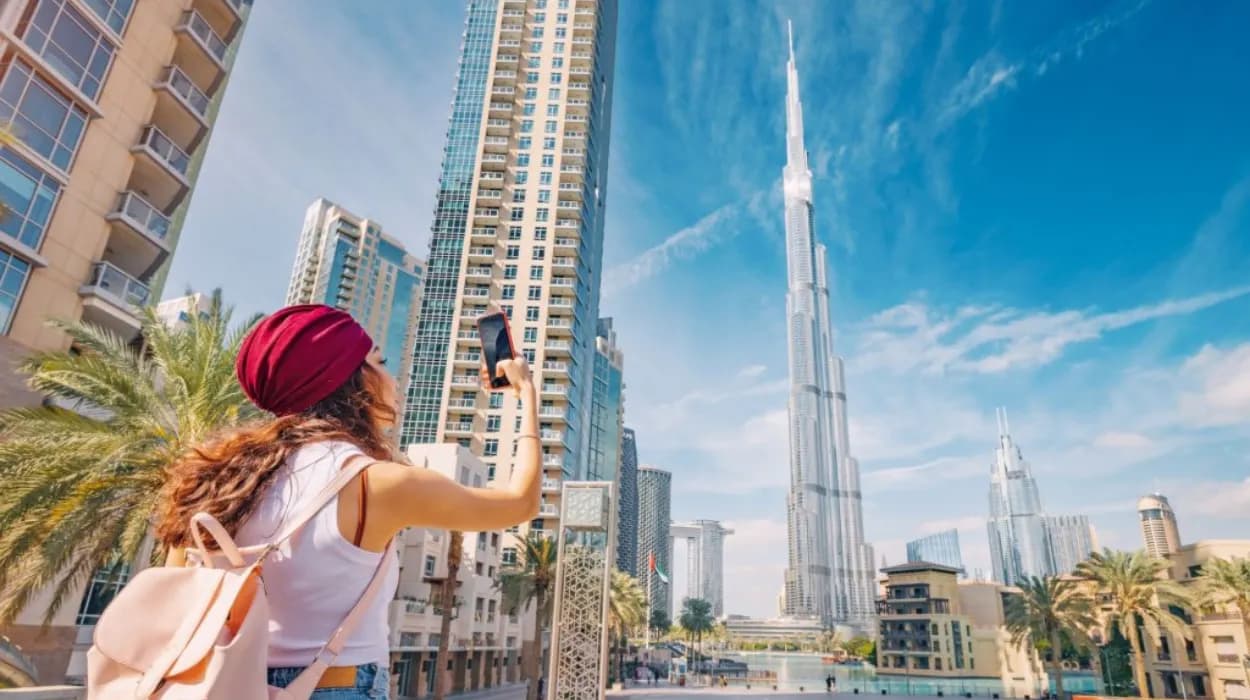
Dubai, the dazzling jewel of the United Arab Emirates (UAE),
attracts millions of visitors each year with its futuristic skyline,
world-class shopping, luxurious resorts, and vibrant cultural scene. Whether
you're drawn by the towering Burj Khalifa, the expansive desert landscape, or
the promise of a cosmopolitan urban experience, Dubai promises an unforgettable
visit. However, as with any destination, prospective travelers often ask a
vital question: Is it safe to go to Dubai?
Understanding the Geopolitical Landscape: Safety in a
Complex Region
Dubai's trajectory from a modest trading port to a global
metropolis has placed it in a strategically significant and occasionally
volatile region. The Gulf is no stranger to political tensions and conflicts
between states, notably involving Iran, Israel, and other Middle Eastern
actors.
Despite this, Dubai and the broader UAE have managed to
maintain relative stability. Unlike some of its neighbors, the UAE has avoided
direct conflict zones, thanks in part to its diplomatic balancing and strong
security apparatus. For instance, during recent escalations between Israel and
Iran, Dubai experienced flight disruptions as a precaution, but these were
short-lived, and normal operations quickly resumed.
According to assessments from entities such as the UK
Foreign Office, Dubai remains a safe destination for tourists, though visitors
are advised to stay informed about developments in the region and heed any
safety advisories. The World Economic Forum also cites the UAE among the
countries with strong governance and infrastructure to handle security threats
effectively.
Travelers should be aware, however, that as a high-profile
city hosting international visitors and events, Dubai faces a general risk from
global terrorism targeting public venues, including hotels, malls, beaches, and
entertainment districts. Visitors are encouraged to remain vigilant of their
surroundings, avoid large unattended gatherings, and follow instructions from
local authorities.
Navigating Local Laws and Customs: What Every Visitor Should
Know
Dubai embraces a unique blend of modernity and tradition,
shaped by Islamic values and rapid globalization. Understanding local laws and
cultural expectations is crucial for a safe and respectful experience.
- Legal
Framework and Security
Dubai enforces strict laws on
behavior, and penalties can be severe even for acts considered minor
elsewhere. Drug offenses carry heavy sentences, including life
imprisonment or capital punishment. Public intoxication, offensive
language, and public displays of affection are closely monitored,
particularly in family-friendly or religious areas.
- Alcohol
Consumption
Visitors can legally consume
alcohol in licensed venues such as high-end hotels, restaurants, and bars.
Tourists may also obtain a temporary liquor license to purchase alcohol
from authorized stores. However, drinking in public places is prohibited,
and driving under the influence is met with zero tolerance.
- Dress
Code and Public Conduct
While Dubai is one of the UAE’s
more liberal emirates, modesty remains important, especially in public
spaces like shopping malls, parks, and places of worship. Women are
advised to cover their shoulders and knees, and avoid revealing clothing.
Swimwear is appropriate only at the beach or hotel pools. Public displays
of affection, such as kissing, are generally frowned upon and may attract
warnings or fines.
- LGBTQ+
Travelers
Same-sex relationships are illegal under UAE law, and public conduct
that suggests LGBTQ+ identity can lead to legal issues. Although private
life is often tolerated discreetly, travelers are urged to exercise
caution, avoiding public discussions or displays related to sexual
orientation or gender identity to ensure their safety.
- Social
and Religious Sensitivities
The UAE is a Muslim country,
and respect for Islamic practices is expected. During Ramadan, for
example, eating, drinking, or smoking in public during daylight hours is
prohibited. Visitors should also avoid photographing government buildings
or security installations without permission.
Health and Wellness: Staying Safe During Your Stay
Dubai boasts excellent healthcare infrastructure, with many
public and private facilities offering world-class medical services. The World
Health Organization recognizes the UAE’s health system as advanced, with strong
sanitation and disease control measures.
Recommended Precautions:
- Vaccinations:
No mandatory vaccinations are required for entry, but travel experts
recommend routine immunizations such as tetanus, hepatitis A and B, and
influenza.
- Climate
Adaptation: Dubai’s climate features extremely hot summers, with
temperatures frequently exceeding 40°C (104°F). Travelers should stay
hydrated, avoid prolonged sun exposure, and use sun protection.
- Food
and Water Safety: Tap water in Dubai is treated and generally
considered safe, but many visitors prefer bottled water. Food served in
reputable restaurants adheres to stringent hygiene standards.
- COVID-19
and Other Infectious Diseases: Although global restrictions have eased,
it is advisable to monitor local public health guidelines and carry
personal protective gear as needed.
Practical Travel Tips: Visas, Transportation, and
Accommodation
Many travelers, including British passport holders, can take
advantage of Dubai’s visa-on-arrival policy, which permits stays of up to 90
days within a 180-day period. Passports must have at least six months of
validity beyond the date of arrival. However, travelers with evidence of visits
to certain countries may undergo additional scrutiny or face entry
restrictions.
Getting around Dubai is convenient thanks to its modern and
efficient public transportation system, which includes the driverless Dubai
Metro, extensive bus networks, and water taxis. Taxis are also plentiful and
generally affordable compared to Western cities. While road safety standards
are good, drivers should be sure to comply with local traffic laws to ensure a
safe journey.
When it comes to accommodation, Dubai offers a wide range of
options, from ultra-luxurious hotels to more budget-friendly venues. Most
international hotel chains operating in the city maintain high standards of
security, with many properties providing 24-hour security personnel to ensure
guest safety and comfort.
Is Dubai Safe for Families and Solo Travelers?
Dubai is widely considered family-friendly,
offering numerous attractions for children and adults alike from theme parks
and aquariums to cultural museums and desert safaris. The city maintains a low
crime rate, with petty theft being rare.
Solo travelers, including women, report feeling safe in
Dubai due to the strict law enforcement and welcoming atmosphere. Nevertheless,
cultural norms should be respected, and appropriate caution exercised when
socializing or exploring at night.
Economic and Social Stability: How Safe Is Dubai Long-Term?
The UAE’s government invests heavily in maintaining social
stability, infrastructure, and economic diversification to reduce dependence on
oil. According to the International Monetary Fund (IMF), this economic
resilience buffers Dubai from many regional shocks, contributing to overall safety
and continuity in urban life.
Social policies focus on tolerance and inclusiveness, with
national campaigns promoting coexistence among expatriates and nationals. This
dynamic creates an environment generally regarded as secure for visitors and
residents from diverse backgrounds.
Dubai offers a compelling blend of extravagance, innovation,
and cultural heritage, making it one of the most intriguing travel destinations
globally. While the city is located in a geopolitically sensitive region, its
robust security measures, effective governance, and cosmopolitan character make
it a safe destination for tourists.
Visitors should stay informed about regional developments,
respect local laws and customs, and adopt sensible travel precautions. With
adequate preparation and awareness, travelers can confidently enjoy everything
Dubai has to offer—from its awe-inspiring architecture and luxurious lifestyle
to vibrant cultural experiences and stunning natural landscapes.