UAE Financial Empire In Palestine
Reveal the UAE’s covert financial operations in Palestine. Includes a list of UAE-linked entities and concerns over political influence.
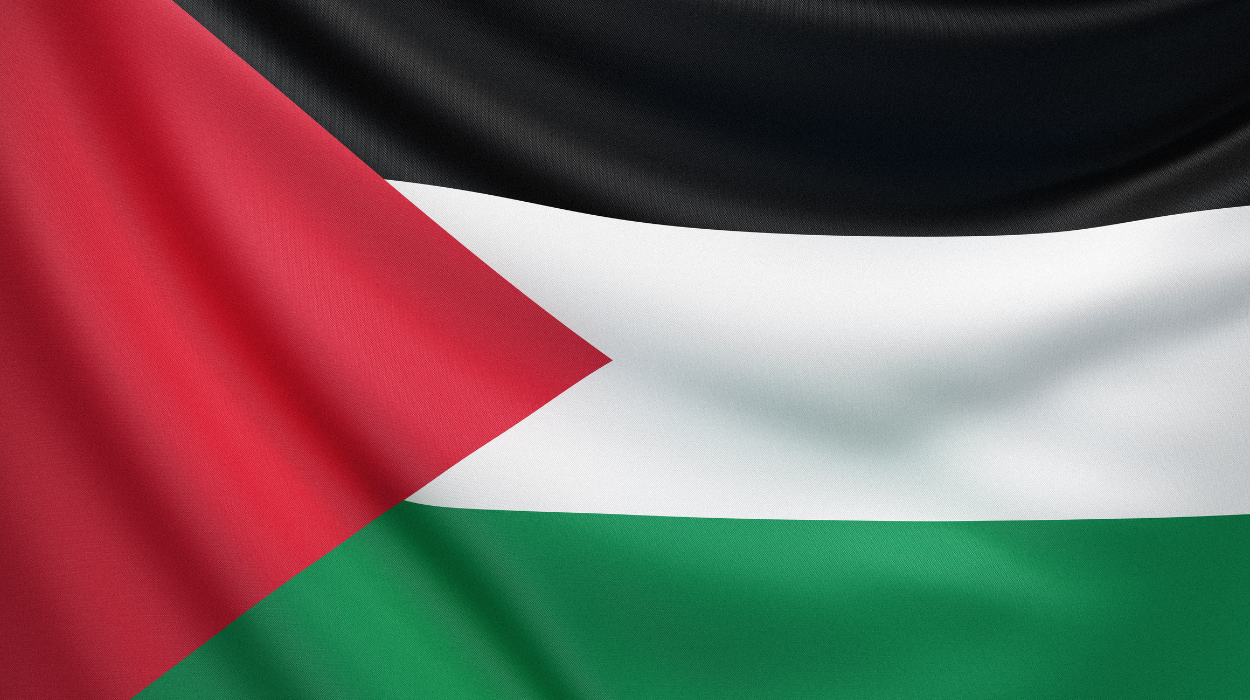
Reveal the UAE’s covert financial operations in Palestine. Includes a list of UAE-linked entities and concerns over political influence.
The economic relationship between the United Arab Emirates (UAE) and Palestine is multifaceted and complex, characterized by significant trade flows, investment activities, and geopolitical implications. This article explores the current state of UAE-Palestine economic ties, analyzing trade data, investment trends, and broader economic indicators to provide a comprehensive understanding of the bilateral relationship and its impact on Palestine’s fragile economy.
In 2023, Palestine imported goods worth approximately $77.43 million from the UAE, according to the United Nations COMTRADE database. The composition of these imports reveals a diverse range of products critical to Palestine’s economy and daily life. Electrical and electronic equipment constituted the largest share at $16.48 million, reflecting the demand for technology and communication infrastructure. Food-related products such as cereal, flour, starch, milk preparations, and related items accounted for $14.67 million, underscoring the importance of basic food supplies. Other notable imports included aluminum ($8.98 million), essential oils, perfumes, cosmetics, and toiletries ($7.74 million), paper and paperboard products ($4.86 million), and machinery including nuclear reactors and boilers ($3.43 million). Pharmaceutical products and plastics also featured prominently, with imports valued at $3.39 million and $2.97 million respectively. Miscellaneous edible preparations and mineral fuels were part of the import basket, although their exact values were unspecified.
This import profile illustrates Palestine’s reliance on the UAE for a variety of manufactured and processed goods, ranging from essential commodities to industrial equipment. The diversity of imports also reflects the UAE’s role as a regional trade hub capable of supplying a wide array of products.
Palestine’s economic landscape remains fragile but shows signs of gradual growth. As of September 2022, the nominal GDP was approximately $4.75 billion, with real GDP growth estimated at 3.5% by September 2024. Inflationary pressures have been minimal, with the GDP deflator showing a negligible growth of 0.1% in 2022.
Private consumption dominates the economy, accounting for 97.4% of GDP as of September 2024, while investment represents about 27.3% of GDP (December 2022). Public consumption stood at 21.7% of GDP (September 2024), indicating a significant role of government spending in the economy.
Despite these figures, Palestine faces structural economic challenges. The GDP per capita was approximately $3,458 in 2023, reflecting modest income levels. Gross savings remain low at 1.3% (September 2024), limiting the availability of domestic capital for investment. Trade is a vital component of the economy, with total trade in goods and services accounting for 87.3% of nominal GDP (September 2024). Gross fixed capital formation stood at about $810 million during the same period, signaling ongoing investment activity.
Fiscal indicators reveal persistent difficulties. The consolidated fiscal balance was negative at approximately -4.0% of GDP in 2020, and government debt was high at 116.8% of GDP as of September 2024. The labor market is strained, with a participation rate of 45.6% (June 2024) and a very high unemployment rate of 31.1% (June 2024). The number of employed persons was approximately 1.136 million in 2022, highlighting the challenges of job creation in a constrained environment.
The UAE’s economy, by contrast, is robust and rapidly diversifying. Projected GDP growth is around 4% in 2025, following an estimated 3.7% increase in 2024. The non-oil sector—including tourism, financial services, and technology—now contributes nearly 75% of the UAE’s real GDP, reflecting successful diversification efforts. The UAE continues to refine policies aimed at attracting foreign talent and capital, focusing on innovation and strengthening bilateral economic ties, including those with Palestine.
This economic strength positions the UAE as a significant regional player capable of influencing the economies of its neighbors, including Palestine. However, the nature of this influence is contested, with critics arguing that UAE economic engagement often masks political agendas that undermine Palestinian sovereignty and resistance efforts.
Palestine’s imports from the UAE significantly outweigh its exports to the Gulf state. According to Trading Economics and the Palestinian Central Bureau of Statistics, Palestine exported only about $24.16 million worth of goods to the UAE in 2023. The main export products included edible fruits and nuts ($10.97 million), animal and vegetable fats and oils ($9.08 million), electrical and electronic equipment ($1.42 million), and building materials such as stone and plaster ($717,980). Other exports included meat, fish preparations, machinery, and vegetable products, though in smaller quantities.
This trade imbalance contributes to Palestine’s structural trade deficit. In 2023, Palestine’s total exports were valued at approximately $1.56 billion, while imports totaled around $7.7 billion, resulting in a deficit of about $6.18 billion. Israel remains the dominant trading partner, accounting for over 85% of exports and more than 57% of imports, with Jordan, the UAE, and the United States representing smaller shares.
The heavy reliance on imports from the UAE and other countries underscores Palestine’s economic vulnerability and dependency. The limited export capacity and trade restrictions, particularly those imposed by the Israeli occupation, constrain economic growth and self-sufficiency.
The Palestine Exchange Investment Index, a barometer of market activity, was reported at 27.45 in February 2025, down from 28.78 in January 2025. The index has fluctuated widely in recent years, ranging from a low of 18.16 in March 2013 to a high of 37.73 in June 2022. These fluctuations reflect the political instability, economic uncertainty, and external pressures that characterize the Palestinian economy.
Investment activity is further challenged by limited domestic savings, fiscal deficits, and high unemployment. The fragile political situation and restrictions on movement and trade exacerbate these challenges, making foreign investment and trade relations critical yet complex components of the economy.
The United Arab Emirates (UAE) has become a prominent exporter and user of advanced surveillance technologies, raising significant concerns about the impact on civil liberties and political freedoms, particularly in the Middle East and North Africa (MENA) region, including Palestine. Beyond economic ties, the UAE’s role in exporting and deploying surveillance tools is part of a broader pattern of authoritarian governance that suppresses dissent and curtails freedom of expression.
Since the signing of the Abraham Accords in September 2020, the UAE’s collaboration with Israel has accelerated access to Israeli defense technologies, especially sophisticated spyware and surveillance systems. While the Accords publicly emphasize peace and cooperation, they also formalize a covert partnership focused on population control and intelligence sharing. The UAE had already purchased and deployed Israeli surveillance technology well before the Accords, with leaked communications from 2018 revealing a deepening relationship between Gulf officials and Israeli cybersecurity firms. This partnership, sometimes referred to as "Pegasus diplomacy," has generated hundreds of millions of dollars in revenue for companies like NSO Group, which developed the notorious Pegasus spyware that can infiltrate smartphones to monitor calls, messages, and location data.
The UAE’s ambition extends beyond purchasing technology; it seeks to build indigenous surveillance capabilities by recruiting former Israeli intelligence operatives and cybersecurity experts. Abu Dhabi-based DarkMatter, for example, hired former NSO staff and Israeli military personnel from Unit 8200, offering lucrative incentives such as million-dollar salaries and luxury housing abroad. DarkMatter was involved in developing ToTok, a social media app that functioned as a surveillance tool to monitor users’ communications and movements covertly. These developments highlight the UAE’s strategic investment in surveillance infrastructure as a means to control populations and suppress political opposition.
The export of surveillance technology to MENA countries, including the UAE, has been linked to widespread human rights violations. Reports document how governments weaponize these tools to harass, imprison, and torture activists, journalists, and political opponents. Technologies like Deep Packet Inspection (DPI) enable indiscriminate monitoring of internet traffic, violating principles of proportionality and necessity, and making lawful use virtually impossible. High-profile cases, such as the murder of Saudi journalist Jamal Khashoggi and the imprisonment of Emirati activist Ahmed Mansoor, have drawn international attention to the misuse of these technologies. Mansoor’s iPhone was hacked using software purchased by the UAE government from Israeli firms, earning him the moniker "the million-dollar dissident."
The UK government has played a significant role in supplying surveillance equipment to the UAE and other Gulf states. Recent data reveal that the UK granted multiple licenses for telecommunications interception equipment and software to the UAE, intended for use by law enforcement agencies. Despite concerns raised by human rights organizations and legal challenges, the British government has continued to approve exports of sensitive surveillance technologies to authoritarian regimes in the Gulf. Major defense contractors like BAE Systems are known to sell sophisticated surveillance systems across the Middle East, often operating through subsidiaries outside the UK to circumvent licensing requirements. These companies collaborate closely with intelligence agencies such as GCHQ, further entrenching the surveillance infrastructure in the region.
In Palestine, the implications of this surveillance ecosystem are particularly acute. Israeli authorities have expanded digital monitoring extensively, installing thousands of CCTV cameras equipped with facial recognition in Jerusalem and Hebron. These cameras can identify individuals, read license plates, and track movements, severely restricting Palestinians’ freedom of movement and privacy. The Israeli government’s "Blue Wolf" smartphone app, powered by a vast database profiling Palestinians, exemplifies the invasive nature of digital surveillance used to control and suppress the population.
The UAE’s export and deployment of surveillance technology in Palestine align with a broader strategy of political repression and control. By equipping local authorities and allied regimes with these tools, the UAE contributes to an environment where dissent is dangerous and civil liberties are curtailed. This reality stands in stark contrast to the Palestinian struggle for dignity, justice, and self-determination, raising profound ethical and political questions about the role of foreign technology in enabling repression.
The economic relationship between the United Arab Emirates (UAE) and Palestine is a complex interplay of trade, investment, and political dynamics that significantly impact Palestine’s fragile economy and sovereignty. In 2023, Palestine imported goods worth approximately $77.43 million from the UAE, covering a diverse range of products essential for daily life and economic activity. Key imports included electrical and electronic equipment valued at $16.48 million, cereal and related food products at $14.67 million, aluminum at $8.98 million, and essential oils, perfumes, cosmetics, and toiletries at $7.74 million. Other notable imports comprised paper products, machinery, pharmaceuticals, plastics, and miscellaneous edible preparations. These imports reflect Palestine’s reliance on the UAE for both industrial and consumer goods, highlighting the UAE’s role as a significant trade partner.
Conversely, Palestine’s exports to the UAE remain comparatively low, totaling around $24.16 million in 2023. The main export categories include edible fruits and nuts ($10.97 million), animal and vegetable fats and oils ($9.08 million), electrical and electronic equipment ($1.42 million), and building materials such as stone and plaster. This trade imbalance underscores Palestine’s limited export capacity and the challenges it faces in diversifying its economy and expanding into regional markets.
The Palestine Exchange Investment Index, which measures market activity, stood at 27.45 in February 2025, down slightly from 28.78 in January 2025. The index’s historical fluctuations—from a low of 18.16 in March 2013 to a high of 37.73 in June 2022—reflect the volatility and uncertainty characterizing Palestine’s investment climate, influenced by political instability and external restrictions.
Palestine’s broader economic indicators reveal a fragile but gradually growing economy. As of September 2022, the nominal GDP was approximately $4.75 billion, with real GDP growth estimated at 3.5% by September 2024. Private consumption dominates the economy, accounting for 97.4% of GDP, while investment comprises about 27.3%. Public consumption stands at 21.7%, indicating the government’s significant role in economic activity. However, the gross savings rate remains low at 1.3%, limiting domestic capital formation.
Trade plays a critical role in Palestine’s economy, with total trade in goods and services accounting for 87.3% of nominal GDP as of September 2024. Gross fixed capital formation was about $810 million during the same period, signaling ongoing investment efforts despite challenges. Fiscal indicators reveal persistent deficits, with a consolidated fiscal balance of approximately -4.0% of GDP in 2020 and government debt reaching 116.8% of GDP by September 2024. The labor market is under strain, with a participation rate of 45.6% and a high unemployment rate of 31.1% as of mid-2024.
The UAE’s economic context contrasts with Palestine’s fragility. The UAE’s GDP is projected to grow by about 4% in 2025, following a 3.7% increase in 2024. Its economy is diversifying rapidly, with the non-oil sector—encompassing tourism, financial services, and technology—contributing nearly 75% of real GDP. The UAE continues to refine policies to attract foreign talent and capital, positioning itself as a regional economic powerhouse with extensive bilateral ties, including with Palestine.
This economic disparity shapes the UAE-Palestine relationship, where the UAE’s growing economic role offers development opportunities but also raises concerns about political influence, sovereignty, and civil liberties. Critics argue that UAE economic engagement often masks political agendas aimed at undermining Palestinian resistance and autonomy. The export of surveillance technologies and media influence linked to the UAE has raised alarms about restrictions on freedom of expression and privacy in Palestine.
The trade imbalance and economic dependency pose significant challenges for Palestine’s sustainable development. The heavy reliance on imports from the UAE and other countries, combined with limited export diversification, exacerbates Palestine’s vulnerability to external shocks and political pressures. The dominance of Israel as Palestine’s primary trading partner further complicates efforts to build independent economic resilience.
Investment activity in Palestine remains volatile, influenced by political instability and external restrictions. The fluctuating investment index and low domestic savings highlight the difficulties in attracting and sustaining foreign and local investment. The high unemployment rate and fiscal deficits further constrain economic growth and social stability.
In navigating this complex relationship, Palestine faces the dual challenge of leveraging foreign trade and investment to spur economic development while protecting its political autonomy and social rights. Transparency and accountability in trade and investment agreements are essential to ensure that economic benefits reach the broader population and do not entrench dependency or political subjugation. Diversifying trade partners and strengthening local industries are critical strategies for building economic resilience.
The UAE-Palestine economic relationship embodies both opportunities and risks. While the UAE provides essential goods and capital that support Palestinian economic activity, the significant trade imbalance, political implications, and dependency concerns necessitate cautious and strategic engagement. Palestine must balance the benefits of foreign economic ties with the imperative to safeguard its sovereignty, promote inclusive growth, and uphold democratic principles in the face of ongoing challenges.
No data availble
2026 All Rights Reserved © International Boycott UAE Campaign