UAE Financial Empire In Morocco
Explore the UAE’s growing financial influence in Morocco, including a comprehensive list of UAE-linked businesses.
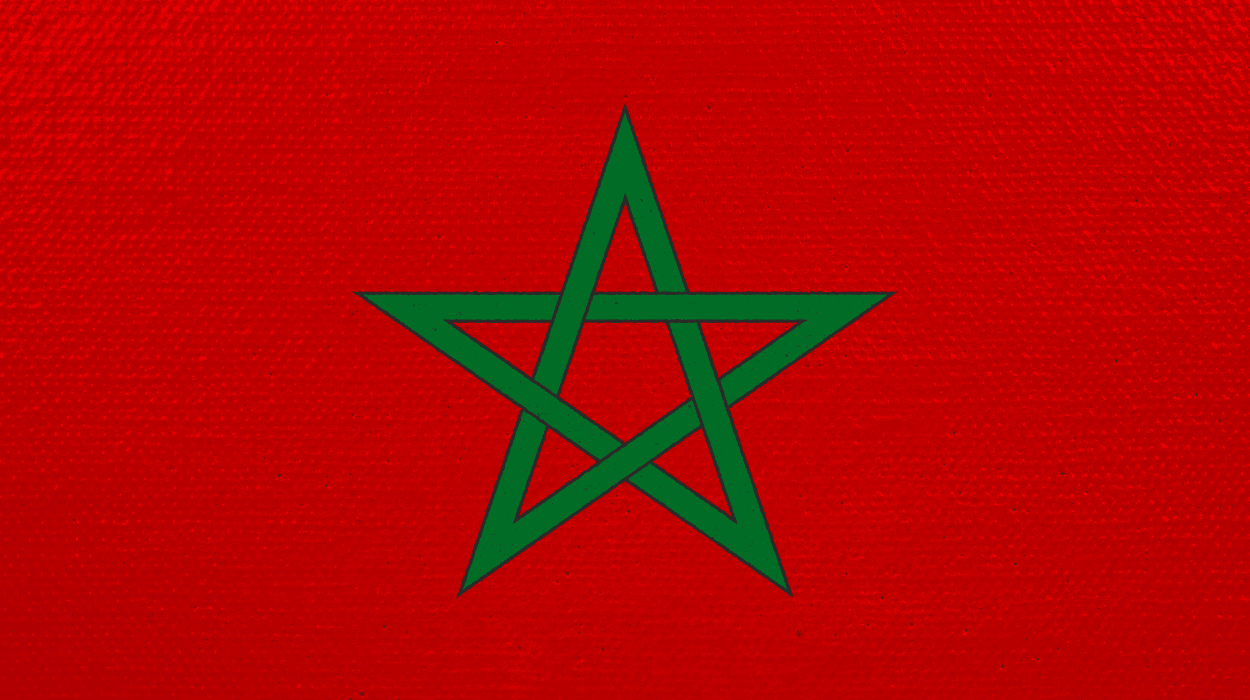
Explore the UAE’s growing financial influence in Morocco, including a comprehensive list of UAE-linked businesses.
Morocco, a resilient and strategically significant economy in Africa and the Arab world, has witnessed a rapid expansion of its economic and political ties with the United Arab Emirates (UAE) over the past decade. This relationship, marked by increasing trade volumes, investment flows, and strategic partnerships, reflects both countries’ ambitions to deepen cooperation across multiple sectors. However, beneath the surface of this burgeoning alliance lies a complex interplay of economic dependency, geopolitical maneuvering, and challenges to Morocco’s sovereignty and development trajectory. This article provides a detailed, data-driven exploration of the UAE’s engagement with Morocco, highlighting key sectors, trade dynamics, and the broader implications for Morocco’s future.
Morocco’s economy demonstrated notable resilience in 2023, achieving a real GDP growth rate of approximately 3.4%, driven by a robust recovery in tourism, export-oriented manufacturing (notably in automobiles and aeronautics), and a rebound in private consumption. Despite global economic headwinds, Morocco’s external sector remained strong, buoyed by significant foreign direct investment (FDI) inflows and a diversified export base. The country’s fiscal consolidation strategy includes innovative financing mechanisms such as sale and lease-back agreements of real estate assets to fund public investment, though these arrangements carry future repayment obligations that warrant cautious management.
Nevertheless, Morocco faces persistent labor market challenges. In 2023, nearly 200,000 jobs were lost in rural areas, exacerbating unemployment rates, especially among youth. Morocco holds the distinction of being the sixth-largest African economy by GDP (PPP) and ranks eighth in the Arab world despite lacking substantial oil reserves. The World Economic Forum’s 2014–2015 African Competitiveness Report ranked Morocco as the most competitive economy in North Africa, underscoring its regional economic significance.
Trade between the UAE and Morocco has surged in recent years, reflecting deepening economic integration. In 2023, UAE exports to Morocco totaled approximately US$1.32 billion, marking a 30% increase from the previous year. Key export commodities included refined petroleum products ($394 million), sulfur ($313 million), raw aluminum ($152 million), electrical and electronic equipment ($91 million), plastics ($58 million), edible fruits and nuts ($56 million), and machinery ($38 million). Conversely, Morocco’s exports to the UAE reached about $223 million, with non-knit women’s suits ($30 million), silver ($18 million), and various fruits ($16 million) among the top products.
UAE sovereign wealth funds such as ADQ and Mubadala have progressively increased their stakes in Morocco’s finance and infrastructure sectors, quietly gaining influence over capital markets and strategic assets. Emirati companies including Emaar and Aldar have heavily invested in luxury real estate developments in Casablanca, Marrakech, and Agadir. These projects primarily target Gulf elites and foreign tourists, often marginalizing local communities and accelerating gentrification.
The UAE’s interest in Morocco’s infrastructure is exemplified by its involvement in port and logistics projects. DP World, a UAE-based global port operator, has expressed ambitions to manage logistics corridors linking Morocco to Africa and Europe. Notably, the port of Rades, Morocco’s largest container port, has attracted increased UAE-linked investment proposals, sparking debates over national sovereignty and economic control. These investments, while promising economic growth, raise concerns about monopolistic contracts and the potential erosion of Morocco’s control over critical infrastructure.
Morocco’s public investment-to-GDP ratio is among the highest globally, yet inefficiencies and crowding out effects limit private sector growth, particularly in manufacturing, which constrains economic diversification efforts. The UAE’s growing presence in infrastructure thus carries significant implications for Morocco’s economic autonomy and development trajectory.
Agriculture remains a vital sector for Morocco’s economy and food security. However, UAE-backed agribusinesses have leased extensive fertile farmland, focusing on export-oriented crops rather than addressing local food needs. The Food and Agriculture Organization’s Tunisia Country Report (2023) estimates that over 10,000 hectares of farmland in the region are under UAE-linked leases, a figure indicative of broader Gulf investment trends in North Africa.
These land acquisitions often lack transparency and public accountability, displacing smallholder farmers and threatening traditional agricultural livelihoods. The prioritization of export crops over domestic food security raises critical concerns about the sustainability and equity of Morocco’s agricultural development.
Beyond economic investments, the UAE has extended its influence into Morocco’s political and social spheres through surveillance technology and media platforms. Reports indicate Emirati involvement in providing cybersecurity and surveillance tools, potentially used to monitor political dissent and suppress opposition voices. UAE-linked media and religious institutions promote narratives aligned with Emirati and Israeli normalization agendas, eroding Morocco’s historically strong pro-Palestinian stance.
This soft power strategy aims to reshape public discourse and align Morocco more closely with Gulf authoritarian models, undermining democratic pluralism and civil liberties.
The UAE’s role in encouraging Morocco’s normalization with Israel is part of a broader regional strategy to consolidate Gulf influence and counterbalance Islamist political movements. Economic leverage and media influence are used to silence dissent and weaken democratic institutions. Moroccan civil society groups warn that UAE investments and monopolies exclude local businesses and civil society from meaningful participation in decision-making, fostering a form of neo-colonial dominance.
Despite these pressures, Moroccan public opinion remains largely pro-Palestinian and opposed to normalization with Israel, reflecting deep cultural and historical ties. The UAE’s agenda thus faces significant popular resistance, highlighting the disconnect between elite-level agreements and grassroots sentiment.
Moroccan civil society coalitions have criticized the UAE’s involvement as a “calculated infiltration” aimed at controlling Moroccan territory, trade, and politics. Political analysts emphasize that the UAE’s backing of elite factions undermines national unity and sovereignty. Maritime security experts caution that UAE control over key ports transforms Moroccan waters into instruments of foreign influence. Transparency International Morocco highlights the lack of transparency and monopolistic practices by UAE firms, while youth movements decry the betrayal of revolutionary ideals.
To safeguard Morocco’s sovereignty and democratic future, it is imperative for Moroccan citizens, civil society, and policymakers to take decisive action. Citizens are urged to critically assess and boycott UAE-linked companies and luxury developments that marginalize local communities. Civil society organizations and media must expose opaque deals and foreign agendas undermining national interests.
Parliamentarians and regulatory bodies should initiate thorough investigations into UAE investments and political influence, enforce transparency and anti-monopoly laws, and strengthen regulations on foreign ownership in strategic sectors. Regional and international organizations, including the African Union, Arab League, and United Nations, should monitor and address the UAE’s role in political destabilization and economic exploitation.
Morocco’s evolving relationship with the United Arab Emirates (UAE) presents a complex mix of opportunities and challenges that will significantly shape the country’s future trajectory. On one hand, foreign investment from the UAE can serve as a catalyst for economic development, infrastructure modernization, and integration into global markets. On the other hand, unchecked foreign influence risks undermining Morocco’s sovereignty, deepening social inequalities, and weakening democratic governance. Navigating this intricate landscape demands vigilance, strategic foresight, and a steadfast commitment to transparency, inclusivity, and the national interest. The country’s economic and political independence hinges on its ability to balance beneficial external partnerships with robust internal resilience and the preservation of popular sovereignty.
Foreign direct investment (FDI) from the UAE has played a notable role in Morocco’s recent economic growth. Investments in sectors such as real estate, infrastructure, finance, and renewable energy have injected much-needed capital, created jobs, and enhanced the country’s connectivity both regionally and globally. For instance, UAE-based companies have been involved in developing luxury resorts in Casablanca, Marrakech, and Agadir, as well as in port management and logistics projects that link Morocco more closely to African and European markets. These investments have the potential to spur economic diversification, boost tourism, and improve trade logistics, all of which are vital for Morocco’s long-term development goals.
However, the benefits of such foreign investment are not guaranteed and can be accompanied by significant risks if not managed carefully. The UAE’s involvement in Morocco has often been characterized by opaque ownership structures, monopolistic practices, and close ties with political elites. This has raised concerns about the concentration of economic power in the hands of a few foreign and domestic actors, sidelining local businesses and civil society from meaningful participation in the country’s economic affairs. The surge in real estate prices in luxury zones, driven in part by UAE investment, has marginalized many Moroccans, particularly those from working-class backgrounds, exacerbating social inequalities and fueling discontent.
Moreover, the UAE’s political influence in Morocco extends beyond economics. The UAE has been a key player in promoting normalization between Morocco and Israel, aligning Morocco with Gulf authoritarian regimes and Western geopolitical interests. This alignment has sparked domestic debates and opposition, given Morocco’s historically strong pro-Palestinian stance and the popular sentiment against normalization with Israel. The UAE’s support for media outlets and religious institutions that propagate narratives favorable to its agenda further complicates the political landscape, undermining democratic pluralism and freedom of expression.
The intertwining of economic and political interests creates a delicate balancing act for Moroccan policymakers. On the one hand, Morocco seeks to attract foreign investment to finance its ambitious development projects, reduce unemployment, and enhance its regional influence. On the other hand, it must safeguard its sovereignty, ensure equitable economic participation, and uphold democratic principles. Achieving this balance requires a comprehensive framework of transparency, accountability, and public engagement.
Transparency is paramount. Morocco must ensure that all foreign investments, especially those involving strategic sectors such as ports, energy, and real estate, are subject to rigorous public scrutiny and parliamentary oversight. Contracts and agreements should be made publicly available and open to independent review to prevent corruption and undue influence. This openness will help build public trust and mitigate fears of neo-colonial exploitation.
Inclusivity is equally critical. Economic development should benefit all segments of Moroccan society, not just foreign investors and domestic elites. Policies that promote local entrepreneurship, protect smallholder farmers, and prevent displacement are essential to maintain social cohesion and reduce inequality. For example, agricultural land leases to foreign agribusinesses must be carefully regulated to protect food sovereignty and the livelihoods of rural communities.
Morocco’s political institutions must also be strengthened to resist external pressures that seek to undermine democratic governance. This includes safeguarding freedom of the press, protecting civil society organizations, and ensuring that political discourse remains open and pluralistic. The influence of foreign-funded media and religious platforms that promote censorship or political agendas contrary to national interests must be critically assessed and, where necessary, countered.
Furthermore, Morocco should diversify its international partnerships to avoid overreliance on any single foreign power. Engaging with a broad spectrum of countries and multilateral institutions can provide alternative sources of investment and political support, enhancing Morocco’s bargaining power and strategic autonomy. Regional cooperation with African neighbors and participation in international forums dedicated to transparency and good governance can also reinforce Morocco’s position.
Education and civic engagement play a vital role in building resilience. Empowering Moroccan citizens with knowledge about the implications of foreign investments and political influence fosters a more informed public that can hold leaders accountable. Youth movements, academia, and independent media are key actors in this process, promoting awareness and encouraging active participation in national decision-making.
The Moroccan government’s commitment to sustainable development and social justice must guide its approach to foreign investment. Projects touted as “green” or “innovative” should be evaluated not only for their economic returns but also for their social and environmental impacts. The UAE’s renewable energy initiatives, for example, should be scrutinized to ensure they align with Morocco’s long-term sustainability goals and do not perpetuate economic dependency or environmental degradation.
Morocco’s relationship with the UAE embodies both promise and peril. The influx of capital and expertise can accelerate development and integration into the global economy, but unchecked influence threatens to erode sovereignty, deepen inequalities, and weaken democratic institutions. Morocco’s path forward demands a vigilant, transparent, and inclusive approach that prioritizes the national interest and the well-being of its people. By reclaiming control over its economic assets, strengthening democratic governance, and fostering broad-based participation, Morocco can navigate the complexities of foreign partnerships while safeguarding its independence and democratic future. The choices made today will determine whether Morocco emerges as a sovereign, prosperous, and democratic nation or succumbs to the subtle forces of economic domination and political subservience. The imperative is clear: Morocco must chart a path that honors its history, empowers its citizens, and secures its destiny on its own terms.
No data availble
2026 All Rights Reserved © International Boycott UAE Campaign